New To IVC? Enjoy One $23 Intro Exam!*

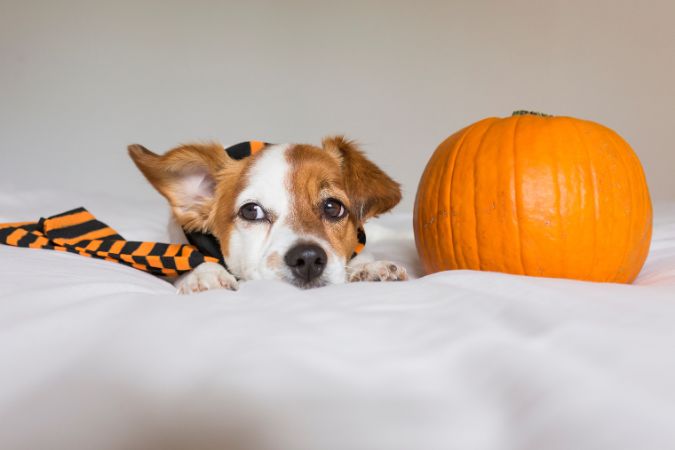
Halloween brings excitement, costumes, and — of course — mountains of sweets! Whilehumans look forward to trick-or-treating fun, pets often get curious about those colorful candies and chocolate wrappers lying around. But here’s the catch — what may seem like an innocent treat could lead to serious health problems for your furry friend.
That’s why portion control during Halloween isn’t just about avoiding sugar rushes for kids; it’s also about protecting your pets from potential harm. Let’s dive into why controlling portions matters, how to manage pet-friendly treats, and what makes the difference between a fun Halloween night and an emergency vet visit.
The Sweet Temptation: Why Treats Become a Trick
Every Halloween, households overflow with sweets — from chocolates to gummy worms to candy corn. Pets, with their keen sense of smell, are naturally drawn to these sugary scents. Unfortunately, most Halloween treats are unsafe for animals.
Chocolate, for example, contains theobromine, a compound toxic to dogs and cats. Even small amounts can lead to vomiting, restlessness, tremors, or worse. Likewise, sugar-free candies may contain xylitol, an artificial sweetener that can cause rapid insulin release and dangerously low blood sugar in dogs.
So, while you may feel tempted to share a bite, the first rule of safe treating is clear: Keep human treats for humans and save your pet’s indulgence for something specifically made for them.
How Too Many Treats Haunt Your Pet’s Health
Even if you stick to pet-safe snacks, giving too many can still cause problems. Portion control matters because calories add up quickly, especially in smaller pets.
Overfeeding — even with healthy treats — may lead to:
- Obesity: Excess calories accumulate as fat.
- Digestive upset: Too many treats can cause diarrhea or vomiting.
- Nutritional imbalance: Too many snacks may reduce your pet’s appetite for balanced meals.
- Behavioral issues: Constant snacking encourages begging and overeating habits.
Think of treats like dessert — enjoyable, but not essential in large amounts. Pets thrive on routine, so moderation helps maintain both physical and behavioral balance.
Trick or Treat? The Golden Rule of Moderation
A simple way to practice portion control is to follow the 10% rule — treats should make up no more than 10% of your pet’s daily calorie intake. The rest should come from balanced, high-quality pet food.
Here’s how to make it work:
- Check the calorie content on the treat packaging.
- Measure portions instead of guessing.
- Break larger treats into smaller bites to extend enjoyment without overfeeding.
- Use treats for training or bonding, not constant snacking.
This approach keeps your pet satisfied, healthy, and far less likely to experience post-Halloween belly troubles.
Creative, Safe Treat Alternatives for Pets
If you still want your pet to join in the Halloween fun, there are safe and creative alternatives to traditional sweets.
Try these:
- Homemade pumpkin bites: Mix canned pumpkin with a bit of oat flour and bake small, chewy treats.
- Frozen yogurt cubes: Use plain, unsweetened yogurt and pet-safe fruits like blueberries or bananas.
- Dehydrated snacks: Sweet potato or apple slices make excellent low-calorie chews.
- Crunchy carrot sticks: A natural favorite for many dogs.
These options let your pet celebrate with you — without the sugar, fat, or artificial ingredients found in human candy.
Keep Halloween Safe: Smart Storage Tips
Halloween often means candy bowls left on tables, treat bags on the floor, and wrappers everywhere. To protect your furry companions:
- Store all candy in sealed containers out of reach.
- Remind children not to share candy with pets.
- Discard wrappers immediately — they can cause choking or digestive blockages.
- Keep emergency vet contact numbers handy, just in case your pet gets into something they shouldn’t.
A little precaution goes a long way in preventing a scary Halloween emergency.
The Hidden Danger: Sugar, Salt, and Artificial Additives
It’s not only chocolate or xylitol you should worry about. Many candies and baked goods contain high levels of sugar, sodium, and preservatives that can stress your pet’s liver and kidneys.
For example:
- High sugar intake can contribute to obesity and diabetes.
- Salty snacks can cause dehydration and high blood pressure.
- Artificial coloring and flavoring can trigger allergies or upset stomachs.
By maintaining portion control and sticking to natural, pet-friendly options, you’re actively protecting your pet’s long-term health.
Teach Kids the “Treat Responsibility” Habit
Children love sharing their joy with their furry siblings, especially during holidays. Halloween is the perfect time to teach them “treat responsibility.”
Explain why pets can’t eat the same candy humans do. Create fun moments by letting kids give approved pet treats — under your supervision — to encourage healthy habits early on. This not only keeps pets safe but also strengthens empathy and responsibility in young minds.
When to Call the Vet
Even with the best intentions, accidents can happen. If your pet consumes Halloween candy, call your vet immediately — don’t wait for symptoms to appear.
Common signs of toxicity include:
- Vomiting or diarrhea
- Restlessness or pacing
- Seizures or tremors
- Rapid breathing or elevated heart rate
Quick action can save your pet’s life. For compassionate care and professional guidance, you can always rely on trusted clinics like Independence Veterinary Clinic to ensure your pet gets the treatment they need.
Halloween can be magical for everyone — including pets — if celebrated responsibly. Portion control helps prevent health scares, reduces waste, and keeps your furry friend feeling their best.
Remember:
- Keep human treats out of reach.
- Choose pet-safe snacks.
- Control portions to maintain a healthy diet.
With a few mindful choices, you can make this Halloween both safe and memorable for the whole family — no sugar rushes, no scary surprises, just happy tails all around.
