New To IVC? Enjoy One $23 Intro Exam!*

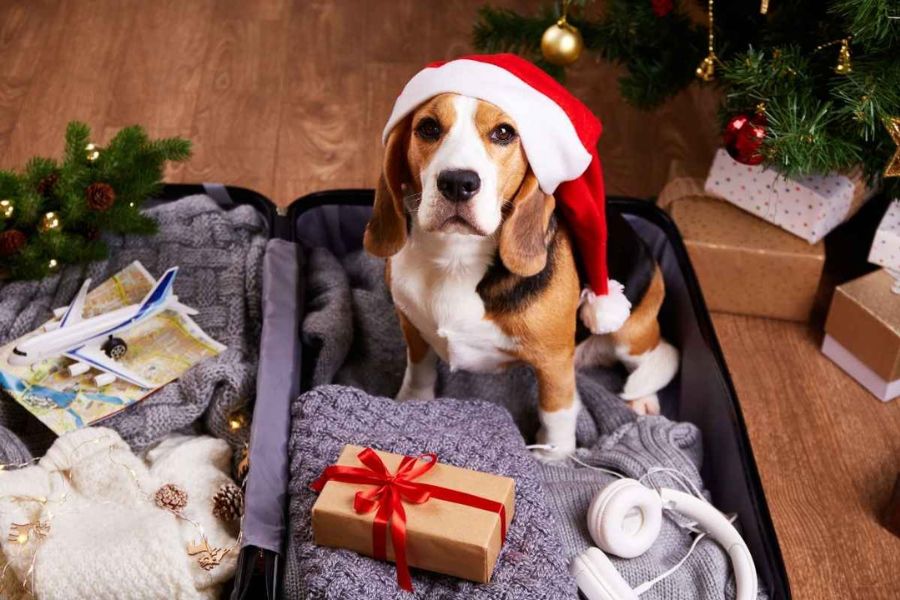
The Christmas season is often associated with joy, family gatherings, and long-distance travel. However, when pets are included in holiday plans, extra preparation is required. To ensure a smooth experience, careful planning should be done well in advance. After all, routines are disrupted, unfamiliar environments are introduced, and travel-related stress can be triggered in pets.
Therefore, thoughtful steps should be taken so that both comfort and pet safety are maintained throughout the journey.
Plan Travel Arrangements Early
Before travel dates arrive, transportation options should be reviewed carefully. Whether a car, train, or flight is chosen, pet policies must be checked in advance. Airlines, for example, often have strict requirements for carriers, vaccinations, and documentation. Similarly, hotels and rental properties should be confirmed as pet-friendly.
Moreover, travel times should be selected thoughtfully. Long delays and crowded schedules are common during Christmas. As a result, off-peak hours should be preferred whenever possible, as calmer conditions are more suitable for animals and help reduce anxiety.
Schedule a Pre-Travel Veterinary Visit
A veterinary check-up should be scheduled before Christmas travel begins. During this visit, vaccinations can be updated, health certificates can be issued, and general wellness can be assessed. Additionally, travel-related concerns such as motion sickness or anxiety may be discussed.
Pack a Dedicated Pet Travel Kit
Just as personal luggage is prepared, a separate travel kit should be created for pets. Essential items such as food, treats, medications, bowls, leashes, and waste bags should be included. Familiar objects like blankets or toys are also recommended, as comfort is provided through familiar scents.
In addition, copies of medical records and identification details should be packed. Microchip information should be updated, and collars with ID tags should be secured. Consequently, preparedness is increased, and pet safety is better protected if unexpected situations arise.
Ensure Safe and Comfortable Transportation
During car travel, pets should be secured using approved carriers or seatbelt harnesses. Allowing pets to roam freely inside vehicles should be avoided, as sudden stops may result in injuries. Moreover, frequent breaks should be scheduled for hydration, bathroom needs, and light movement.
When air travel is involved, airline guidelines must be followed strictly. Carriers should be well-ventilated and appropriately sized. Additionally, food should be given several hours before departure to minimize discomfort. Through these practices, stress is reduced, and pet safety is consistently supported.
Maintain Routine Whenever Possible
Although holiday travel often disrupts daily schedules, routines should be maintained as much as possible. Feeding times, walks, and bedtime habits should remain consistent. By doing so, a sense of normalcy is preserved, which helps pets feel secure.
Likewise, gradual adjustments should be introduced before travel. Short practice trips may be taken to help pets become accustomed to carriers or car rides. As a result, anxiety is minimized, and the overall experience becomes smoother for everyone involved.
Prepare for Weather and Seasonal Hazards
Christmas travel frequently involves cold weather, which may present unique challenges. Pets should be protected from low temperatures with suitable clothing, especially smaller or short-haired breeds. Paw protection may also be considered when icy or salted roads are encountered.
Additionally, holiday decorations and seasonal foods should be kept out of reach during stays with family or in rental homes. Many festive items can be harmful if ingested. Therefore, awareness should be maintained at all times to promote pet safety in unfamiliar environments.
Manage Stress and Anxiety During Travel
Travel-related anxiety is commonly experienced by pets during Christmas. To manage this, calming aids such as pheromone sprays or anxiety wraps may be used. However, these options should be discussed with a veterinarian beforehand.
Furthermore, calm behavior should be modeled by pet owners. Since pets often respond to human emotions, a relaxed environment should be encouraged. Gentle reassurance and patience should be provided, ensuring that emotional well-being is supported alongside physical comfort.
Plan for Emergencies
Despite careful planning, emergencies can still occur. Therefore, emergency veterinary clinics along the travel route and destination should be identified in advance. Important phone numbers should be saved and easily accessible.
Moreover, pet insurance details or emergency funds should be prepared. By taking these precautions, unexpected situations can be handled promptly, and pet safety can be maintained even during stressful moments.
Consider Alternatives When Necessary
In some cases, travel may not be the best option for pets. If this route is chosen, facilities should be visited beforehand, and staff qualifications should be reviewed carefully.
Frequently Asked Questions
1. Is Christmas travel stressful for pets?
A: Yes, Christmas travel can be stressful due to changes in routine, crowded environments, and unfamiliar surroundings. However, stress can be reduced through proper planning and gradual preparation.
2. How can pet safety be ensured during long car journeys?
A: Pets should be secured using carriers or harnesses, regular breaks should be scheduled, and hydration should be maintained to ensure comfort and safety.
3. Should pets be sedated for holiday travel?
A: Sedation is generally not recommended unless advised by a veterinarian. Alternative calming methods are often preferred.
4. What documents are needed when traveling with pets?
A: Vaccination records, health certificates, and identification details are commonly required, especially for air travel or interstate trips.
5. Is it better to travel with pets or leave them with a sitter during Christmas?
A: This depends on the pet’s temperament and health. For some pets, staying in a familiar environment may be less stressful than traveling.
