New To IVC? Enjoy One $23 Intro Exam!*

This condition affects mobility, comfort, and daily routines. This guide explains what the ligament does, why injuries happen, early warning signs, diagnosis basics, treatment paths, recovery expectations, and prevention tips. You will learn how to spot subtle changes at home, what care plans look like, and how to support healing with clear steps and realistic timelines.
Pet parents gain practical advice, cost awareness, and answers to common questions, all in one place. This overview helps you act early and make confident choices for your dog in Charlotte, NC. Clear guidance supports calm, confident care daily.
What The Cruciate Ligament Does
Inside each knee sits a strong band that keeps the thigh bone aligned with the shin. It controls forward movement and twisting. When this support weakens or tears, the joint loses stability. Pain follows, swelling develops, and cartilage faces extra wear. Many dogs show sudden lameness after play, while others worsen slowly.
Why Ruptures Happen
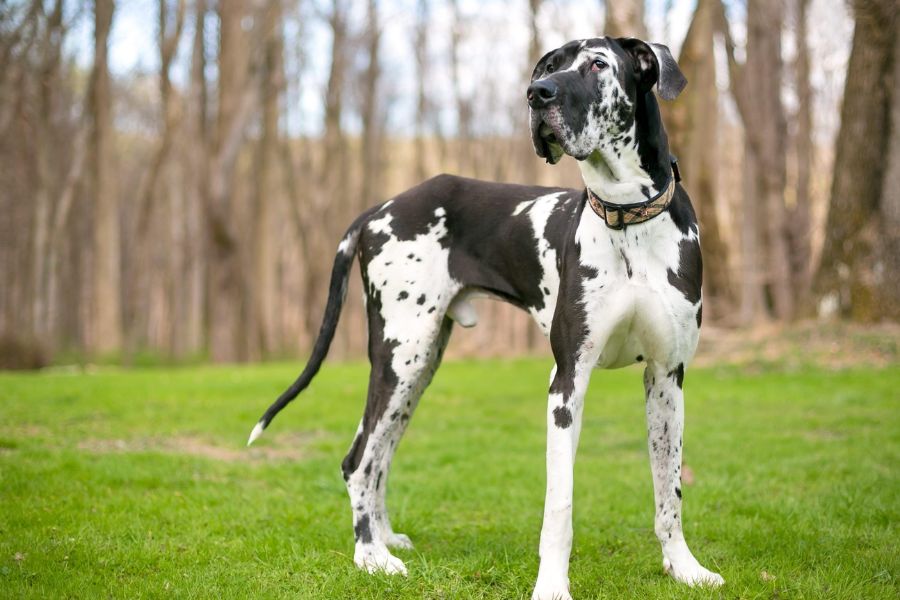
Some dogs experience a single awkward jump. Many develop tiny fiber damage over time that ends in a full tear. Body weight, genetics, leg shape, age, and activity level influence risk. Large breeds, active dogs, and pets carrying extra pounds face higher odds. Slippery floors and uneven yards raise strain on knees.
Key Signs To Watch For
1. Sudden or gradual limping
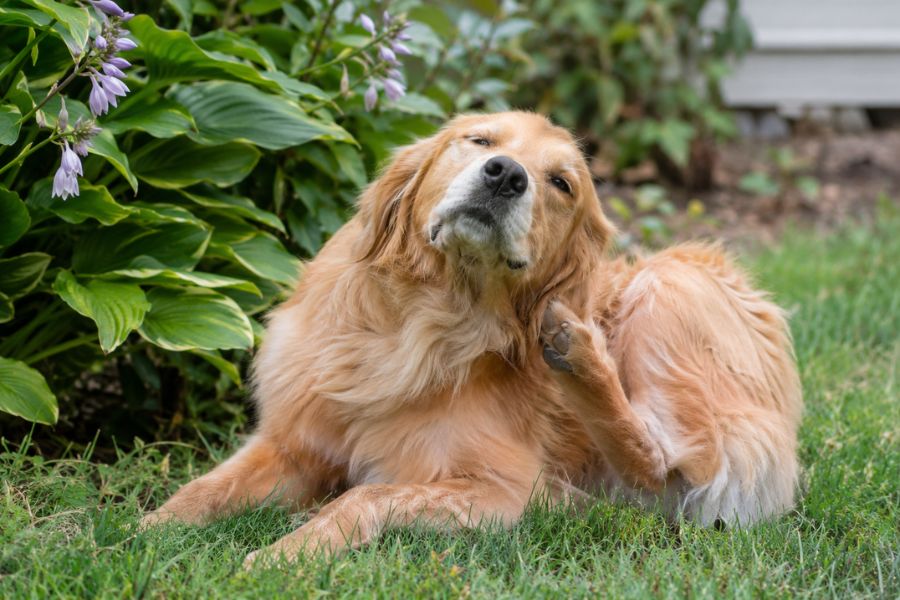
A classic clue involves favoring one rear leg. Your dog may hold the foot up, touch the toes lightly, or limp after rest. Short walks feel harder. Stairs become a challenge.
2. Swelling around the knee
Warmth and puffiness appear near the joint. Some dogs resist touch. Others lick the area. Compare both back legs for size differences.
3. Difficulty rising or jumping
Standing from naps takes effort. Couch jumps stop. Play sessions end early. You may hear a soft click in the knee during movement.
4. Muscle loss
Over weeks, the thigh on the injured side shrinks. This happens because the leg carries less weight. Muscle loss changes posture and gait.
5. Behavior changes
Irritability, reduced appetite, and less interest in games appear. Pain alters mood. Restlessness at night also occurs.
How The Condition Gets Diagnosed
A hands-on exam checks joint movement and pain response. X-rays help rule out fractures and show swelling. Some cases need advanced imaging. Clear findings guide the plan. Early checks matter because delayed care speeds arthritis.
Treatment Paths
1. Surgical repair
Surgery restores stability and supports long-term comfort. Several techniques exist. Your care team chooses based on size, age, lifestyle, and budget. Surgery offers the best chance for active dogs to regain strength.
2. Non-surgical management
For small or senior dogs, weight control, activity limits, pain relief, and physical therapy can help. Braces add support. Results vary. Many dogs improve, but risk ongoing joint wear.
3. Rehabilitation
Guided exercises rebuild muscle and balance. Short leash walks progress to strengthening moves.
Midway through recovery discussions, owners often ask how long healing takes after Cruciate Ligament Rupture in dogs. Expect several months for strong function, with steady gains along the way.
Recovery Expectations
Week one focuses on rest and comfort. Weeks two through six add gentle walks and range-of-motion work. Months two through four rebuild muscle. By six months, many dogs return to normal routines. Each pet follows a unique pace.
Preventing Future Injury
Maintain a lean body condition. Build strength with controlled walks. Use rugs on slick floors. Trim nails for traction.
Cost And Planning
Expenses depend on size, treatment choice, and rehab needs. Ask for written estimates. Consider pet insurance. Budget for follow-up visits, medications, and therapy sessions.
Frequently Asked Questions
1. How do I know if my dog tore a ligament or just strained a muscle?
A strain often improves within days. A tear brings persistent limping, knee swelling, and trouble rising. If signs last beyond forty eight hours or worsen, schedule an exam for clear answers and a tailored plan.
2. Can my dog walk with a torn cruciate ligament?
Many dogs still walk, yet they shift weight and limit motion. Walking without stability increases cartilage wear. Short leash walks for bathroom breaks help, while running and jumping should stop until a care plan starts.
3. Is surgery always required?
Not always. Small, calm dogs sometimes manage with rehab and weight loss. Active or larger dogs gain the most from surgery because it restores joint stability and lowers arthritis risk over time.
4. How long does recovery take after surgery?
Most dogs show comfort within weeks. Strength returns over three to six months with guided rehab. Full activity waits until muscle rebuilds and movement looks smooth on both rear legs.
5. What home care helps with healing?
Follow leash rules, give medicines as directed, use cold packs early, keep floors non-slip, and perform daily exercises with gentle stretching and calm praise. Consistency shapes outcomes more than any single session.
6. Can the other knee get injured too?
Yes. Up to half of dogs face a second tear within a year or two. Balanced rehab, weight control, strength work, and safe play spaces lower risk, but cannot remove it.
7. Does age affect results?
Older dogs heal well when pain stays controlled, and activity stays guided. Younger dogs bounce back faster. Every dog benefits from steady rehab, safe surfaces, owner commitment, and patient encouragement.
Conclusion
Clear signs, timely checks, and a thoughtful plan shape success. Watch for limping, swelling, and changes in daily habits. Choose a treatment that fits your dog’s size and lifestyle. Commit to rehab, weight control, and safe movement at home. Progress arrives through patience and routine. With the right support, many dogs regain confidence, comfort, and playfulness every single day. If questions arise, seek guidance early. Strong outcomes follow informed decisions and consistent care for Cruciate Ligament Rupture in dogs for families. If you are in Charlotte, NC, and looking for veterinary surgery for your dog, book an appointment with Independence Veterinary Clinic.