New To IVC? Enjoy One $23 Intro Exam!*

Why Pet Dental Health Is Essential for Your Pet’s Overall Wellness
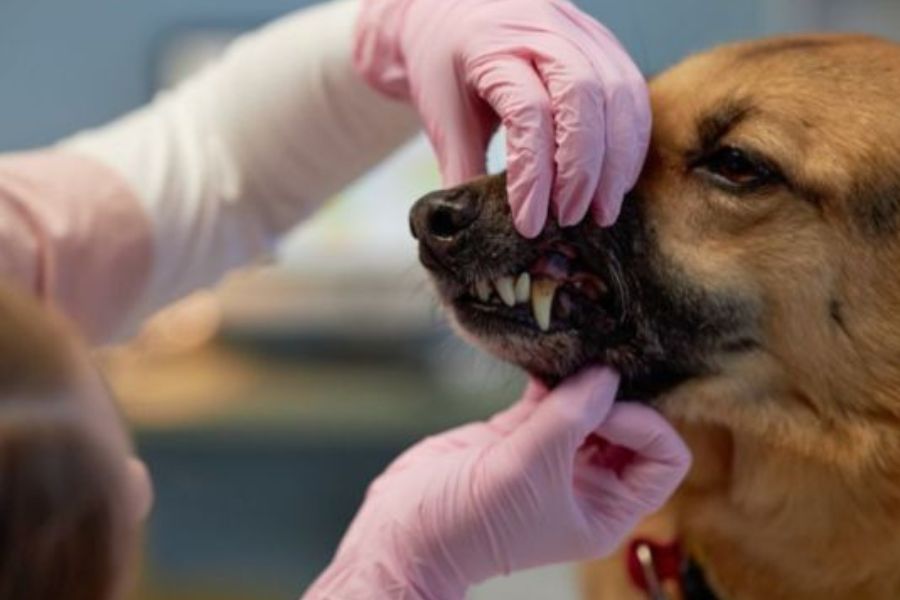
Pets bring joy, comfort, and daily companionship to our homes. Yet many owners overlook one simple factor that shapes lifelong wellness: oral care. This guide explains how healthy teeth and gums influence energy, digestion, behavior, and comfort. It also shows practical habits every family can follow at home. Regular attention to your pet’s dental health helps prevent pain, infection, and costly treatments later.
Readers will learn warning signs, home care tips, food choices, and when to seek professional help. These insights support happier pets and confident owners across busy neighborhoods of Charlotte, where active pets share parks, sidewalks, and family routines.
Why Oral Care Matters Beyond the Mouth
Problems in the mouth rarely stay there. Bacteria from plaque can move through the bloodstream and affect the heart, liver, and kidneys. Sore gums make chewing difficult. Pets may drop food, avoid toys, or become quiet during mealtime. Bad breath often signals deeper trouble rather than simple odor.
Small daily routines, such as brushing, using dental chews, providing fresh water, and serving balanced meals, can help reduce buildup. Owners who watch closely notice red gums, drooling, pawing at the mouth, or reduced appetite. Early action keeps minor irritation from turning into an infection. Healthy mouths support play, rest, appetite, and bright moods every single day.
Signs Your Pet May Have Dental Trouble
Many pets hide discomfort. Owners should watch for yellow buildup along teeth, swollen gums, sudden bad breath, or slow chewing. Some animals drop kibble while eating or rub their face against furniture.
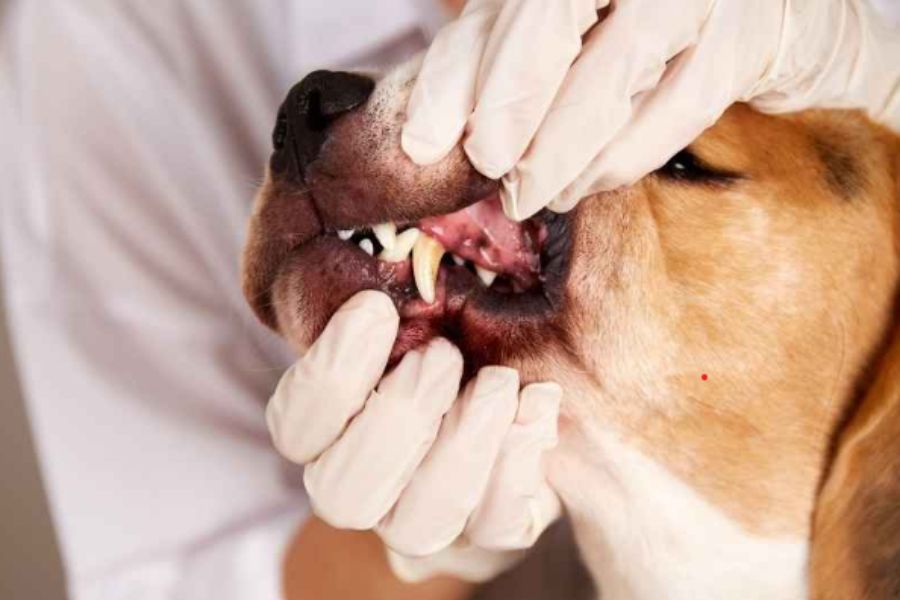
Bleeding during chew time, reduced interest in toys, or weight loss may also appear. Some pets prefer softer foods when chewing becomes painful. Gentle checks during cuddle time reveal small changes. Lift the lip and look along the gum line. Healthy tissue looks pink and smooth. Thick tartar, cracks, or loose teeth deserve prompt attention.
Daily Habits for a Cleaner Smile
Consistency shapes oral comfort. Start with a soft brush made for pets. Use flavored paste designed for animals. Slow introductions reduce stress and build trust. Lift the lip, brush outer surfaces, and offer praise during each step.
Dental chews, textured toys, and water additives can support cleaner teeth. Fresh water should always be available. Balanced meals support gum strength and tissue health. Some pet-safe crunchy vegetables may also help clean surfaces during chewing.
Short routine sessions work best. Families who schedule weekly mouth checks often notice problems early. Small daily efforts protect comfort, appetite, and the bright expressions pets show during walks or playtime.
Professional Dental Care and Checkups
Routine exams make it possible to perform thorough cleanings and detailed oral checks. During these visits, clinics remove stubborn tartar buildup, polish the teeth, and look closely for any signs of hidden damage. Advanced imaging may also be used to detect problems developing beneath the gum line.
Your veterinary team will also provide helpful guidance on proper brushing techniques, suitable diets, and safe chew options to support your pet’s oral hygiene at home. If you’re located in Charlotte and looking for trusted veterinary care, then schedule an appointment with us to stay ahead of potential dental issues and protect your pet’s comfort and well-being.
Many pet owners value convenient dental care reminders that fit into their busy routines. Consistent care helps reduce the risk of tooth loss, inflammation, and ongoing pain. Healthy teeth allow pets to enjoy their meals, play with their favorite toys, and stay active and happy every day.
Choosing Foods That Support Oral Health
Food texture plays a role in plaque control. Crunchy kibble designed for dental support may reduce buildup during chewing. Some treats carry safety seals that show tested effectiveness.
Ask your clinic which options match your pet’s age, size, and medical history. Very hard bones should be avoided because they may crack teeth. Fresh water should be available at all times.
Balanced meals rich in nutrients strengthen gum tissue and support fresh breath. Owners benefit from reading labels, measuring portions, and storing food properly. Consistent nutrition supports steady energy, playful moods, and comfortable chewing during daily meals at home.
Learn More About Our Pet Care Services
Healthy smiles are one part of a complete wellness plan. Vaccinations, exams, nutrition advice, parasite prevention, and behavior guidance all support healthier lives for companion animals.
Our website offers detailed information about services, helpful educational articles, appointment scheduling, and insights about the caring team behind everyday support. Pet owners can explore treatment pages, read practical tips, and prepare for upcoming visits.
Taking time to browse the website helps families understand how thoughtful care supports active pets who enjoy walks, playtime, and relaxed evenings at home.
Conclusion
Healthy teeth support comfortable eating, playful energy, and a happier life for pets. Regular home care combined with professional guidance protects long-term wellness. Families throughout Matthews, Indian Trail, Mint Hill, Monroe, Weddington, and Waxhaw trust compassionate support for their companions.
We are conveniently located in Charlotte, NC, and welcome you to our facility at 2328 Crownpoint Executive Dr, Suite B, Charlotte, NC 28227—where compassionate care and community come together for your pet’s well-being.
Frequently Asked Questions(FAQs):
1. How often should my pet’s teeth be brushed?
A: Daily brushing provides the best protection. Even brushing three to four times weekly makes a noticeable difference. Regular brushing removes plaque before it hardens into tartar, helping prevent gum irritation, bad breath, and long-term dental disease.
2. What are the first signs of dental disease in pets?
A: Early signs include bad breath, yellow tartar buildup, swollen gums, or dropping food during meals. Some pets chew slowly or avoid toys. Changes in appetite or behavior often signal discomfort that needs attention.
3. Are dental chews effective for pets?
A: Dental chews can help reduce plaque when used regularly. They work best as part of a routine that includes brushing, balanced nutrition, and professional cleanings. Always choose chews recommended for your pet’s size and chewing habits.
4. Can poor dental health affect my pet’s overall body?
A: Yes. Bacteria from gum infections can travel through the bloodstream and affect organs such as the heart and kidneys. Healthy gums help protect the body from these complications and support overall wellness.
5. When should my pet have a professional dental cleaning?
A: Most pets benefit from yearly dental evaluations. Some animals may need cleanings more often, depending on breed, diet, or existing dental concerns. Regular exams help detect problems early and maintain comfort.
6. How can I make tooth brushing easier for my pet?
A: Start slowly with short sessions. Use pet-friendly toothpaste with appealing flavors. Offer praise or small rewards afterward. Consistency and patience help pets accept brushing as a normal part of their routine.
Related Articles
By Independence Veterinary Clinic
