New To IVC? Enjoy One $23 Intro Exam!*

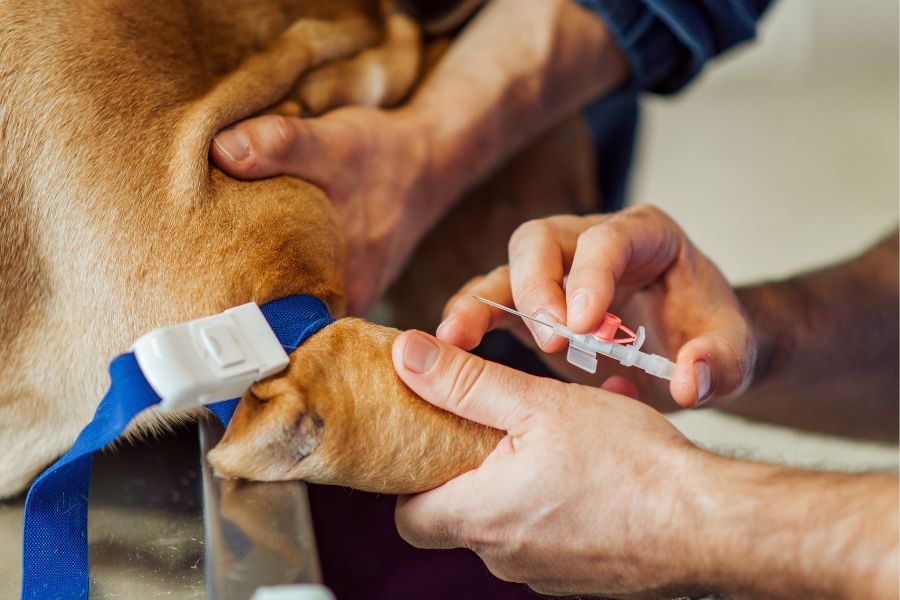
Dog DNA testing gives pet owners a closer look at their dog’s genetic background. These tests can reveal breed ancestry, inherited health risks, physical traits, and behavior patterns. Many owners use results to make smarter choices about nutrition, exercise, grooming, and preventive care.
DNA reports cannot predict every future condition, though they can highlight possible concerns linked to specific genes. Understanding these results helps owners support their dogs with greater confidence throughout different life stages.
How Dog DNA Testing Works
Most dog DNA testing kits use a simple cheek swab collected at home. The sample is mailed to a laboratory where specialists compare the dog’s genetic markers with thousands of breed profiles. The completed report usually includes breed percentages, health screening details, and trait analysis.
Many testing companies also explain genes connected to appearance or inherited conditions. Accuracy has improved significantly because testing databases continue expanding every year.
What Breed Makeup Can Reveal
Breed identification remains one of the most popular reasons owners choose a DNA test. Mixed-breed dogs often display physical traits from several breeds, making identification difficult without genetic analysis. A detailed report may uncover surprising breed combinations that explain body size, coat texture, energy levels, or personality traits.
Physical Traits and Appearance
Breed ancestry often explains why dogs have certain markings, fur types, ear shapes, or body structures. Some breeds carry genes linked to heavier shedding, shorter snouts, or larger frames. Understanding these details can help owners prepare for grooming and exercise needs.
Behavior Patterns
Breed background may also influence behavioral tendencies. Herding breeds may show chasing instincts, while sporting breeds often enjoy active outdoor play.
Health Risks Revealed Through DNA Testing
Many owners explore DNA testing because they want insight into possible health concerns. Genetic screening can identify markers connected to inherited conditions before visible symptoms appear. Early awareness allows owners to monitor changes and discuss preventive care options with professionals.
Some tests screen for conditions affecting joints, vision, heart function, or neurological health. Results may help owners adjust diet plans, activity levels, or wellness routines. A DNA report cannot guarantee that a dog will develop a condition. It only identifies increased genetic risk.
Why Early Detection Matters
Understanding potential health risks gives owners more time to plan healthy routines and regular screenings. Dogs with a higher chance of joint problems may benefit from controlled exercise and weight management earlier in life.
If results reveal possible inherited concerns, regular wellness visits with a veterinarian near you can support better monitoring and long-term care decisions. Consistent observation often helps identify changes before they become serious health problems.
Limits of Dog DNA Testing
Dog DNA testing offers valuable insight, though it is not perfect. Different companies use different databases and testing methods. Results may vary slightly between brands, especially for rare breeds or distant ancestry.
Environmental factors also affect a dog’s health and behavior. Nutrition, exercise, training, stress, and daily habits all influence overall wellness.
Owners should avoid making major medical decisions based entirely on a DNA report. Professional guidance and regular health evaluations remain important for understanding a dog’s complete condition.
Choosing a Reliable Dog DNA Test
Not every DNA testing kit provides the same level of detail or accuracy. Reading reviews, comparing breed databases, and checking scientific transparency can help owners choose a trusted company. Some tests focus mainly on ancestry, while others provide expanded health screening panels.
A reliable report should explain findings clearly without creating unnecessary fear.
Conclusion
Dog DNA testing provides insight into breed ancestry, inherited traits, and possible health concerns. Genetics cannot predict every outcome or behavior pattern, though testing can support more informed pet care decisions. If you are located in Charlotte or nearby areas such as Matthews, Indian Trail, Monroe, or Waxhaw and searching for a trusted pet care team, feel free to contact us for guidance about your dog’s long-term wellness needs for happier and healthier daily companionship experiences.
Frequently Asked Questions(FAQs):
1. Can dog DNA tests accurately identify mixed breeds?
A: Most modern dog DNA tests provide accurate breed estimates when supported by large databases. Results may vary between companies, especially for uncommon breeds. Dogs with several generations of mixed ancestry may produce more complex reports containing smaller breed percentages.
2. Do dog DNA tests predict every future health problem?
A: Dog DNA tests cannot predict every illness or guarantee future conditions. They identify genetic markers linked to inherited risks. Lifestyle, nutrition, exercise, and environmental factors still influence whether a dog eventually develops specific health concerns during different life stages.
3. Are dog DNA tests safe for puppies?
A: Dog DNA tests are generally safe for puppies because they only require a quick cheek swab. Many owners test younger dogs to understand breed traits, future size expectations, and inherited health risks before creating long-term care routines for growing pets.
4. How long does it take to receive dog DNA results?
A: Most companies deliver dog DNA results within two to six weeks after receiving the sample. Processing times depend on laboratory demand and analysis type. Expanded health screening panels sometimes require additional review before final reports become available online.
5. Can DNA results explain unusual dog behavior?
A: DNA results may provide insight into inherited tendencies connected to energy levels, prey drive, or social behavior. Training, environment, and past experiences still shape personality significantly. Breed information should support understanding without creating fixed expectations about a dog’s behavior.
6. Are expensive dog DNA tests always better?
A: Higher prices do not always guarantee better accuracy. Some affordable dog DNA tests still provide reliable breed analysis and useful health screening information. Comparing database size, scientific transparency, and customer reviews often gives owners a better understanding of testing quality.