New To IVC? Enjoy One $23 Intro Exam!*

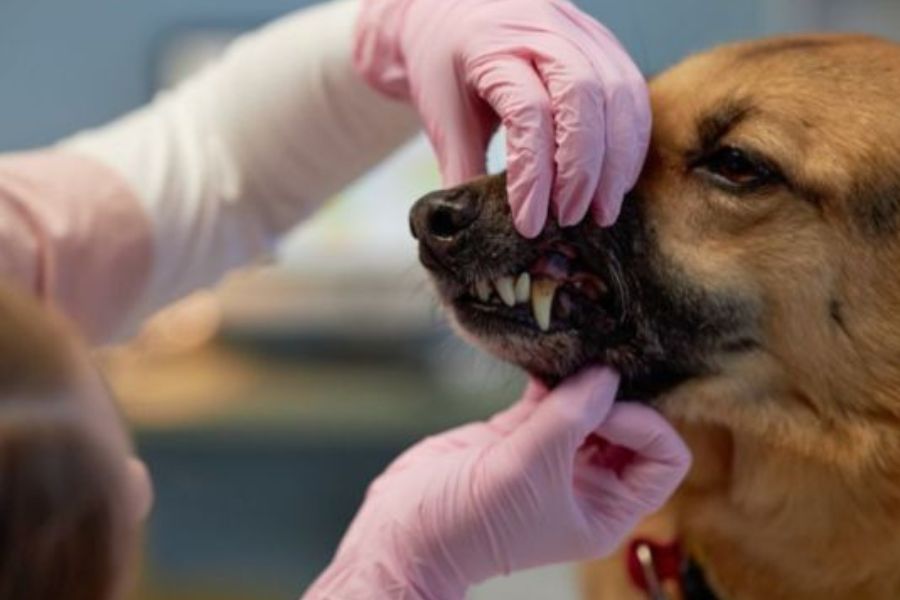
A sudden tooth injury, bleeding mouth, facial swelling, or severe pain can frighten any pet owner. Pet dental emergencies need prompt attention because mouth problems can worsen and affect eating, comfort, and overall health. Knowing when to seek help can protect your pet from pain and complications.
If your dog or cat has persistent pain, uncontrolled bleeding, a broken tooth, or trouble eating, professional assessment is the safest choice. For pet owners in Charlotte, Independence Veterinary Clinic provides compassionate support when urgent dental problems arise.
Recognizing a Pet Dental Problem That Needs Prompt Care
Pets often hide discomfort. A dog may still wag its tail while dealing with a painful tooth. Cats can become quiet, withdrawn, or less interested in food.
Warning Signs to Watch
Look inside your pet’s mouth only if it can be done safely. Signs that deserve prompt attention include:
- Bleeding that does not stop
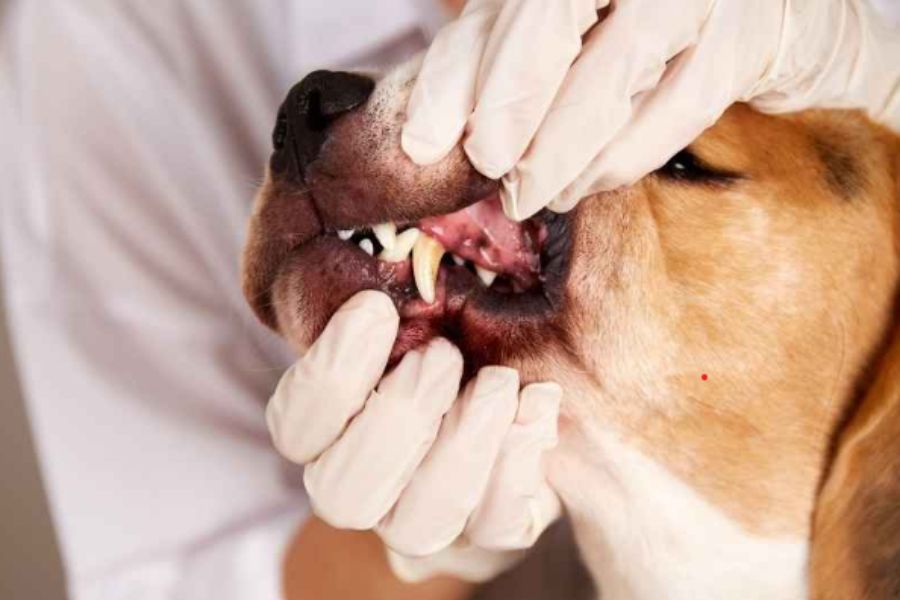
- A visibly broken, loose, or displaced tooth
- Swelling around the mouth, jaw, or face
- Sudden difficulty chewing or swallowing
- Excessive drooling
- Pawing at the mouth
- Crying, flinching, or resisting touch near the face
- Refusing food or water
- Pus, a foul odor, or unusual discharge
- A mouth injury after a fall, bite, collision, or chewing incident
Severe facial swelling, breathing difficulty, collapse, or heavy bleeding requires immediate attention.
Common Causes of Urgent Dental Problems
A hard object can fracture a tooth. A fall can loosen or displace a tooth. Another animal’s bite can injure the gums or jaw. Advanced dental disease can cause painful infections beneath the gumline.
Cats may develop tooth resorption, a painful condition that damages a tooth from within. Dogs that chew hard bones or rigid toys can suffer cracked teeth.
Do not delay care because an injury looks small. A damaged tooth can expose sensitive inner tissue and become increasingly painful.
What to Do Before You Reach a Clinic
Your goal is to keep your pet calm and prevent further injury.
Do not pull out a loose tooth. Do not give human pain medicine unless a pet professional specifically tells you to. Common human medications can be dangerous for dogs and cats.
If there is mild bleeding, gently hold clean gauze against the area if your pet allows it. Avoid forcing the mouth open. Remove hard chew toys and offer soft food if your pet can eat comfortably.
If you need urgent care for pets, call ahead and explain what happened, what signs you see, and when the problem started. A clear description helps the team prepare for your arrival.
What Happens During Urgent Dental Care?
A professional will assess your pet’s mouth, pain level, facial swelling, and general condition. The team may ask about injuries, eating habits, and changes you noticed at home.
A damaged tooth may need further examination to determine whether inner tissue has been exposed. Dental imaging can reveal problems that cannot be seen from the surface.
Treatment depends on the cause and severity. Options may include pain relief, cleaning an injured area, treating infection, repairing a suitable tooth, or removing a badly damaged tooth. Your pet’s comfort and safety guide the decision.
Ask what was found, which treatment is recommended, what signs to monitor, and when your pet should be checked again. Answers help you make informed choices.
How to Help Prevent Future Dental Problems
Daily dental care can reduce plaque buildup and support healthier teeth and gums. Use products designed for pets and choose items suited to your pet’s size and chewing habits.
Routine mouth checks can help you notice changes early. Look for red gums, unusual odor, stained teeth, swelling, or changes in chewing. Regular professional dental assessments can identify concerns before they become painful.
Choose chew toys carefully. Extremely hard objects can fracture teeth. If a toy cannot bend or has a rigid surface, ask a pet professional whether it is suitable.
Protect Your Pet’s Comfort
Dental pain should not be ignored. A broken tooth, persistent bleeding, facial swelling, or sudden difficulty eating can indicate a problem needing prompt attention. Acting calmly, avoiding unsafe home treatments, and contacting a professional can make the situation safer for your pet.
If your pet develops a sudden dental problem, call us at: 704-841-1313 for guidance and urgent care.
If you’re located in Charlotte, reach out to Independence Veterinary Clinic – where compassionate care and community come together for your pet’s well-being.
Frequently Asked Questions(FAQs):
1. What are the signs my dog needs urgent dental care?
A: Persistent mouth bleeding, facial swelling, severe pain, a broken tooth, inability to eat, or major changes in behavior can signal a serious dental problem. A prompt examination can identify the cause and protect your dog’s comfort.
2. Is a broken tooth in a cat serious?
A: A broken cat tooth can expose sensitive tissue and cause significant pain. Cats may hide discomfort, so reduced eating, drooling, pawing at the mouth, or sudden irritability deserves prompt professional attention.
3. Can I give my pet human pain medicine?
A: Do not give human pain relievers unless a qualified pet professional specifically approves the medication and dose. Some products can cause dangerous reactions in dogs and cats, even in small amounts.
4. Should I remove my pet’s loose tooth?
A: Do not try to remove a loose tooth at home. Pulling it can cause bleeding, pain, or additional injury. A professional can determine whether the tooth can be treated or should be removed safely.
5. What should my pet eat after dental treatment?
A: Your pet may need softer food for a period recommended by the care team. Follow the specific feeding instructions provided, watch for difficulty eating, and contact the clinic if pain, swelling, or bleeding returns.
6. How can I prevent serious dental problems?
A: Brush your pet’s teeth with pet-safe products, provide appropriate chew items, schedule routine dental checks, and monitor changes in eating or behavior. Early attention to odor, swelling, or discomfort can prevent problems from becoming more severe.