New To IVC? Enjoy One $23 Intro Exam!*

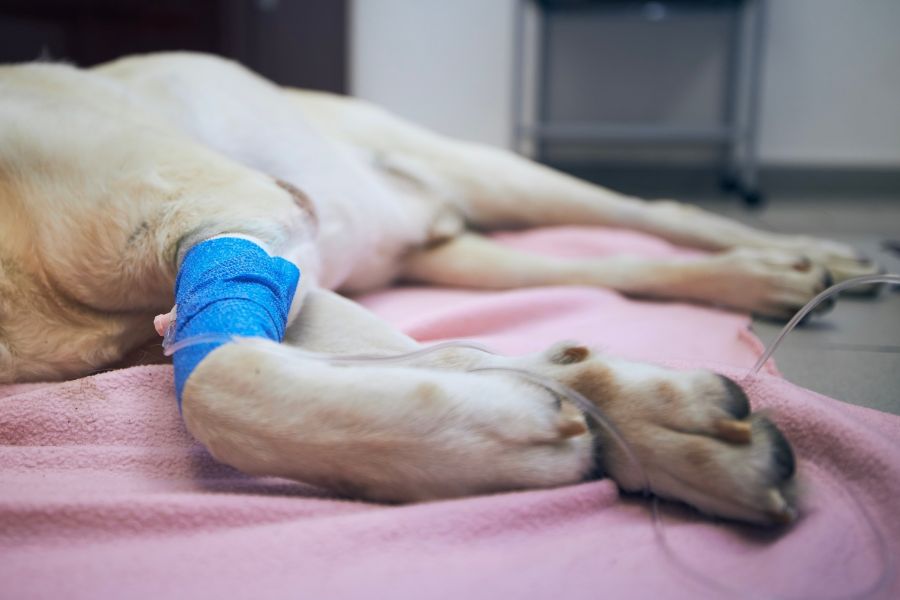
A sudden limp may signal a paw injury, joint problem, or condition needing prompt attention. Inability to bear weight, severe pain, swelling, or illness calls for urgent assessment. Learn when to seek urgent pet care, what to check safely, and what an examination may involve. For severe or worsening symptoms in Charlotte, contact a clinic promptly.
When Is a Limping Dog an Emergency?
Seek immediate help after a major accident or when limping occurs with significant pain or illness. Do not make your dog walk to test the leg. Keep movement limited and call an urgent-care or emergency clinic.
Warning Signs That Need Urgent Attention
- Your dog cannot stand, walk, or put weight on a leg.
- A limb looks crooked, a wound is deep, bleeding is heavy, or bone is exposed.
- There is sudden, marked swelling, intense pain, or crying when touched.
- Your dog was hit by a vehicle, fell from a height, or suffered major trauma.
- A leg is being dragged, the paw turns under, or coordination changes suddenly.
- Your dog collapses, has pale gums, struggles to breathe, or seems extremely weak.
These signs may indicate a fracture, dislocation, nerve damage, or internal trauma. Serious injuries may have no visible wound. Call ahead for transport instructions.
When Should You Arrange a Same-Day Visit?
A limp may not require an emergency hospital visit, but persistent or worsening symptoms should not wait several days. Arrange a same-day assessment if your dog can walk but has tenderness, mild swelling, a puncture wound, or a sudden change in activity. Repeated limping or a limp that does not improve also deserves attention.
Puppies, senior dogs, and pets with mobility problems may need earlier assessment. Normal appetite does not rule out injury.
What Causes a Dog to Limp?
Limping may originate in the paw, muscles, ligaments, bones, joints, or nerves. Its pattern helps guide an examination.
1. Paw and Nail Injuries
A thorn, glass, torn nail, pad cut, or sting can make walking painful. Look gently for debris, bleeding, or nail damage. Do not dig into skin or remove embedded objects.
2. Sprains and Ligament Injuries
Running, jumping, or slipping can strain muscles and ligaments. Knee injuries may cause difficulty rising, climbing stairs, or bearing weight.
3. Fractures and Joint Problems
Falls and collisions can fracture a bone or dislocate a joint. Swelling and severe pain may occur. Do not manipulate the leg.
4. Arthritis and Chronic Conditions
Arthritis or hip problems can cause stiffness after sleep, reluctance to jump, and difficulty with stairs. Do not dismiss a new limp as aging.
What Should You Do at Home?
Keep your dog calm and restrict activity. Carry a small dog if this does not cause pain. For a larger dog that cannot walk, use a blanket or firm support if safe. Prevent running, jumping, stairs, and play; allow only brief, controlled bathroom breaks.
If tolerated, look at the paw and leg without squeezing, bending, or stretching them. Photograph swelling or a wound and note when the limp began. Do not apply a tight bandage or splint unless a professional instructs you.
Never give human pain medicines such as ibuprofen, naproxen, or acetaminophen unless a veterinarian specifically directs you. These medicines can poison dogs. Do not use leftover pet medication without checking first. Tell the clinic your dog’s size, symptoms, injury history, and any medicine already given.
What Happens During an Urgent-Care Examination?
The care team will ask when the limp started and whether your dog can bear weight. They may observe movement, examine the paws, and assess the limb.
X-rays may be recommended for suspected fractures or bone problems. Treatment may include wound care, prescribed pain relief, rest, a support device, surgery, or rehabilitation. Ask about activity limits and follow-up.
Why Should You Avoid Waiting?
Dogs may hide pain and keep moving. Activity can aggravate damaged tissue, while delays may allow wounds or infections to worsen. Prompt assessment helps identify problems before complications develop.
When to Contact a Charlotte Veterinary Clinic
If your dog cannot use a leg, appears very painful, has a serious wound, or is unwell after an accident, seek urgent help now. Call for a same-day appointment if the limp persists or worsens.
Independence Veterinary Clinic is committed to helping pets receive attentive care and clear guidance when mobility changes cause concern. If your dog is limping in Charlotte, don’t wait for severe signs—call us at 704-841-1313 promptly to discuss care and arrange an assessment today.
Frequently Asked Questions(FAQs):
1. Should I Take My Dog to the Vet for a Limp?
A: Yes, if the limp is sudden, persistent, painful, or worsening. Seek immediate help if your dog cannot bear weight, has major swelling, or has experienced trauma. Monitor mild limping that quickly resolves.
2. How Long Should a Dog Limp Before Seeing a Vet?
A: Do not wait several days if your dog is painful or symptoms are worsening. Arrange same-day advice for a persistent limp, and seek urgent assessment for inability to bear weight or significant injury.
3. Can a Dog’s Limp Go Away on Its Own?
A: A mild irritation or strain may improve with rest, but improvement does not confirm the cause. Restrict activity and contact a clinic if the limp persists, returns, or worsens.
4. What Can I Give My Dog for Limping Pain?
A: Do not give human painkillers or leftover medication without professional direction. Some common medicines are toxic to dogs. A clinician can recommend suitable pain relief after assessing your dog’s condition.
5. Why Is My Dog Limping but Not Crying?
A: Dogs may show pain through reduced activity, licking, stiffness, or avoiding stairs rather than vocalizing. A quiet dog can still have a significant injury, so consider the limp and other signs.
6. Should I Walk My Dog If It Is Limping?
A: Avoid normal walks, running, jumping, and stairs while your dog is limping. Allow brief bathroom trips until you receive advice. If your dog cannot walk comfortably, minimize movement and call a clinic.
