New To IVC? Enjoy One $23 Intro Exam!*

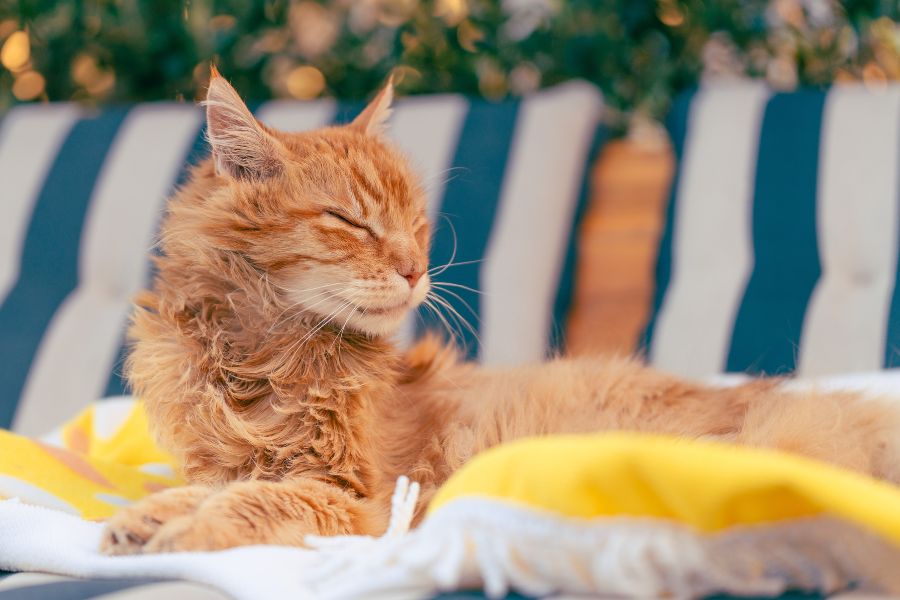
If you love Maine Coon cats but sneeze around pets, the answer matters. Maine Coon cats are not considered hypoallergenic. Their long coats can collect dander; saliva proteins can trigger allergies, and no cat breed is completely allergy-free. This guide covers cat allergens, symptom differences, exposure reduction, and health support.
Are Maine Coon Cats Hypoallergenic?
Maine Coon cats are not hypoallergenic cats. They produce the same major allergen associated with most domestic cats: Fel d 1, a protein found mainly in saliva and skin secretions. Cats spread this protein onto their fur during grooming. Dried particles can become part of household dust.
Its length and density may hold more saliva, dander, and environmental particles. A person who reacts to cats can notice symptoms around a Maine Coon because allergens can remain on furniture, clothing, carpets, and bedding.
What Does “Hypoallergenic” Really Mean?
Hypoallergenic means less likely to cause an allergic reaction, not incapable of causing one. No cat breed can guarantee an allergy-free experience. Individual cats can produce different amounts of Fel d 1, and human sensitivity varies widely.
What Causes Maine Coon Cat Allergies?
Cat allergies are usually reactions to proteins rather than cat hair itself. Fel d 1 is the primary allergen. It can be carried on fur and skin flakes and released into the surrounding environment.
Common symptoms include sneezing, itchy or watery eyes, nasal congestion, runny nose, coughing, wheezing, skin irritation, and facial pressure. Symptoms may appear quickly after exposure or build with repeated contact.
A Maine Coon’s long, thick coat can make allergen management more demanding. Shedding can move allergen-containing particles around the home. Grooming distributes saliva proteins through the coat.
Are Maine Coon Cats Worse for Allergies?
There is no scientific rule that Maine Coon cats cause stronger allergies than every other breed. Coat length does not determine Fel d 1 production. A short-haired cat can trigger severe symptoms, while someone may tolerate an individual long-haired cat better.
Individual sensitivity and household exposure matter. Spending time with the specific Maine Coon you may adopt can provide useful information about your reaction.
Can You Live With a Maine Coon If You Have Allergies?
Living with a Maine Coon may be possible for some people with mild cat allergies. The goal is allergen reduction, not complete elimination.
Practical Ways to Reduce Exposure
Keep the cat out of the bedroom to create a lower-allergen sleeping area. Wash bedding regularly. Use a vacuum with effective filtration on carpets, upholstery, and floors. Clean surfaces where fur and dust collect.
Regular grooming can reduce loose hair and may help control particles in the coat. Have grooming performed by a person who does not react strongly to cats, ideally outdoors or in a well-ventilated area.
Wash your hands after handling the cat. Avoid touching your eyes or face immediately after petting. Wash clothing that collects visible fur.
Air filtration may reduce airborne particles in frequently used rooms. Choose equipment designed for particle removal and maintain filters according to manufacturer instructions.
Are There Hypoallergenic Maine Coon Alternatives?
There is no truly hypoallergenic cat breed. Some breeds are marketed as allergy-friendly because of coat characteristics, grooming patterns, or claims about lower allergen production. Those descriptions should not be treated as guarantees.
A person with cat allergies may respond differently to individual cats within the same breed. Meeting a specific cat before adoption is more informative than choosing a breed based on its reputation.
When Should You Rethink Cat Exposure?
Mild sneezing can be manageable for some people. Persistent wheezing, breathing difficulty, significant asthma symptoms, or severe reactions deserve medical attention. Allergy testing can help identify whether cats are actually responsible for symptoms.
Your cat’s health matters too. Excessive shedding, dandruff, itching, or skin changes can have several causes. A health assessment can identify issues that may affect coat condition. Routine veterinary care supports healthy skin, grooming, nutrition, and parasite control.
The Bottom Line
Maine Coon cats are beautiful, social, and famously fluffy, but they are not hypoallergenic. Their long coats can carry saliva proteins and dander throughout a home, yet coat length alone does not determine allergy severity. Fel d 1 remains the central concern.
People with mild allergies may live comfortably with a Maine Coon when exposure is carefully managed. Cleaning, grooming, bedroom boundaries, hand washing, and filtration can reduce allergen levels. People with significant respiratory symptoms should discuss cat exposure with a healthcare professional before bringing one home.
Frequently Asked Questions(FAQs):
1. Do Maine Coon cats cause fewer allergies than other cats?
A: No. Maine Coon cats produce Fel d 1, the main cat allergen. Individual cats may produce different amounts, so allergy severity cannot be predicted from breed, coat length, or appearance alone.
2. Is Maine Coon fur the main cause of allergies?
A: No. Cat allergies are primarily caused by proteins such as Fel d 1, not fur itself. Fur can carry saliva, dander, and allergens around the home, making exposure easier.
3. Can you make a Maine Coon hypoallergenic?
A: No. There is no proven way to make a Maine Coon completely hypoallergenic. Grooming, cleaning, air filtration, and limiting bedroom access can reduce allergen exposure without eliminating the proteins.
4. Are male Maine Coon cats more allergenic?
A: Male cats can produce more Fel d 1 on average than females, particularly if they are not neutered. Individual variation is substantial, so sex alone cannot predict whether a Maine Coon will trigger symptoms.
5. Does bathing a Maine Coon reduce allergens?
A: Bathing may temporarily remove allergens from the coat, but it does not stop the cat from producing Fel d 1. Frequent bathing can also irritate skin, so grooming routines should suit the individual cat.
6. Should allergy sufferers get a Maine Coon cat?
A: People with mild allergies may tolerate an individual Maine Coon with careful exposure management. Anyone with asthma or significant reactions should seek medical advice before adoption and avoid assuming that one successful visit guarantees long-term tolerance.