New To IVC? Enjoy One $23 Intro Exam!*


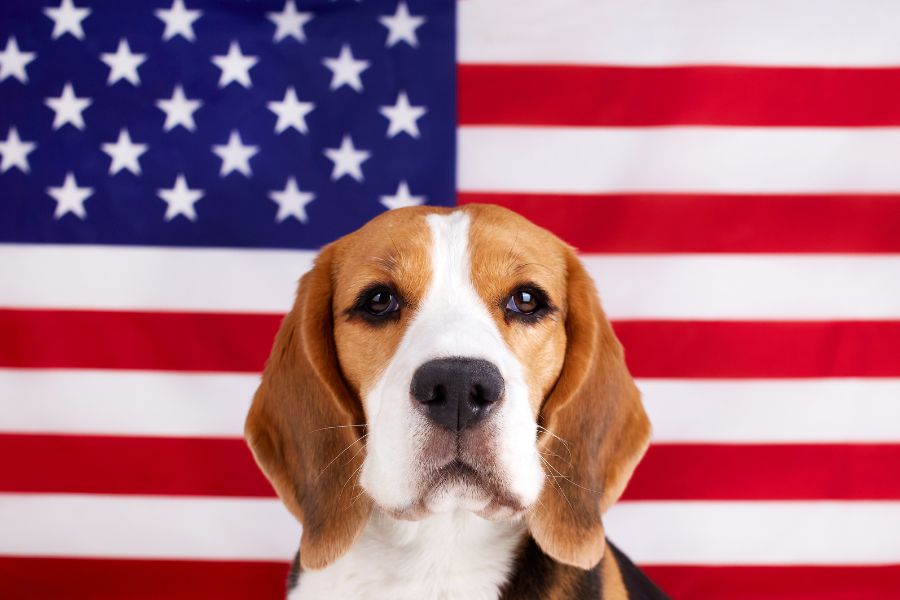
The Fourth of July is a time of celebration, food, and fun. As grills fire up and picnic tables overflow with festive favorites, it’s important to remember that not everything at your Independence Day BBQ is safe for your furry family members.
Many pet parents don’t realize how dangerous some human foods and holiday traditions can be for their pets. From choking hazards to toxic treats and grill-side mishaps, this blog outlines the risks — and how to avoid them — so your pets can enjoy the day as much as you do.
Prepare in Advance: Pet Safety Starts Before the Party
One of the most effective ways to prevent BBQ-related accidents is to plan. Before guests arrive and the grill heats up, take a moment to assess your backyard or party space from your pet’s perspective. Can they access the food table? Are trash bins secured? Is there a quiet, shaded retreat away from noise and commotion?
Designate a pet-safe area indoors or in a secure part of the yard where they can relax. Preparing ahead also means having fresh water, their favorite toys, and calming tools (like a white noise machine or anxiety wrap) on hand, especially if fireworks are part of your evening.
Hidden Dangers on the BBQ Menu: Toxic Foods to Avoid
Many popular BBQ dishes contain ingredients that are toxic to dogs and cats, even in small amounts. While your guests might want to spoil your pet with a snack, not all “treats” are created equal.
Common Toxic Foods to Watch Out For:
- Onions & Garlic: Found in burger toppings, marinades, and dips, these can damage red blood cells and cause anemia in pets.
- Chocolate Desserts: Brownies, cookies, or anything cocoa-based can lead to vomiting, seizures, or even death.
- Alcohol: Whether spilled or offered accidentally, alcohol is toxic to pets and can cause serious health issues.
- Grapes & Raisins: Sometimes found in fruit salads or baked goods, even small amounts can cause kidney failure in dogs.
- Xylitol: A sugar substitute found in gum, baked goods, and sauces, xylitol is extremely toxic and can cause a rapid insulin release, leading to hypoglycemia and liver failure.
Best practice? Politely ask guests not to feed your pets, and keep harmful foods out of reach at all times.
Bone Appétit? Think Again: Choking Hazards from Bones and Skewers
It might seem natural to toss your dog a leftover rib bone, but bones are a serious hazard. Cooked bones — especially from ribs, chicken, or pork — can splinter easily and cause:
- Choking
- Mouth injuries
- Esophageal or intestinal blockages
- Perforations in the digestive tract
Similarly, wooden or metal skewers used for kabobs can pose significant risks if pets get into the trash or grab a skewer off a plate. Swallowed skewers can puncture internal organs and usually require emergency surgery.
Pro Tip: Always dispose of bones and skewers immediately in a sealed, pet-proof trash container.
Grill Zone = No-Pet Zone: Fire and Burn Risks
The smell of sizzling meat can attract curious noses, but the area around the grill is one of the most dangerous spots for pets. Hot surfaces, open flames, and dropped food can result in burns, cuts, or ingestion of harmful substances like grease or lighter fluid.
Grill Safety Tips for Pet Owners:
- Set up a “no-pet zone” around the grill using baby gates or chairs as barriers.
- Never leave the grill unattended while it’s lit or cooling down.
- Store charcoal, matches, and lighter fluid in a locked area out of reach.
Keep in mind that some pets may try to lick or eat grease drippings, which can cause pancreatitis — a painful and potentially life-threatening condition.
Fireworks and Food Scraps: A Double Danger After Dark
As the evening rolls in, many pets become anxious due to the sound of fireworks. Combine that with lingering food scraps, half-filled cups, and unattended trash, and you’ve got a recipe for disaster.
Keep trash bins tightly covered and stored away to prevent midnight scavenging. Loud noises can startle pets into bolting, so make sure ID tags and microchips are up-to-date, and keep your pet safely indoors during fireworks shows.
Safe Alternatives: Treats Pets Can Enjoy
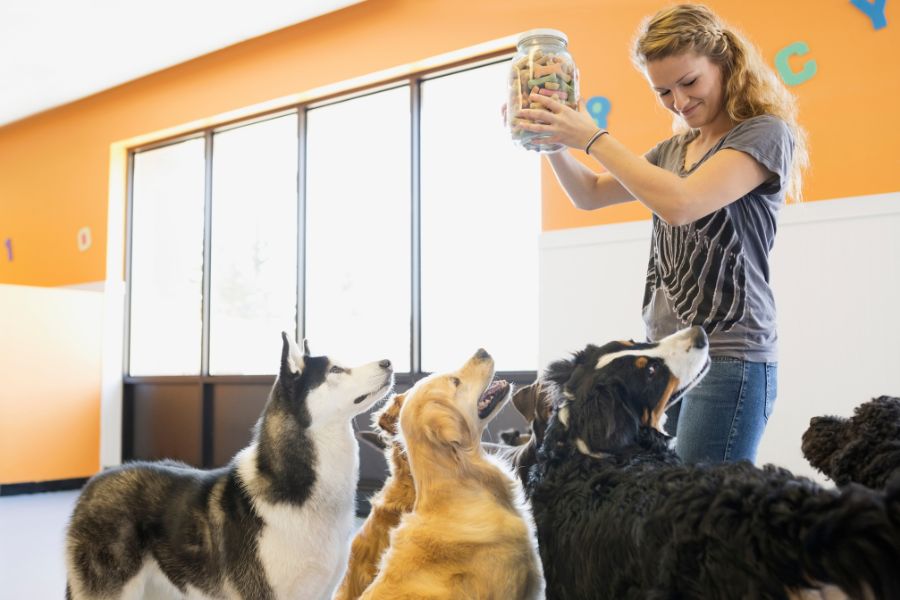
It’s natural to want your pets to join the fun. Instead of giving them human food, try offering:
- Frozen dog-safe fruit treats (like watermelon cubes with seeds removed)
- Pet-friendly frozen yogurt or peanut butter chews
- Store-bought or homemade treats specifically made for their diet
Better yet, give them a new toy or puzzle feeder to keep them entertained while the humans celebrate.
A Safe Holiday Is a Happy Holiday
The Fourth of July should be joyful for the whole family — pets included. By understanding the risks of BBQ blunders and preparing in advance, you can keep your celebration free of emergency vet visits and full of tail wags.
Remember: a little caution goes a long way in protecting your pet from choking hazards, toxic foods, and grill-related injuries.
This Independence Day, let your pets celebrate safely from the sidelines — happy, healthy, and hazard-free.