New To IVC? Enjoy One $23 Intro Exam!*

Bringing home a new puppy is exciting. You picture playtime, walks, and quiet evenings together. What most owners do not picture is a fast-moving virus that can turn a healthy puppy dangerously sick within days.
Canine parvovirus, often called “parvo,” is one of the most serious viral diseases in dogs. It spreads easily, strikes quickly, and can be life-threatening without prompt care. The good news is that you can lower the risk with proper vaccination and informed decisions.
This guide explains what parvo is, how it spreads, what symptoms to watch for, and how core vaccines for dogs play a major role in prevention.
What Is Canine Parvovirus?
Canine parvovirus is a highly contagious virus that attacks a dog’s gastrointestinal tract. In puppies, it can also affect the heart muscle. The virus targets rapidly dividing cells, which makes the lining of the intestines especially vulnerable.
When the intestinal lining is damaged, dogs cannot absorb nutrients or fluids properly. This leads to severe dehydration, weakness, and a high risk of secondary bacterial infection. Without fast treatment, parvo can become fatal.
Puppies between six weeks and six months old face the highest risk. Unvaccinated or partially vaccinated dogs are also vulnerable, no matter their age.
Why Parvo Is So Dangerous
Parvo spreads before symptoms appear. An infected dog can shed the virus in its stool days before showing any signs of illness. Shedding can continue for up to ten days after recovery.
This silent spread makes parvo hard to control in group settings, such as:
-
Shelters
-
Breeding facilities
-
Pet stores
-
Dog parks
The virus is also tough. It can survive for months in the environment and resist many common cleaners. That durability allows it to spread through surfaces, shoes, clothing, hands, and equipment.
How Parvo Spreads
Direct Contact
A dog can become infected through direct contact with:
-
An infected dog
-
Feces from an infected dog
Indirect Contact
Parvo also spreads indirectly through:
-
Contaminated food or water bowls
-
Leashes and collars
-
Kennels and cages
-
Human hands and clothing
-
Grass, soil, and outdoor areas
A puppy does not have to meet a sick dog face-to-face to catch the virus. Walking through a contaminated yard can be enough.
Parvovirus and Purchasing Puppies
Choosing where to get your puppy matters.
Many buyers search online or visit pet stores without realizing the risks. Some large-scale breeding operations, often referred to as puppy mills, keep dogs in crowded and unsanitary conditions. When many puppies live close together without proper sanitation and vaccination, viruses like parvo can spread rapidly.
In these settings:
-
Puppies may live in small cages.
-
Waste can build up quickly.
-
Veterinary oversight may be limited.
-
Vaccination records may be incomplete or unclear.
When infected puppies are sold to pet stores or shipped across states, the virus travels with them.
Adopting from a reputable rescue or shelter often provides more transparency about vaccination history and medical screening. No source offers a 100 percent guarantee, but asking detailed questions about vaccination records and health checks lowers your risk.
Symptoms of Parvo in Dogs
Parvo symptoms often appear suddenly and worsen quickly. Early recognition can save a life.
Common Signs Include:
-
Severe, bloody diarrhea
-
Vomiting
-
Lethargy
-
Fever
-
Loss of appetite
-
Rapid weight loss
-
Weakness
-
Depression
Bloody diarrhea is one of the most recognizable signs, but it may not be the first symptom. Some puppies start with mild lethargy or a decrease in appetite.
If your puppy seems unusually tired, refuses food, or vomits more than once, do not wait. Parvo moves fast.
What To Do If You Suspect Parvo
Seek veterinary care immediately.
There is no home remedy for parvo. Early treatment improves survival rates. Waiting even 24 hours can make a big difference.
Your veterinarian will likely:
-
Run diagnostic tests
-
Check hydration levels
-
Evaluate blood work
-
Recommend hospitalization if needed
Most dogs require isolation during treatment to prevent spreading the virus.
How Parvo Is Treated
There is no direct cure that kills the virus. Treatment focuses on supportive care while the dog’s immune system fights the infection.
Common Treatment Steps
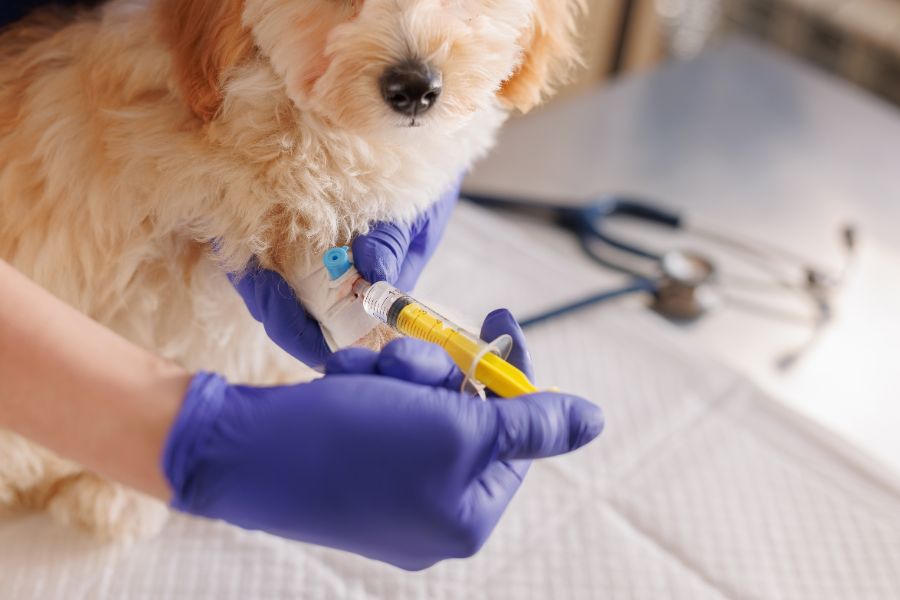
- IV Fluids
Severe dehydration is the biggest threat. Intravenous fluids restore hydration and balance electrolytes.
- Nutritional Support
Dogs with parvo often cannot eat. Supportive nutrition helps maintain strength.
- Medications
Vets may prescribe medications to:
-
Control vomiting
-
Prevent secondary bacterial infections
-
Manage pain
Hospital stays can last several days, depending on severity. Survival rates improve significantly when treatment begins early.
The Role of Core Vaccines for Dogs
Prevention is the most effective defense against parvo.
Core vaccines for dogs are those recommended for all dogs because they protect against severe and widespread diseases. Parvovirus is one of the key illnesses included in these vaccines.
Puppies receive a series of core vaccines for dogs to build strong immunity over time.
Typical Puppy Vaccination Schedule
-
First dose: 6–8 weeks
-
Second dose: 10–12 weeks
-
Third dose: 14–16 weeks
-
Booster: One year later
-
Ongoing booster: Every three years
This schedule may vary based on your veterinarian’s guidance and local risk levels.
Core vaccines for dogs work by training the immune system to recognize and fight the virus before it causes serious damage. Skipping doses or delaying boosters leaves gaps in protection.
Vaccination is a central part of pet preventive care and helps protect not only your dog but also the larger canine community.
Can Vaccinated Dogs Still Get Parvo?
Vaccination greatly reduces risk but does not eliminate it.
A dog may still become infected if:
-
The vaccine series was incomplete
-
Boosters were missed
-
The immune response was weaker than expected
-
Exposure levels were extremely high
Still, vaccinated dogs tend to experience milder illness and have much better survival rates.
Keeping up with core vaccines for dogs remains the safest and most reliable protection.
Cleaning and Disinfecting After Parvo
If your dog has had parvo, proper cleaning is critical.
-
Use a bleach solution (1:30 dilution) on hard surfaces.
-
Remove and discard heavily contaminated items when possible.
-
Avoid bringing unvaccinated puppies into the area for several months.
-
Wash your hands and clothing thoroughly after contact.
Parvo can survive in soil for a long time. Outdoor spaces may remain risky for unvaccinated dogs.
Protecting Your Puppy from Day One
Parvo prevention starts early.
Before bringing a puppy home:
-
Request full vaccination records.
-
Confirm deworming and health exams.
-
Ask where the puppy was raised.
-
Avoid public dog areas until vaccinations are complete.
Once home:
-
Follow the recommended vaccine schedule.
-
Limit exposure to unknown dogs during the early months.
-
Keep vet appointments on time.
Core vaccines for dogs form the backbone of disease prevention in young puppies.
Conclusion: Make Prevention Your Priority
Canine parvovirus is serious, fast-moving, and preventable. It spreads easily and hits young puppies the hardest. Clear information, responsible puppy sourcing, and timely vaccination make a big difference.
Core vaccines for dogs remain the most reliable way to reduce risk. Staying on schedule protects your puppy during its most vulnerable months and supports community-wide health.
If you have questions about vaccination timing, exposure risks, or early symptoms, speak with your veterinarian. When in doubt, act quickly. Early care saves lives.
To protect your puppy and review the right vaccination plan, schedule a consultation with your local veterinary provider. An informed decision today can prevent a medical emergency tomorrow.
Frequently Asked Questions (FAQs)
1. What are the first signs of parvo in a dog?
A: The first signs of canine parvovirus are often subtle. Many dogs begin with:
-
Low energy or unusual tiredness
-
Loss of appetite
-
Mild fever
-
Vomiting
Within a short time, symptoms can worsen and include severe, often bloody diarrhea and rapid dehydration. Because the virus progresses quickly, any sudden change in your puppy’s behavior, appetite, or digestion should be taken seriously. Early veterinary care improves survival chances.
2. Can humans catch canine parvovirus?
A: No. Humans cannot catch canine parvovirus from dogs. The virus that affects dogs is species-specific.
However, people can carry the virus on their hands, clothing, or shoes after touching contaminated surfaces. This means you can accidentally spread it from one dog to another if proper hygiene is not followed.
3. What is canine parvovirus caused by?
A: Canine parvovirus is caused by the canine parvovirus type 2 (CPV-2) virus. It is a highly contagious viral infection that attacks rapidly dividing cells in a dog’s body, especially in the intestines and, in young puppies, sometimes the heart muscle.
The virus spreads through contact with infected feces, contaminated environments, or infected dogs. It is not caused by bacteria, poor diet, or parasites, though these conditions can worsen the illness if present.
4. At what age is a dog most at risk for parvo?
A: Dogs are most at risk between six weeks and six months of age. Puppies are especially vulnerable before completing their full series of core vaccines for dogs.
Unvaccinated adult dogs are also at risk, but severe cases are more common in young puppies whose immune systems are still developing.
5. What can be mistaken for parvo?
A: Several conditions can look similar to parvo, especially in the early stages. These include:
-
Severe intestinal parasites
-
Bacterial infections
-
Dietary indiscretion (eating spoiled or inappropriate food)
-
Hemorrhagic gastroenteritis (HGE)
-
Pancreatitis
Because vomiting and diarrhea are common symptoms in many illnesses, testing is necessary to confirm parvo. A veterinarian can perform a fecal test and other diagnostics to make an accurate diagnosis.