New To IVC? Enjoy One $23 Intro Exam!*

Colitis in Dogs: When to See a Veterinarian for Persistent Diarrhea
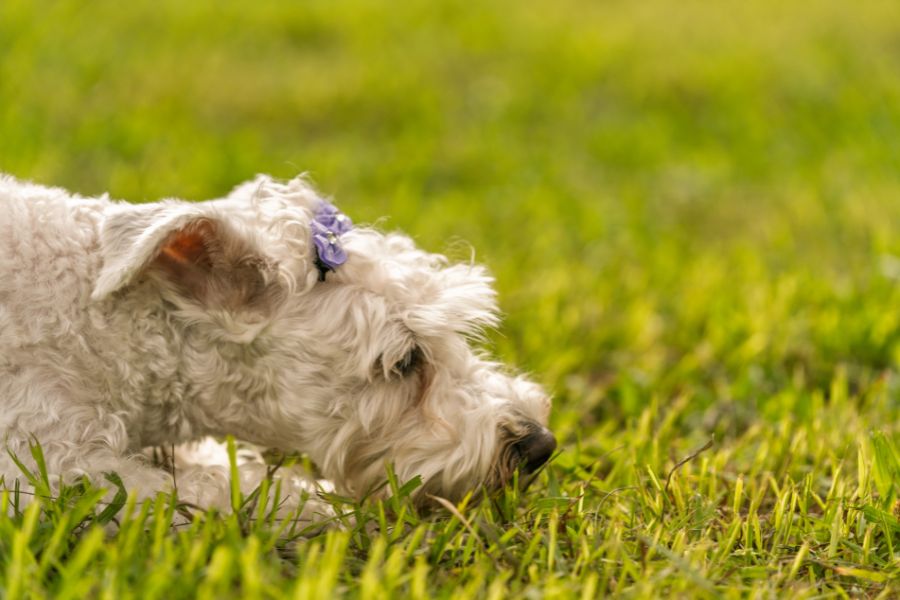
Has your dog had diarrhea that just won’t stop? Maybe you’ve noticed frequent trips outside, straining, or even streaks of blood in the stool. Occasional stomach upset happens. But when diarrhea lingers or keeps coming back, it could point to colitis in dogs.
Understanding what colitis is, what causes it, and when to seek help can make a real difference in your dog’s comfort and recovery. Let’s walk through what you need to know so you can make informed decisions with confidence.
What Is Colitis in Dogs?
Colitis in dogs is inflammation of the colon, also known as the large intestine. The colon’s job is to absorb water and store stool before it leaves the body. When it becomes inflamed, that process breaks down.
The result? Frequent, urgent diarrhea that often looks different from typical stomach upset.
Dogs with colitis may:
-
Need to go outside many times a day
-
Pass small amounts of loose stool
-
Strain or squat repeatedly
-
Have mucus or bright red blood in the stool
-
Seems uncomfortable or restless
Colitis can be short-term (acute) or long-lasting (chronic). Acute episodes often appear suddenly. Chronic colitis in dogs tends to come and go over weeks or months.
Why Does Colitis Happen?
There isn’t one single cause of colitis in dogs. Several triggers can irritate the colon.
Common Causes
1. Dietary Indiscretion
Dogs eat things they shouldn’t. Trash, table scraps, spoiled food, or sudden diet changes can upset the colon quickly.
2. Food Sensitivities
Some dogs react poorly to certain proteins or ingredients. Over time, this can lead to chronic colitis in dogs.
3. Parasites
Intestinal parasites like whipworms can inflame the colon and cause recurring diarrhea.
4. Stress
Travel, new pets, or big household changes can trigger stress-related colitis. The colon is sensitive to emotional stress.
5. Bacterial Imbalance
An imbalance of gut bacteria may irritate the intestinal lining.
6. Inflammatory Bowel Disease (IBD)
Chronic inflammation that affects the digestive tract may include the colon.
Identifying the root cause is key to managing colitis in dogs effectively.
What Does Colitis Look Like at Home?
It helps to know what separates colitis from simple stomach upset.
Ask yourself:
-
Is your dog going outside more often than usual?
-
Is the stool soft but passed in small amounts?
-
Is there mucus or bright red blood?
-
Does your dog strain but produce little stool?
Colitis in dogs usually affects the large intestine, so the stool may look soft but not watery. You may also see urgency — your dog acts like they cannot wait.
In contrast, small intestine diarrhea tends to produce larger volumes of watery stool and may be linked to weight loss.
Paying attention to these details helps your care provider narrow down the cause faster.
When Is Diarrhea an Emergency?
Mild diarrhea that lasts a day and your dog still acts normal may not require immediate concern. But certain signs signal that it’s time to seek help.
Call for Help If You Notice:
-
Diarrhea lasting more than 48 hours
-
Repeated episodes over several weeks
-
Large amounts of blood
-
Vomiting along with diarrhea
-
Lethargy or weakness
-
Refusal to eat or drink
-
Signs of dehydration (dry gums, sunken eyes)
-
Diarrhea in puppies or senior dogs
Persistent colitis in dogs can lead to dehydration and discomfort. Young puppies and older dogs are at higher risk of complications.
Trust your instincts. If your dog seems off, do not wait.
How Is Colitis Diagnosed?
Diagnosis starts with a detailed history. Expect questions about:
-
Diet changes
-
Access to trash or new treats
-
Stressful events
-
Travel history
-
Previous health issues
A stool test is often recommended to check for parasites or infections. In chronic cases, blood work or imaging may be needed to rule out deeper issues.
In some long-term cases of colitis in dogs, further testing, such as ultrasound or biopsy, may be discussed to confirm inflammatory bowel disease or other conditions.
The goal is to find the cause rather than just treat symptoms.
Treatment Options for Colitis in Dogs
Treatment depends on what’s causing the inflammation.
1. Dietary Changes
A bland diet may be recommended short term. For chronic colitis in dogs, a limited-ingredient or prescription diet may help reduce inflammation.
2. Fiber Support
Some dogs improve with added fiber. Fiber can help regulate stool consistency and support colon health.
3. Deworming
Even if parasites are not seen on a test, preventive deworming may be suggested in some cases.
4. Probiotics
Probiotics can help restore healthy gut bacteria.
5. Medication
Anti-inflammatory medication or antibiotics may be used if infection or immune-related inflammation is suspected.
Each case of colitis in dogs is different. That’s why tailored care matters.
Can Colitis Go Away on Its Own?
Acute colitis sometimes resolves within a few days, especially if caused by mild dietary upset or stress.
Chronic colitis in dogs rarely resolves without identifying and managing the trigger. Ignoring repeated episodes may allow inflammation to worsen.
If your dog keeps having flare-ups, it’s time to look deeper.
Preventing Future Episodes
You cannot prevent every case of colitis in dogs, but you can reduce the risk.
-
Avoid sudden diet changes
-
Keep trash secured
-
Stay consistent with parasite prevention
-
Limit table scraps
-
Reduce stress during travel or transitions
-
Monitor stool changes closely
Early action often prevents bigger problems.
How to Prepare for an Appointment
If you decide to seek help, come prepared.
Bring:
-
A fresh stool sample, if possible
-
A list of foods and treats
-
Notes about when symptoms started
-
Details about recent changes at home
This information speeds up diagnosis and helps your provider pinpoint the cause of colitis in dogs more accurately.
If you want to better understand your dog’s overall digestive health or explore care options, you can Learn more about our veterinary services here- Independence Veterinary Clinic. Clear information helps you make thoughtful decisions without feeling rushed.
Why Timely Care Matters
Persistent diarrhea is not just messy. It affects hydration, nutrient absorption, and comfort. Chronic colitis in dogs can lead to weight loss and ongoing discomfort if left untreated. Addressing inflammation early reduces long-term complications. It also helps your dog return to normal routines faster. Seeking veterinary care at the right time protects your dog’s health and prevents small problems from becoming larger ones.
Final Thoughts: Know When to Act
Colitis in dogs is common, but persistent diarrhea should never be ignored. Occasional stomach upset happens. Repeated straining, mucus, or blood in the stool signals inflammation that needs attention.
Watch your dog’s behavior. Notice patterns. Act early when symptoms last more than a couple of days or keep returning.
Your dog depends on you to recognize when something is wrong. Prompt action brings relief, protects long-term health, and keeps small digestive problems from becoming serious.
If your dog has ongoing diarrhea, do not wait. Schedule an evaluation and get clear answers. Early steps today can prevent weeks of discomfort tomorrow.
Frequently Asked Questions
1. Is colitis in dogs contagious?
Most cases are not contagious. If parasites or certain infections are involved, other pets may be at risk. Good hygiene and testing help reduce the spread.
2. What foods are best for dogs with colitis?
Simple, easily digestible diets are often recommended. Some dogs benefit from limited-ingredient or high-fiber diets. The right food depends on the underlying cause.
3. How long does colitis in dogs last?
Acute cases may last a few days. Chronic colitis in dogs can last weeks or months without proper management.
4. Can stress really cause colitis?
Yes. Stress affects the gut directly. Travel, or major household changes, can trigger flare-ups.
5. Is blood in stool always serious?
Small streaks of bright red blood are common with colitis in dogs due to colon irritation. Large amounts of dark, tarry stool require immediate attention.
6. Can probiotics cure colitis?
Probiotics support gut health but are not a cure. They are often part of a broader treatment plan.
Related Articles
By Independence Veterinary Clinic
