New To IVC? Enjoy One $23 Intro Exam!*

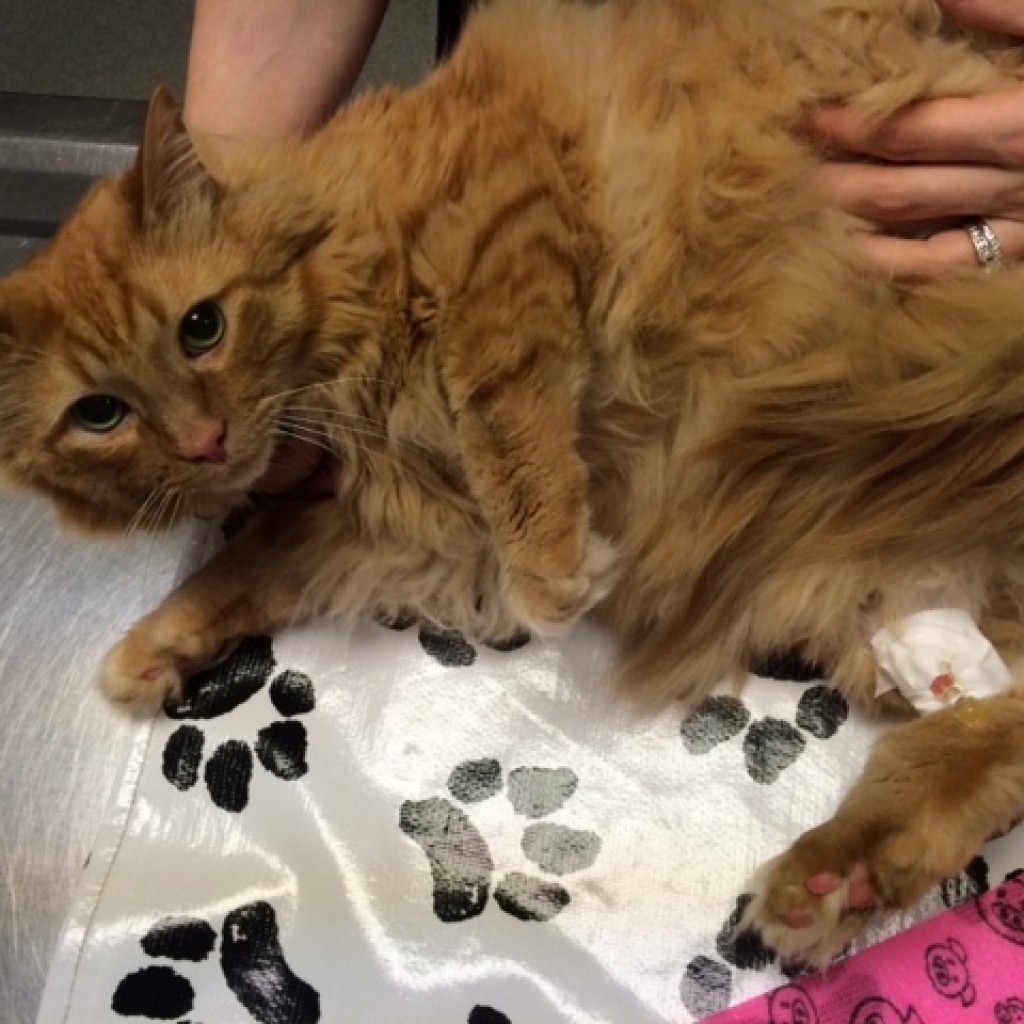
This is Laredo the cat. Laredo came to visit us for a dental prophylaxis, which means he came to get his teeth cleaned! We, at IVC, are going to take you on a pictorial journey just so you amazing owners can fully understand the ins and outs of having your pet’s oral hygiene taken care of! So let’s begin.
IV Catheter Placement
This allows us to administer intravenous medications and IV fluids during anesthesia. Every animal that has anesthesia at IVC receives intravenous fluid therapy. Anesthesia always decreases the patient’s blood pressure which then decreases blood flow to its vital organs (heart, brain, and kidney). In cats, the kidney is extremely important, as their kidney cells (nephrons) do not regenerate over their lives. Kidney disease is very common in cats. It is very important to ask about anesthesia protocols when comparing prices for procedures. It is not all the same!
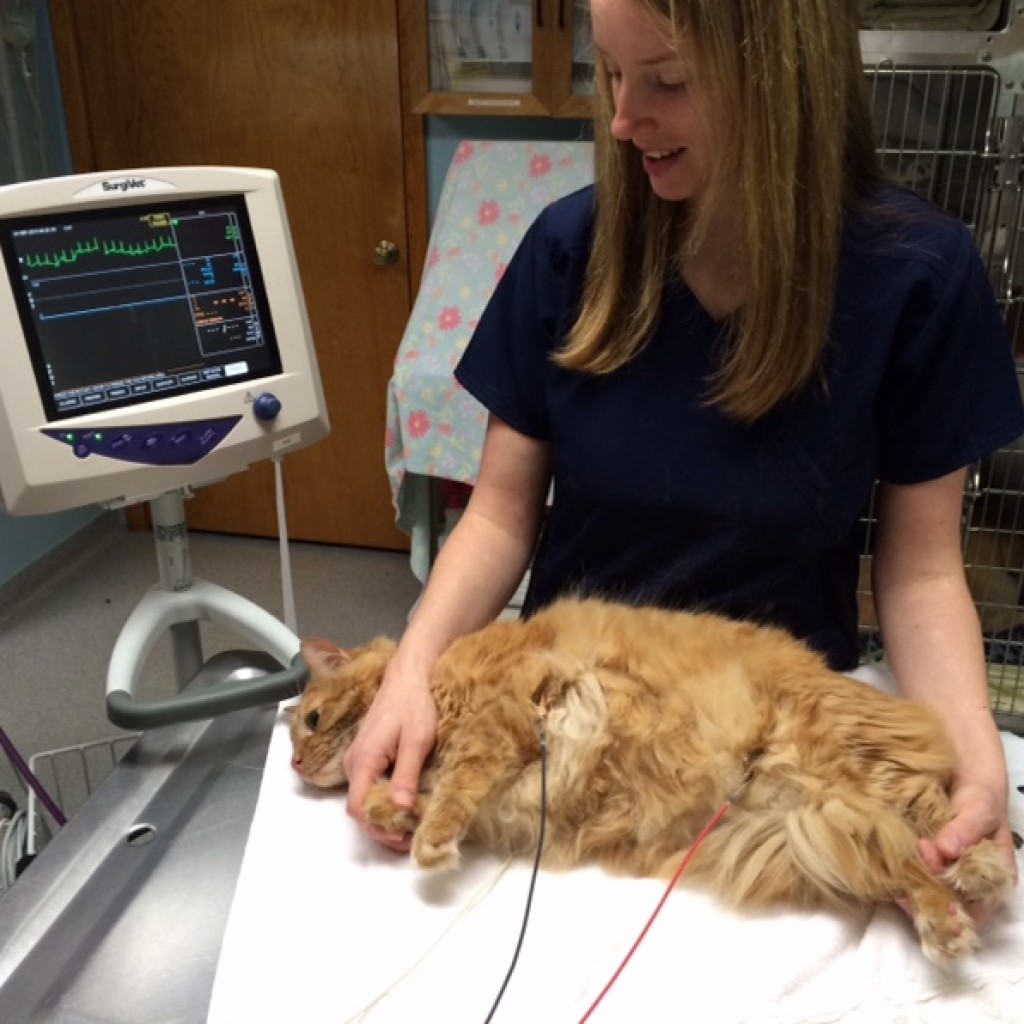
Pre-Anesthetic EKG
Next we do a pre-anesthetic EKG to check for arrhythmias that would prevent us from doing anesthesia or alert us of problems that would require cardiac interrogation before deciding to go further. At IVC we probably cancel one anesthesia a month due to arrhythmias we find on the EKG.
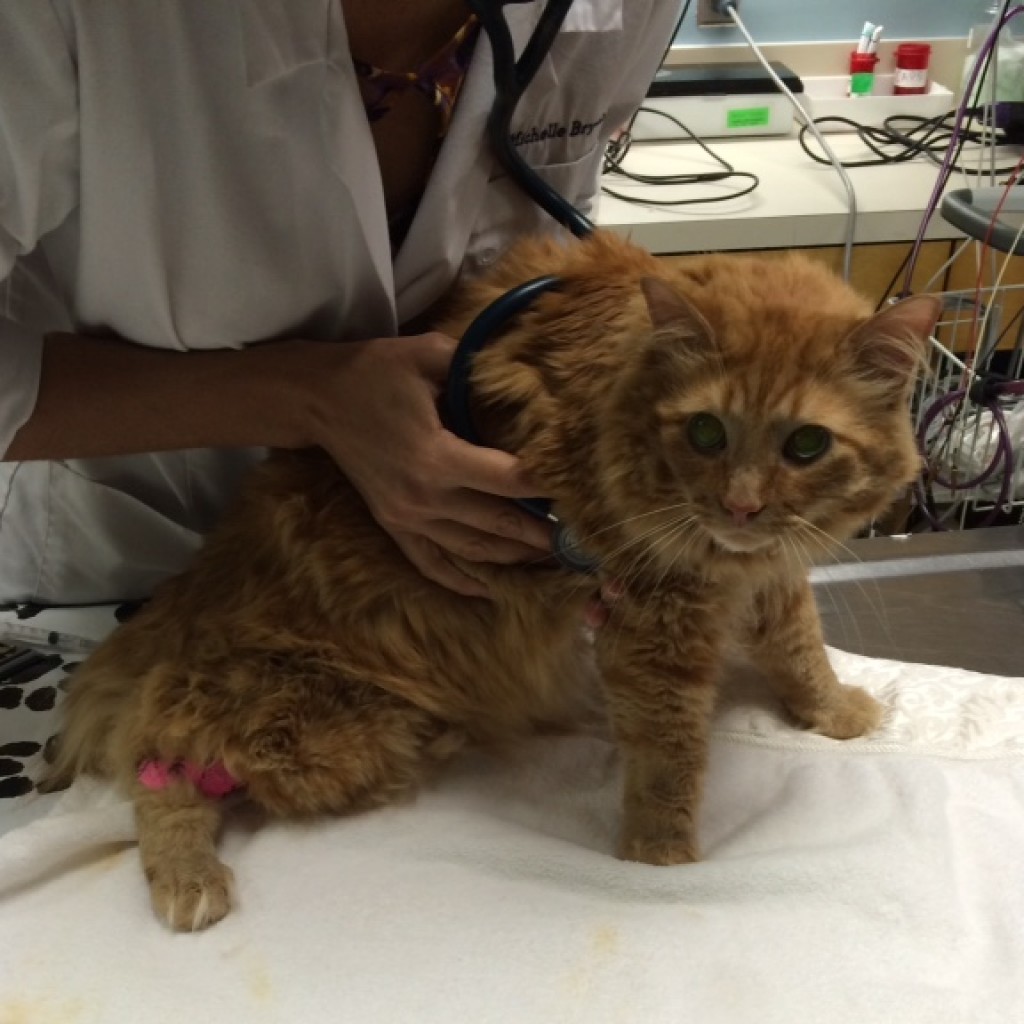
The Exam
Next Laredo is examined by the doctor in charge of his procedure.
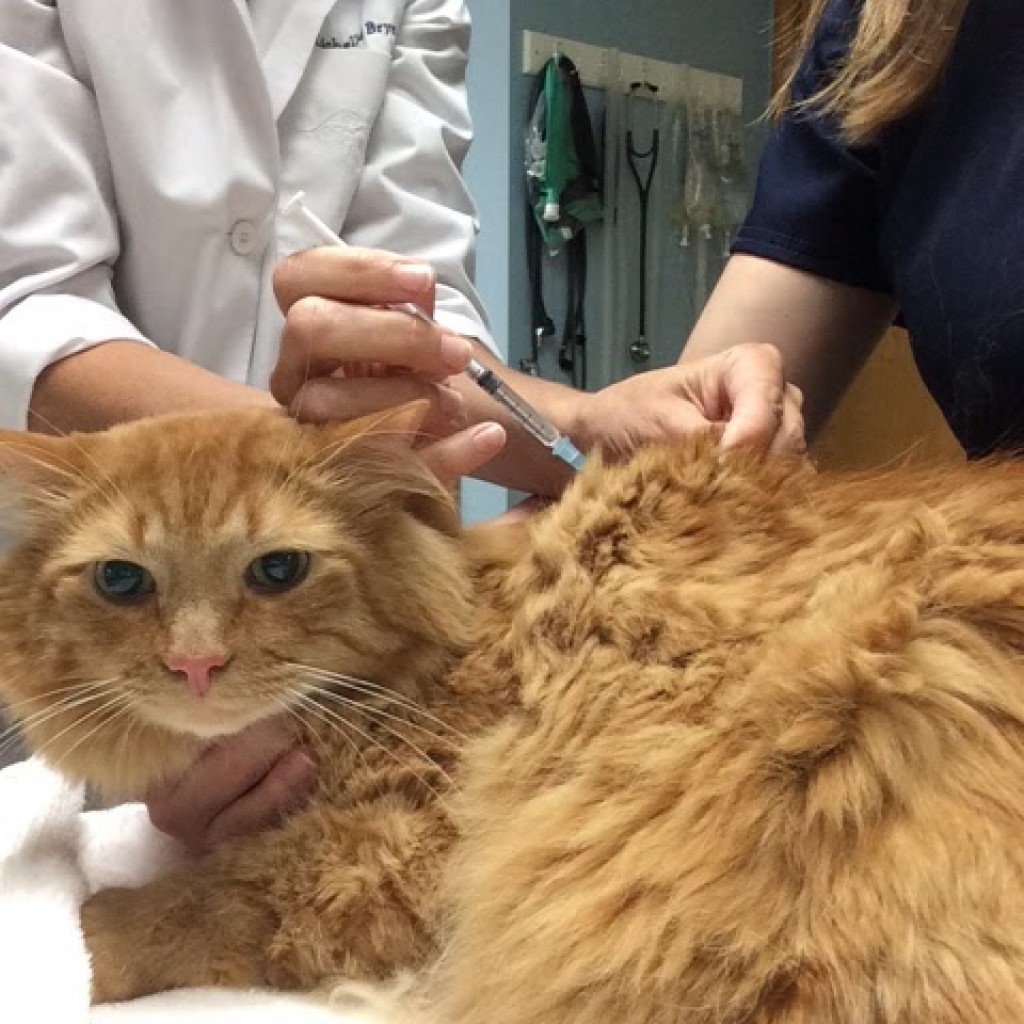
Pain Medication
Once Laredo is determined to be healthy enough to have anesthesia he is administered pre-medications. Pre-meds are pain medications that are given prior to anesthesia to create a smooth induction and better pain prevention protocol.
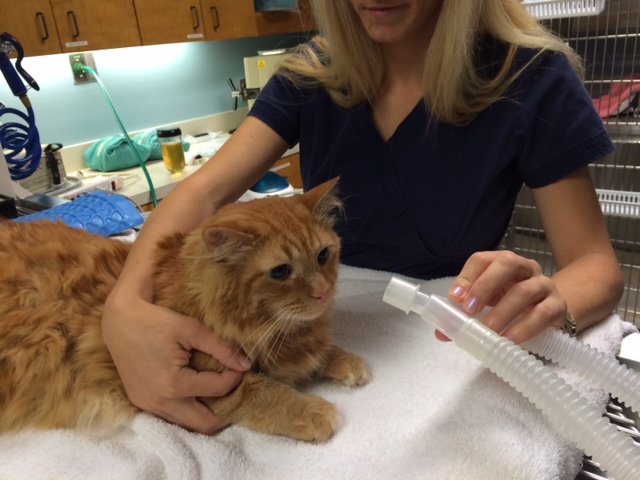
Pre oxygenation for five minutes
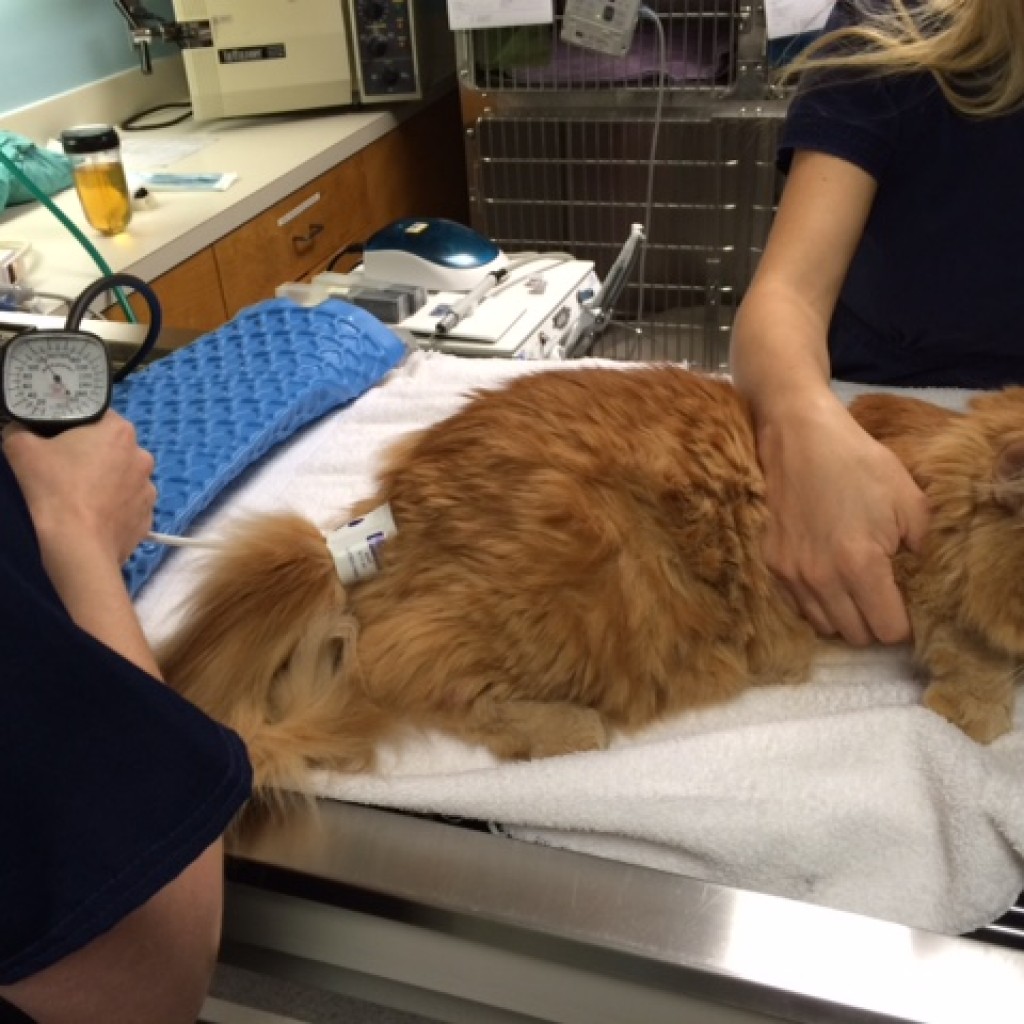
Doppler blood pressure monitoring
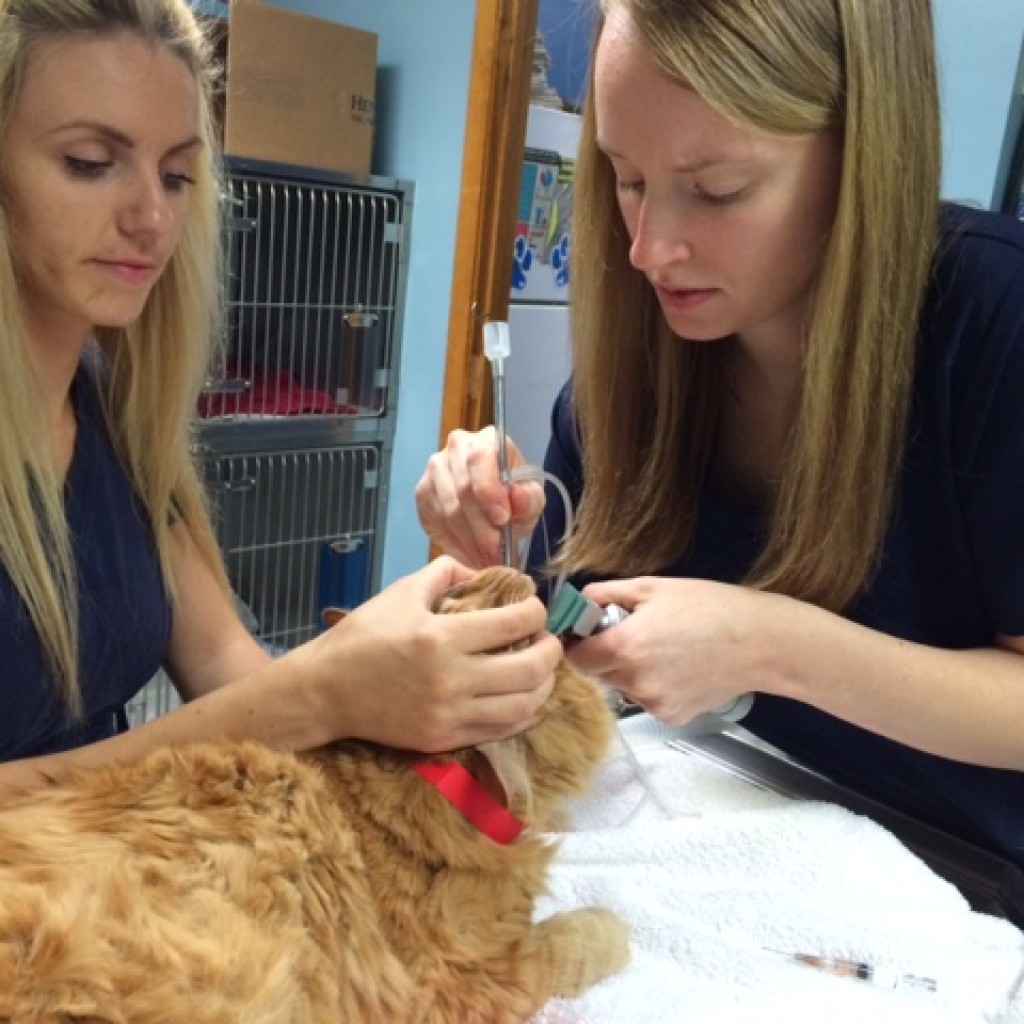
Anesthesia with Propofol and Intubation
Induction of anesthesia with Propofol and intubation. Intubation allows anesthetic gas and oxygen administration as well as manual ventilation. Intubation is required during any dentistry to protect the airway from the dental fluids that could enter the lungs.
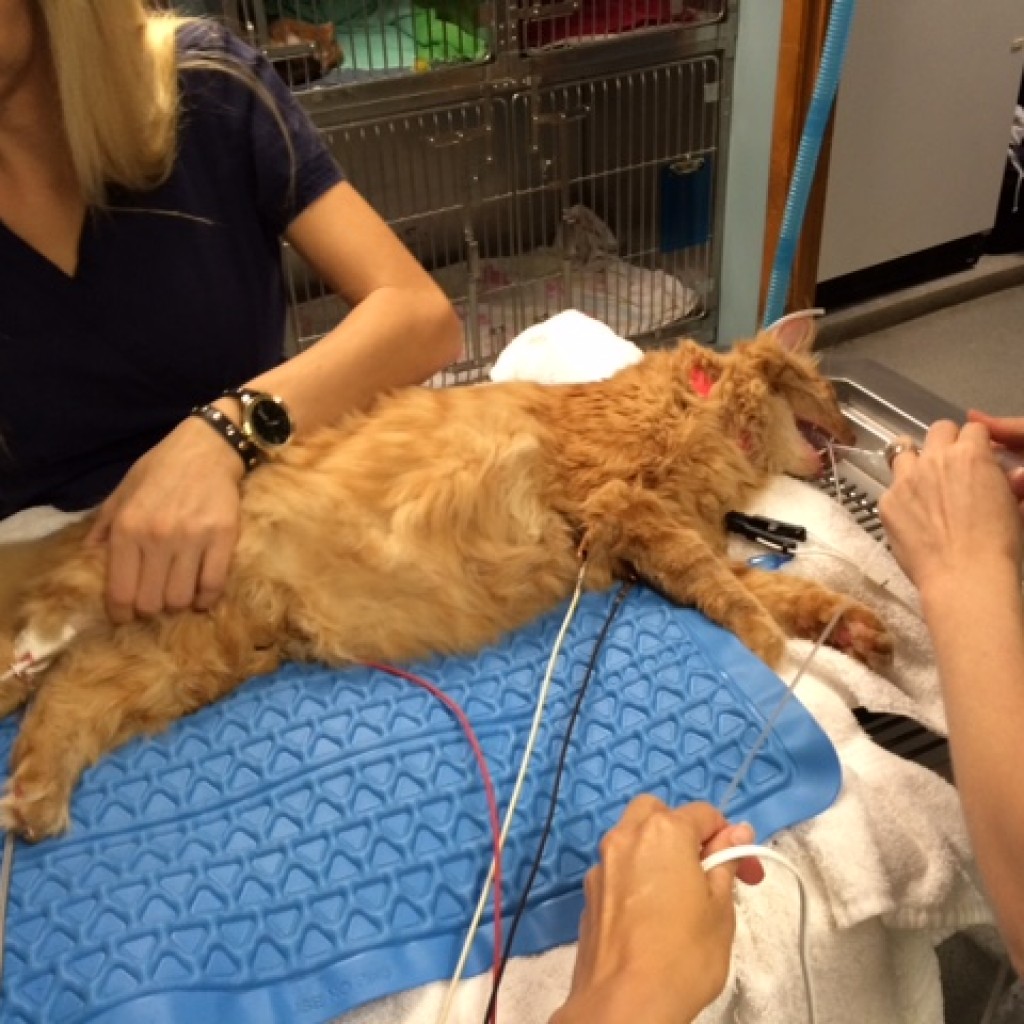
Anesthesia Monitoring Equipment
State of the art anesthesia monitoring equipment, IV fluids, and warming blanket are placed. We have a dedicated anesthesia nurse that never leaves your patient. We always monitor blood pressure via Doppler and oscillometric methods, heart rate, EKG, respiratory rate, CO2 levels and breathing wave forms (capnography), pulse oximetry (oxygen saturation of the blood), eye position, mucous membrane color, capillary refill time and anesthetic depth.
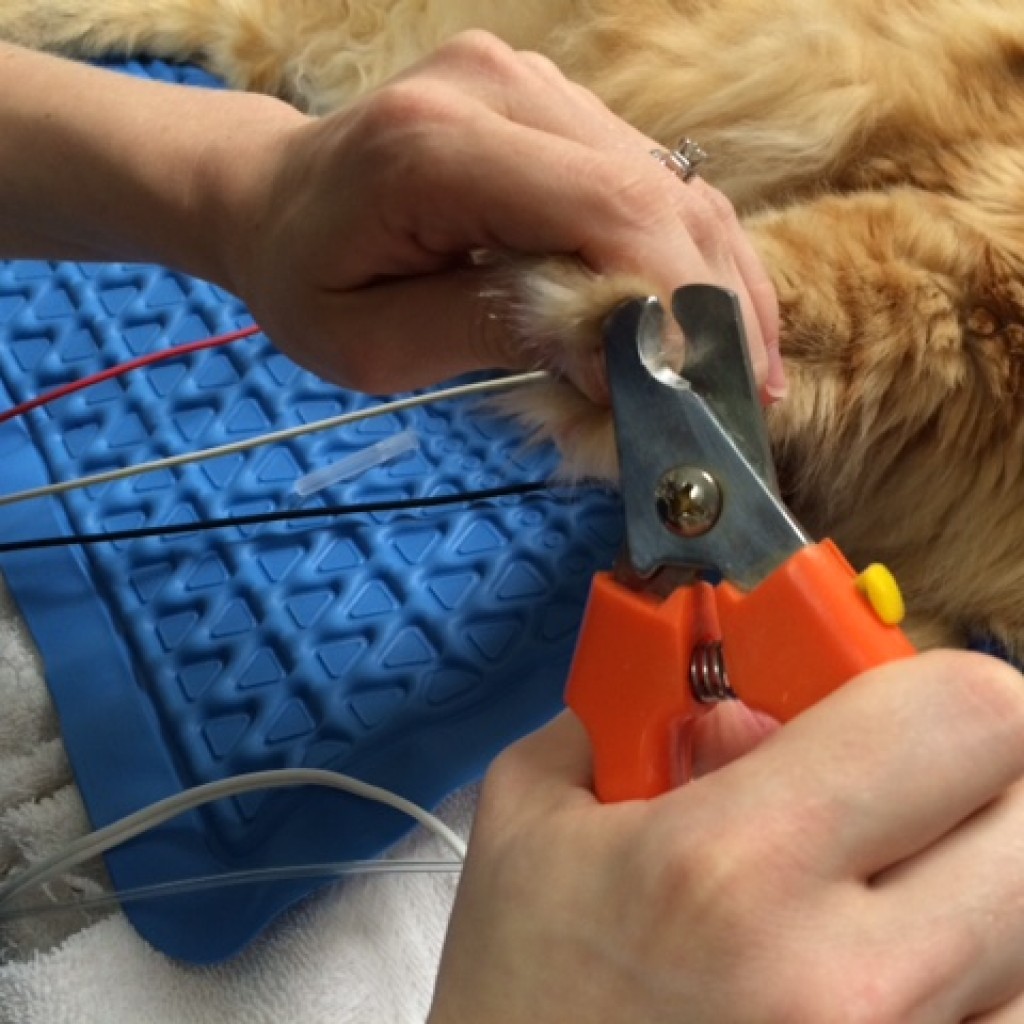
Patients receive a complimentary pedicure.
The mouth is evaluated and a dental plan is made.
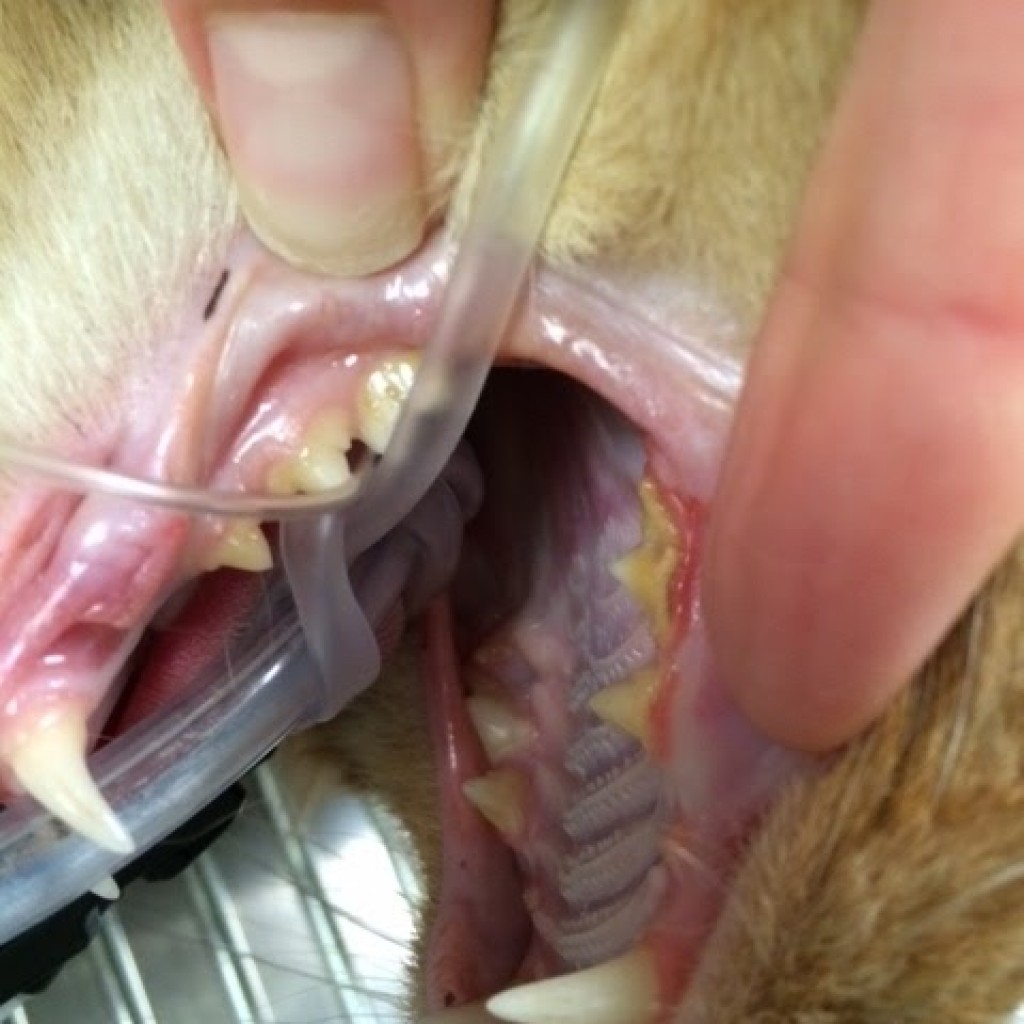
Heavy tartar or calculus is removed from the teeth.
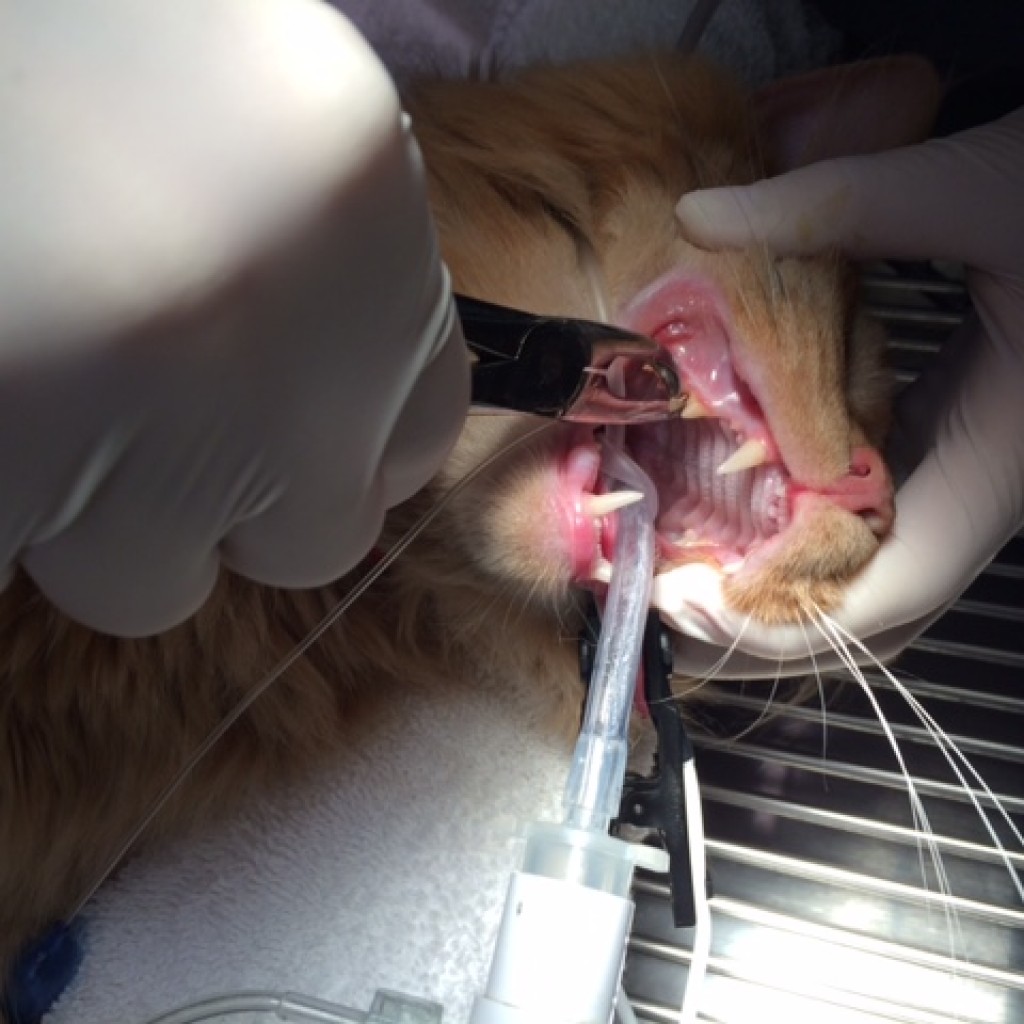
Ultrasonic and hand scaling above and below the gum line
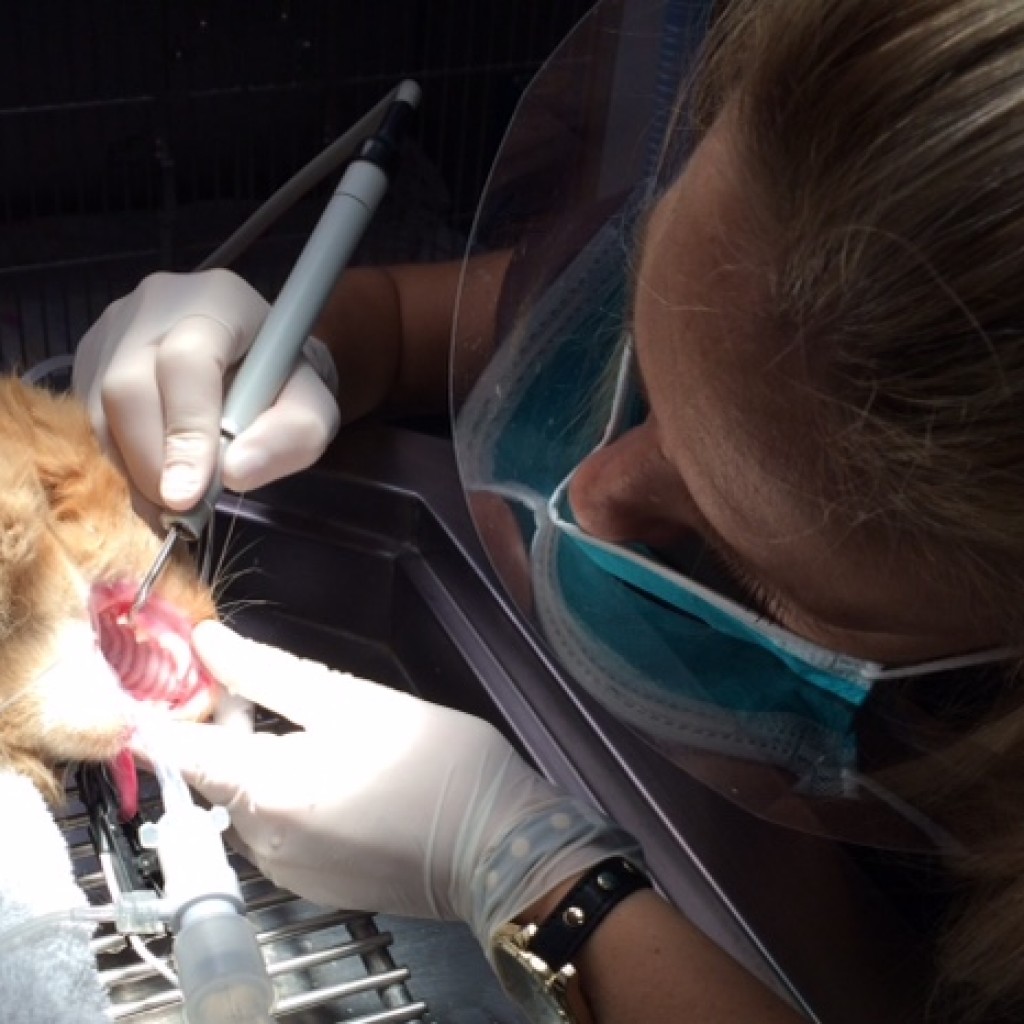
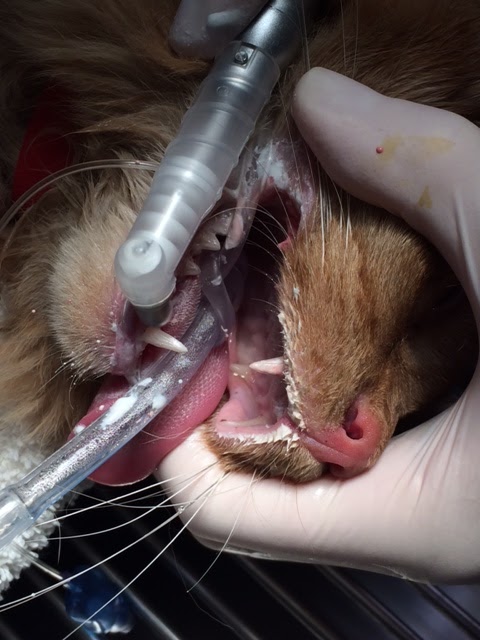
High speed polishing with medium and fine grit polish
Clean teeth are charted and explored for gingival pockets. Fluoride is applied.
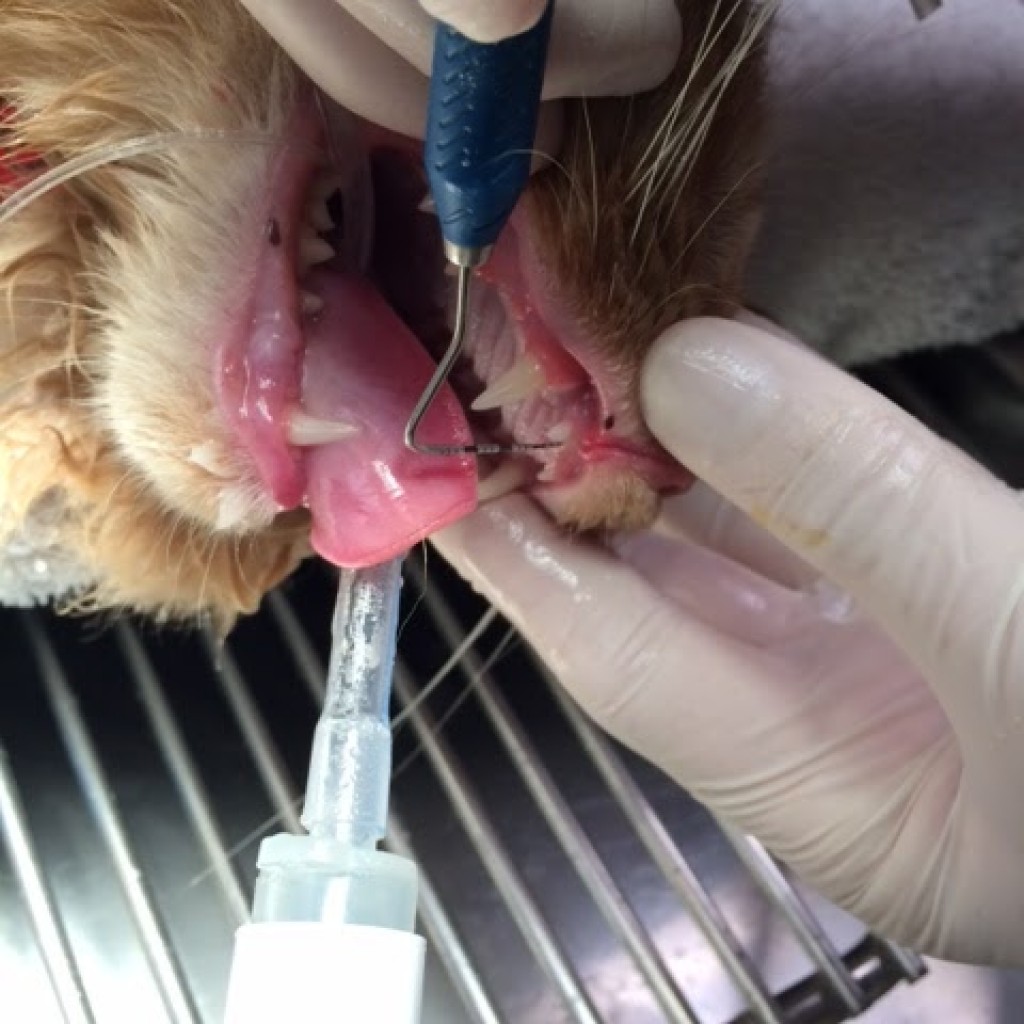
The process is repeated in the opposite side.
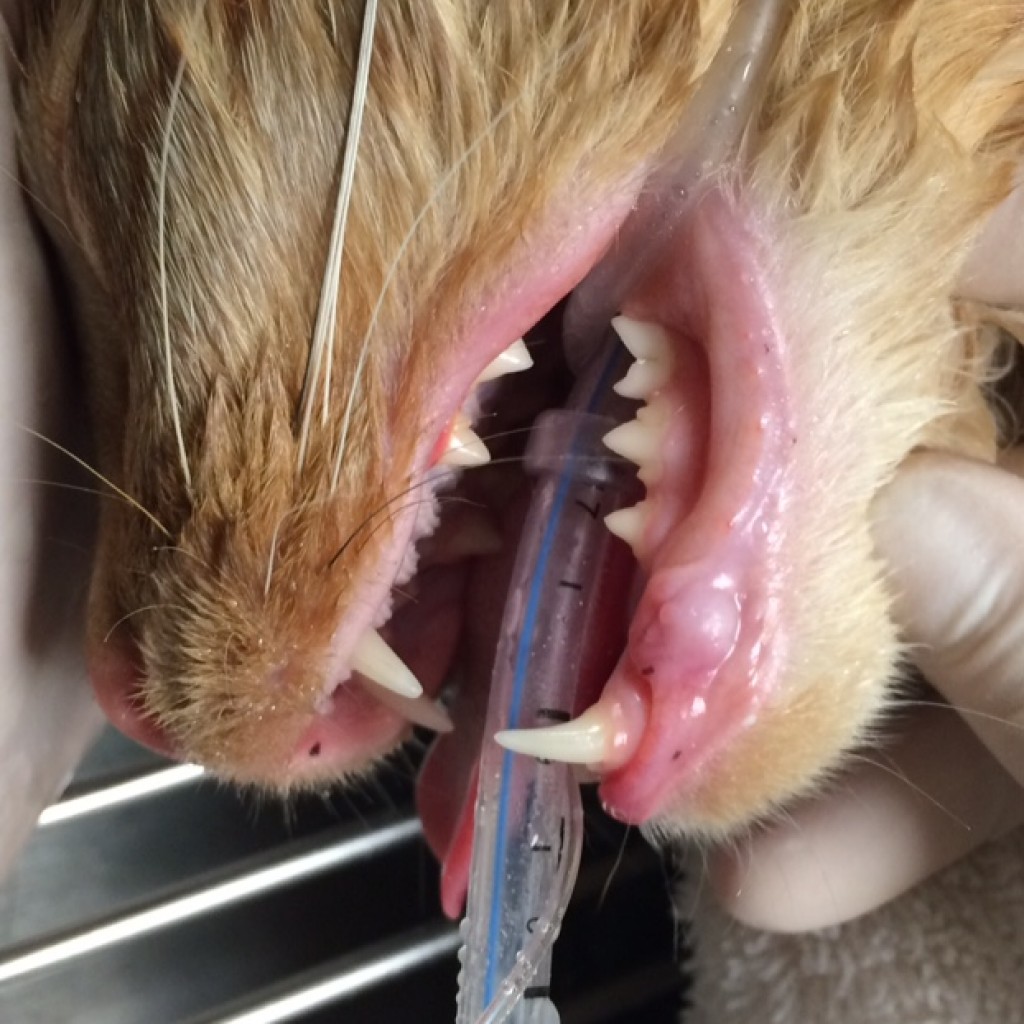
Clean Teeth!
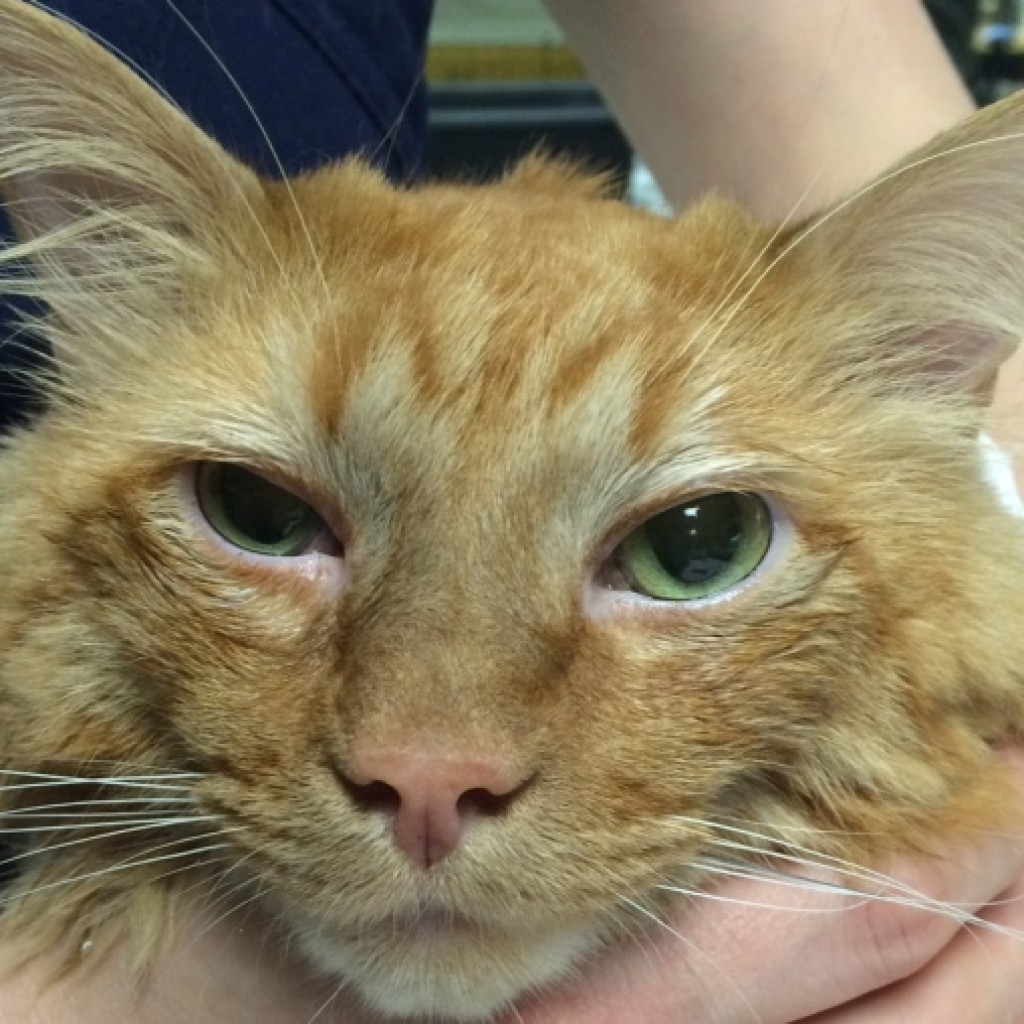
Anesthesia Discontinued
Anesthetic gas is discontinued, he is oxygenated for five minutes and Laredo awakens and his tube is removed. He is still very sleepy so the anesthesia technician will stay with him until he is able to rest on his towels and blankets in his cage. His owner is called to let them know he is waking up and set up a discharge time.
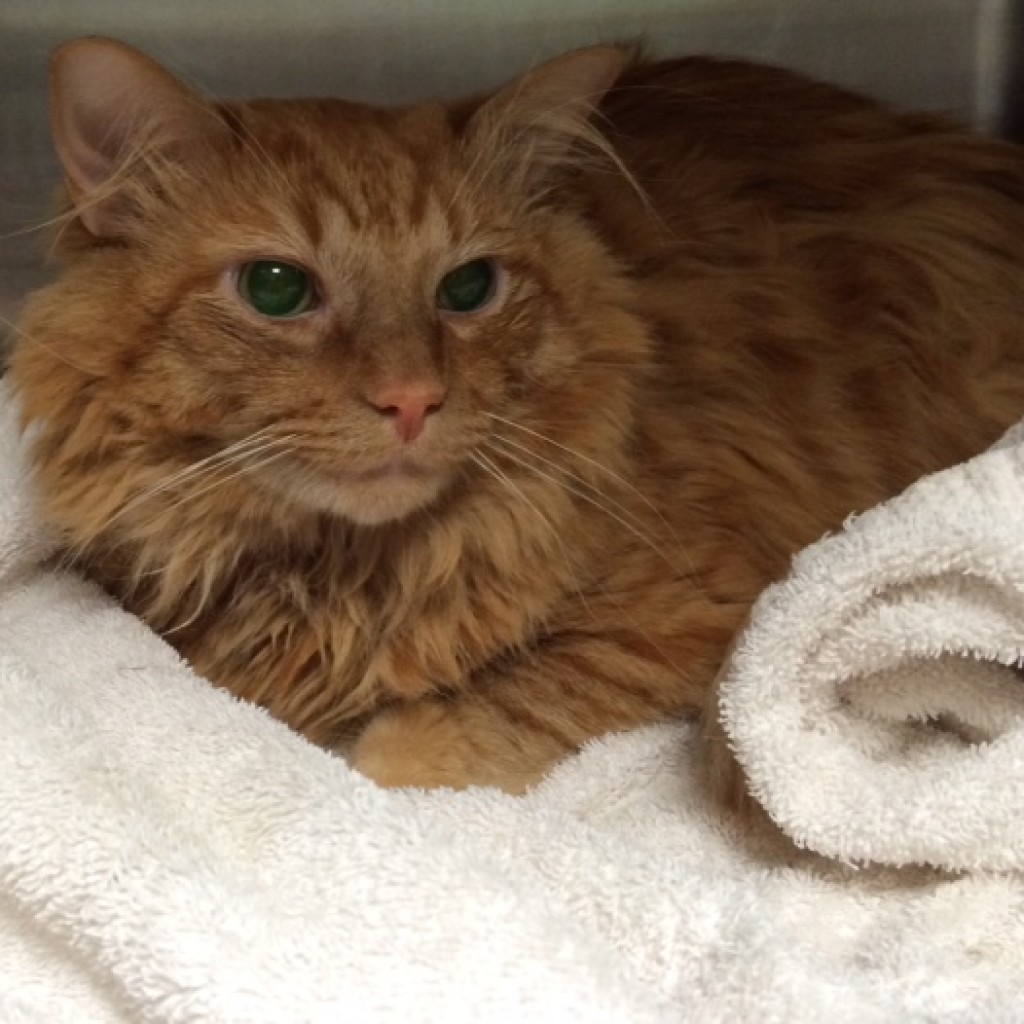
Anesthesia Monitoring Equipment
During recovery in his cage the anesthesia nurse will check his vitals (heart rate, respiratory rate, gum color, capillary refill time, and body temperature) every five minutes until his temperature is over 99 degrees and he can sit up on his own. Then we will monitor him throughout the afternoon and remove his IV catheter once he has a normal body temperature.
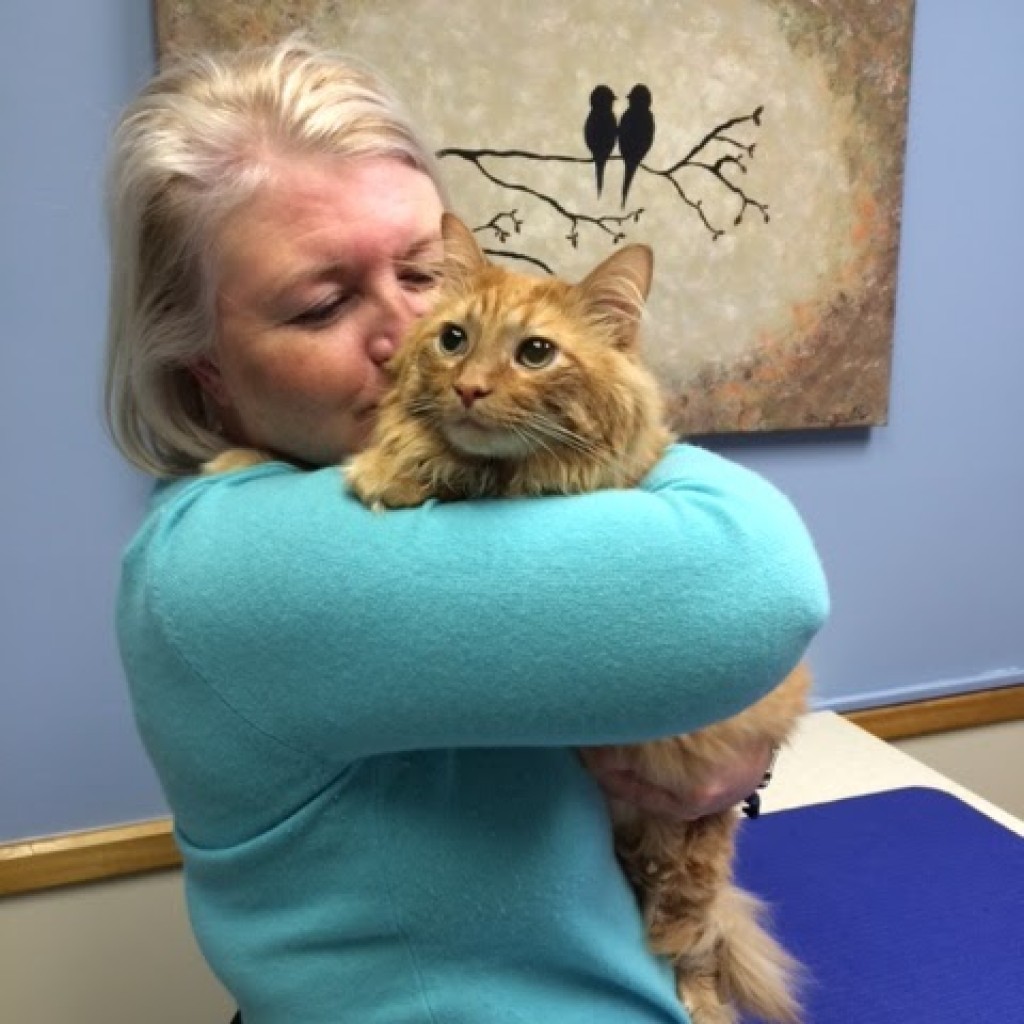
Returning home
Mom comes to pick up Laredo and take him home. The nurse and doctor discuss the instructions for his care at home and go over medications to be given at home.