New To IVC? Enjoy One $23 Intro Exam!*

20 Healthy Treat Alternatives for Overweight Dogs and Cats

Finding the right treats for pets who need to lose weight can feel confusing. Many popular snacks are packed with calories, making it harder to maintain a healthy lifestyle. This guide breaks down 20 safe, nutritious, and low-calorie alternatives that still feel like rewards.
You will learn simple food swaps, portion tips, and practical ways to keep your pet happy without slowing their progress. These ideas are easy to find in local stores and fit into daily routines without stress. If you are managing overweight pets, this list will help you make smarter choices while keeping mealtime enjoyable, especially for pet owners in Charlotte.
Why Treat Choices Matter
Treats often make up a surprising portion of a pet’s daily calorie intake. Even small extras can add up quickly. Choosing low-calorie, nutrient-rich options supports gradual weight loss while maintaining energy levels. Balanced treats also reduce begging behavior and keep pets mentally stimulated.
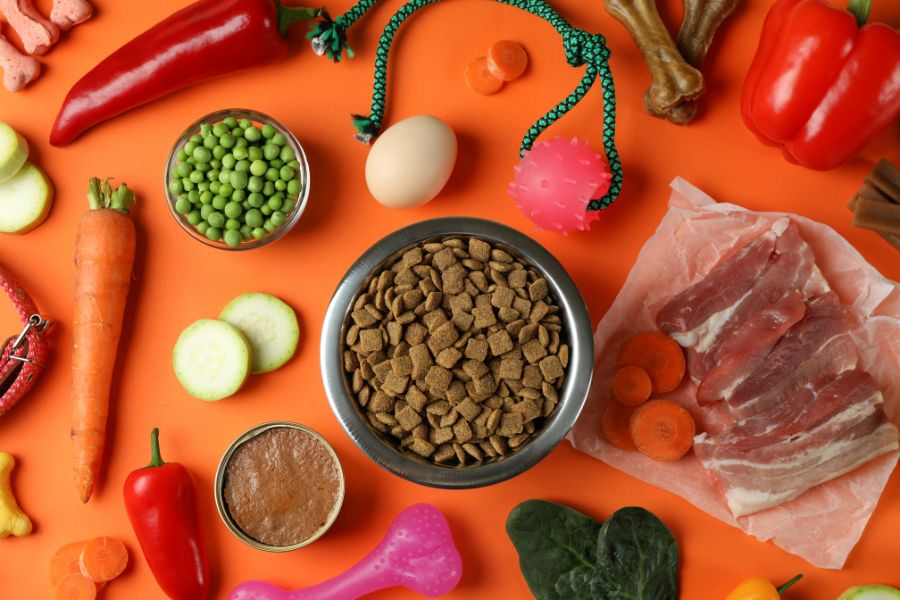
20 Healthy Treat Alternatives
1. Carrot Sticks
Crunchy, low in calories, and naturally sweet. Great for dogs and safe for most cats in tiny pieces.
2. Green Beans
Fresh or steamed green beans are filling and fiber-rich, helping pets feel satisfied longer.
3. Apple Slices (No Seeds)
A crisp, refreshing option packed with vitamins. Keep portions small.
4. Blueberries
Tiny, antioxidant-rich bites are perfect for training rewards.
5. Cucumber Slices
Hydrating and very low in calories, ideal for frequent treating.
6. Pumpkin (Plain, Cooked)
Supports digestion and adds a mild, appealing flavor.
7. Zucchini Pieces
Soft when cooked and easy to digest for both dogs and cats.
8. Spinach Leaves
Offer occasionally in small amounts for added nutrients.
9. Boiled Chicken (No Seasoning)
Lean protein that feels like a special reward without excess fat.
10. Turkey Bits
Another lean protein option, perfect for training sessions.
11. Low-Fat Cottage Cheese
A small spoonful provides protein and calcium.
12. Plain Yogurt
Supports gut health when given in moderation.
13. Air-Popped Popcorn (No Salt)
Light and crunchy, suitable for dogs in small amounts.
14. Freeze-Dried Meat Treats
High in protein with controlled portions.
15. Lettuce Pieces
Low-calorie filler that adds crunch without weight gain.
16. Bell Pepper Strips
Colorful, crunchy, and rich in vitamins.
17. Sweet Potato (Cooked)
Naturally sweet and satisfying in small cubes.
18. Eggs (Boiled)
Packed with protein and easy to portion.
19. Fish (Cooked, Boneless)
Provides healthy fats and supports skin health.
20. Commercial Low-Calorie Treats
Look for options labeled for weight management.
Portion Control Tips
Keep Treats Small
Even healthy treats can cause weight gain if overfed. Stick to bite-sized portions.
Follow the 10% Rule
Treats should not exceed 10% of daily calorie intake.
Adjust Meals Accordingly
Reduce meal portions slightly when adding treats.
Smart Treating Habits
Use Treats for Training
Reward good behavior instead of giving treats randomly.
Choose Fresh Options
Local markets in Charlotte often carry fresh produce that works perfectly as treats.
Avoid Table Scraps
Human food can be high in fat, salt, and hidden calories.
Signs Your Pet Is Getting Too Many Treats
- Weight gain despite regular exercise
- Decreased interest in meals
- Increased begging behavior
- Reduced activity levels
Recognizing these signs early helps prevent long-term health issues.
Making Treat Time Interactive
Interactive feeding keeps pets mentally engaged. Try hiding small treat portions in puzzle toys or using slow feeders. This approach reduces boredom and encourages natural behaviors like foraging.
Local Tips for Pet Owners
Charlotte pet owners often enjoy outdoor walks and park visits. Bring along healthy snacks like carrot sticks or blueberries instead of packaged treats. This keeps reward moments consistent without adding unnecessary calories. Local pet stores also carry weight-management treat options that align with healthier routines.
If you’re located in Charlotte and looking for trusted veterinary care near you, then schedule an appointment with Independence Veterinary Clinic to explore personalized nutrition plans and learn more about their full range of services by visiting their homepage.
Conclusion
Choosing better treats makes a meaningful difference in your pet’s health journey. Simple swaps like fresh vegetables and lean proteins support steady progress without sacrificing enjoyment. Small changes build lasting habits that improve energy, mobility, and overall well-being.
With consistency and mindful portions, even pets needing weight management can enjoy rewarding snack moments every day. Supporting overweight pets starts with thoughtful decisions that balance nutrition and happiness. We are conveniently located in Charlotte, NC.
Reach out to our facility at 2328 Crownpoint Executive Dr, Suite B, Charlotte, NC 28227—where compassionate care and community come together for your pet’s well-being.
Frequently Asked Questions(FAQs):
1. What are the best low-calorie treats for pets trying to lose weight?
A: Fresh vegetables like carrots, green beans, and cucumbers are excellent low-calorie options. They provide crunch and satisfaction without excess calories, making them ideal for regular treating while supporting safe and gradual weight loss.
2. Can cats safely eat fruits and vegetables as treats?
A: Some cats may enjoy small amounts of fruits like blueberries or vegetables like pumpkin. Always introduce new foods slowly and monitor reactions. Cats are obligate carnivores, so treats should remain occasional and balanced with protein-based options.
3. How often should I give treats to my pet?
A: Treats should be limited and purposeful. Use them during training or as occasional rewards. Keeping treats within 10% of daily calories helps maintain a healthy balance and prevents unwanted weight gain over time.
4. Are store-bought treats safe for pets on a diet?
A: Yes, but choose options labeled low-calorie or weight management. Check ingredient lists and avoid products with added sugars or fillers. Portion control remains important even with healthier commercial treats.
5. What foods should I avoid giving as treats?
A: Avoid fatty meats, fried foods, chocolate, grapes, onions, and heavily seasoned items. These can cause health issues or contribute to weight gain. Stick to simple, natural ingredients whenever possible.
6. How can I make treat time more engaging for my pet?
A: Use puzzle toys, hide treats around the house, or incorporate them into training games. This keeps pets mentally stimulated while slowing down consumption and making treat time more rewarding overall.
Related Articles
By Independence Veterinary Clinic