New To IVC? Enjoy One $23 Intro Exam!*

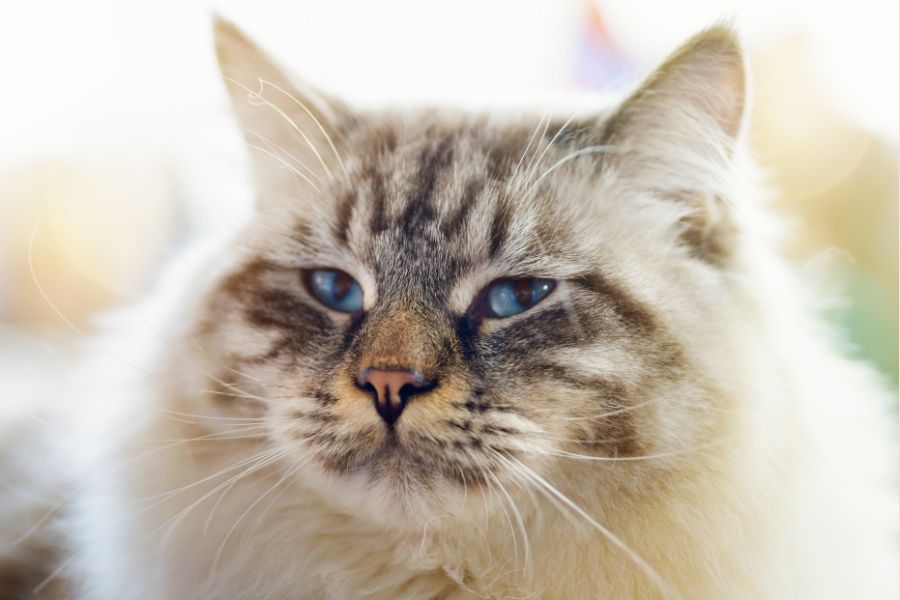
Ragamuffin cats are known for their gentle nature, plush coats, and affectionate personalities. They love being around people and often follow their owners from room to room. If you share your home with a Ragamuffin, you already know how special they are.
But like any breed, Ragamuffins come with specific health considerations. While they are generally healthy cats, certain conditions can develop over time. The good news? Most issues can be managed or even prevented with early awareness and proper care.
So what should you really watch for as a Ragamuffin owner? Let’s take a closer look.
Understanding Ragamuffin Health
Ragamuffins are a large, slow-maturing breed. They often take up to four years to reach full size. Their sturdy build and calm nature can sometimes mask underlying health concerns, which is why routine monitoring is so important.
These cats are not overly fragile, but they are prone to a few inherited and lifestyle-related conditions. Knowing what’s normal for your cat—and what isn’t—can make all the difference.
Common Ragamuffin Cat Health Issues
1. Hypertrophic Cardiomyopathy (HCM)
One of the most serious conditions seen in Ragamuffins is hypertrophic cardiomyopathy, a form of heart disease.
What happens?
The walls of the heart become thickened, making it harder for the heart to pump blood efficiently.
Signs to watch for:
- Rapid or labored breathing
- Lethargy
- Reduced appetite
- Sudden weakness or collapse
Some cats show no signs until the condition becomes advanced. That’s why regular veterinary checkups are critical.
What you can do:
Ask your vet about heart screenings, especially if your Ragamuffin has a family history of heart disease.
2. Obesity
Ragamuffins are known for their relaxed, easygoing temperament. While that makes them great companions, it also means they are less likely to stay active on their own.
Why this matters:
Weight gain can lead to diabetes, joint problems, and heart strain.
Signs of obesity:
- Difficulty jumping or moving
- Lack of a visible waistline
- Fat deposits around the abdomen
Prevention tips:
- Measure food portions carefully
- Avoid excessive treats
- Encourage daily playtime
A healthy weight is one of the easiest ways to extend your cat’s life.
3. Dental Disease
Dental issues are often overlooked but very common in Ragamuffins.
Common problems include:
- Gingivitis
- Periodontal disease
- Tooth decay
Signs to watch for:
- Bad breath
- Drooling
- Difficulty eating
- Red or swollen gums
Why it matters:
Untreated dental disease can lead to infections that affect other organs.
What helps:
- Regular dental cleanings
- Brushing your cat’s teeth
- Dental-friendly diets or treats
4. Kidney Disease
Chronic kidney disease can develop as Ragamuffins age.
Early signs can be subtle:
- Increased thirst
- Frequent urination
- Weight loss
- Decreased appetite
Why early detection is key:
Kidney disease cannot be reversed, but it can be managed effectively if caught early.
Care approach:
- Routine blood and urine tests
- Prescription diets are recommended
- Monitoring water intake
5. Urinary Tract Issues
Ragamuffins can be prone to urinary problems, including infections and blockages.
Symptoms include:
- Straining to urinate
- Frequent litter box visits
- Blood in urine
- Vocalizing while urinating
This is a condition that requires immediate attention. Urinary blockages, especially in male cats, can become life-threatening quickly.
Prevention tips:
- Ensure access to fresh water
- Provide a clean litter box
- Feed a balanced diet
6. Joint and Mobility Issues
Because Ragamuffins are larger cats, their joints can experience extra strain over time.
Common concerns:
- Arthritis
- Reduced mobility
Signs to watch for:
- Hesitation to jump
- Stiffness after resting
- Less interest in play
Support strategies:
- Maintain a healthy weight
- Provide soft bedding
- Use ramps or steps for easier access
Grooming and Skin Health
Ragamuffins have thick, plush coats that feel soft and luxurious. While they don’t mat as easily as some long-haired breeds, they still require regular grooming.
Why grooming matters:
- Prevents tangles and matting
- Reduces shedding
- Helps you spot skin issues early
Watch for:
- Dry or flaky skin
- Hair loss
- Parasites like fleas
Brushing your Ragamuffin a few times a week keeps its coat healthy and gives you a chance to check for any unusual changes.
Nutrition and Preventive Care
A balanced diet plays a major role in preventing many health issues.
Key points to focus on:
- High-quality protein sources
- Controlled calorie intake
- Proper hydration
Routine care should include:
- Annual or biannual vet visits
- Vaccinations
- Parasite prevention
If you ever feel unsure about your cat’s health or diet, it’s always best to consult a professional. You can also visit our website for guidance on maintaining your pet’s overall well-being.
Behavioral Changes: A Hidden Clue
Ragamuffins are known for their friendly and social behavior. So when their personality changes, it’s often a sign that something is wrong.
Pay attention to:
- Withdrawal or hiding
- Aggression
- Changes in sleeping patterns
- Reduced interaction
Cats are good at hiding pain. Subtle behavior shifts are often the first warning sign.
When Should You See a Vet?
You don’t need to panic over every small change, but some signs should never be ignored.
Seek veterinary care if you notice:
- Sudden weight loss or gain
- Difficulty breathing
- Persistent vomiting or diarrhea
- Changes in urination
- Lethargy lasting more than a day
Early care leads to better outcomes. Waiting too long can turn a manageable issue into a serious one.
Conclusion: Keeping Your Ragamuffin Healthy
Ragamuffins bring warmth, companionship, and calm energy into any home. Taking care of their health is part of returning that love.
By staying aware of common Ragamuffin health issues, you can catch problems early and take action before they become severe. Focus on routine care, balanced nutrition, and paying attention to changes in behavior.
Your role as an owner is simple but important: observe, respond, and provide consistent care.
If you ever feel uncertain, don’t guess—reach out to a trusted veterinary professional. A small step today can protect your Ragamuffin’s health for years to come.
FAQs About Ragamuffin Cat Health:
1. Are Ragamuffin cats generally healthy?
A: Yes, Ragamuffins are considered a healthy breed, but they can be prone to certain conditions like heart disease and obesity.
2. How long do Ragamuffin cats live?
A: With proper care, Ragamuffins typically live between 12 and 16 years.
3. Do Ragamuffins require a special diet?
A: They don’t need a breed-specific diet, but portion control and high-quality nutrition are important to prevent weight gain.
4. How often should I take my Ragamuffin to the vet?
A: At least once a year for routine checkups. Older cats or those with health concerns may need more frequent visits.
5. Are Ragamuffins prone to heart disease?
A: Yes, hypertrophic cardiomyopathy is a known concern. Regular screenings can help detect it early.
6. How can I tell if my Ragamuffin is overweight?
A: You may notice a lack of a defined waist, difficulty moving, or reduced activity levels.