New To IVC? Enjoy One $23 Intro Exam!*

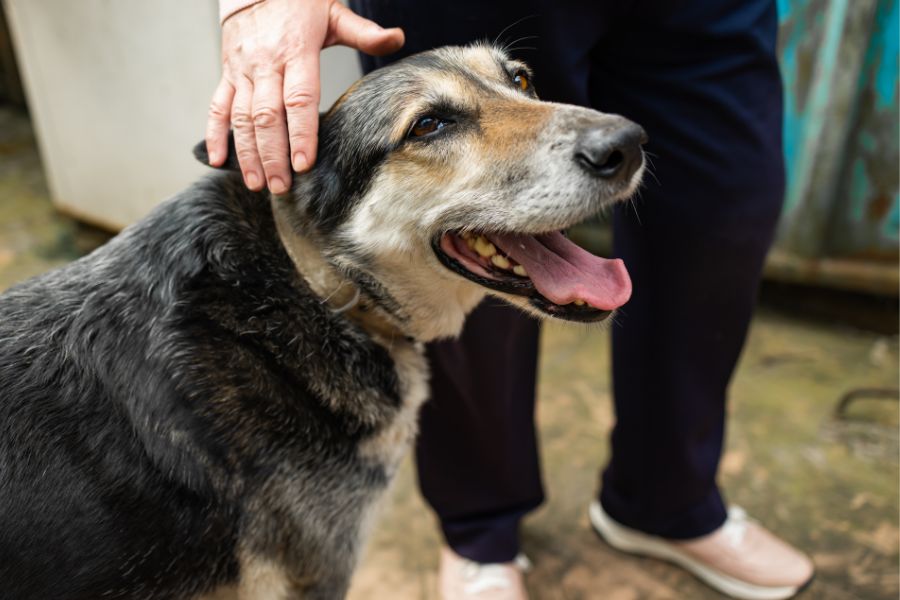
Pets grow older much faster than humans, and because of this, their health needs tend to change quickly. Although aging is a natural process, the early signs are often subtle and easy to miss. When these signs are identified early, proactive steps can be taken to improve a pet’s comfort, mobility, and overall well-being.
This guide has been created to help pet owners understand the early indicators of aging and learn how to support their furry companions throughout these changes.
Understanding How Pets Age
Every pet ages differently. While large-breed dogs may show signs of aging as early as age five, small-breed dogs and cats may not show noticeable changes until they are eight or older. Moreover, genetics, lifestyle, nutrition, and overall health play major roles in how quickly aging occurs. Therefore, owners should remain observant, as even slight changes may be early indicators of age-related decline.
Behavioral Changes That May Indicate Aging
One of the first signs that aging has begun is a behavioral change. Even though these shifts may appear minor, they are often meaningful.
1. Increased Irritability or Anxiety
Older pets may become more sensitive to noise or changes in their environment. This may be due to declining vision, hearing loss, or cognitive changes.
2. Sleeping More Than Usual
As pets age, more rest is often required. While this is normal, sudden increases in sleep duration may signal pain, illness, or decreased energy levels.
3. Decreased Social Interaction
Pets who were previously active and affectionate may withdraw or seek solitude. Even though this may seem like a simple personality shift, it frequently indicates discomfort or cognitive changes.
4. Confusion or Disorientation
Occasionally, aging pets may seem lost in familiar places or forget routine commands. This may be an early sign of cognitive dysfunction syndrome, which is similar to dementia in humans.
Because behavioral changes can be subtle, keeping a journal or taking note of patterns can be extremely helpful when discussing concerns with a veterinarian.
Physical Signs That Your Pet May Be Aging
In addition to behavioral changes, several physical indicators often appear as pets enter their senior years.
1. Changes in Mobility
Stiffness when getting up, reluctance to jump, or limping may suggest joint pain or arthritis. Although these symptoms are common in senior pets, they should not be ignored. Early treatment can significantly improve mobility and comfort.
2. Weight Gain or Weight Loss
Fluctuations in weight usually signal underlying health concerns. Weight gain may result from a slower metabolism, while weight loss may indicate dental problems, thyroid disorders, or chronic illness.
3. Declining Vision or Hearing
Cloudy eyes, bumping into objects, or failing to respond to their name may indicate sensory loss. While these issues develop gradually, they can impact a pet’s safety and quality of life.
4. Changes in Coat and Skin Condition
Dull fur, hair loss, or dry skin are often associated with aging. However, these changes may also point to nutritional deficiencies or medical conditions that require attention.
5. Bad Breath or Dental Issues
Dental disease is extremely common in senior pets and may lead to pain, difficulty eating, and systemic infections if left untreated. Early dental care plays a vital role in maintaining overall health.
Cognitive Decline: What Owners Should Watch For
Cognitive dysfunction is one of the most overlooked aspects of senior pet health. Because symptoms appear slowly, they are often mistaken for normal aging. However, early recognition is essential.
Common signs include:
-
Pacing or restlessness at night
-
Forgetting learned behaviors or routines
-
Difficulty recognizing familiar people
-
Increased vocalization
-
Reduced responsiveness
Although cognitive decline cannot be completely reversed, early treatment, mental stimulation, and dietary support can slow progression and improve quality of life.
Why Early Detection Matters
When senior-related changes are recognized early, effective strategies can be implemented to manage symptoms and delay further decline. Early detection allows veterinarians to:
-
Adjust diets to support aging joints and organs
-
Recommend supplements for cognitive and mobility support
-
Provide medications that minimize discomfort
-
Suggest lifestyle modifications to reduce stress
-
Create customized wellness plans tailored to the pet’s age and needs
Moreover, catching health problems early often leads to easier treatment and lower long-term costs.
How Owners Can Support an Aging Pet
Although aging cannot be stopped, several simple steps can be taken to help pets stay comfortable and active.
1. Schedule Regular Veterinary Checkups
Senior pets should be seen more frequently, as early diagnosis of medical conditions leads to better outcomes. A trusted professional, such as Charlotte Veterinary, may evaluate changes and guide you through appropriate care options.
2. Maintain a Healthy Diet
A balanced diet that supports joint health, digestion, and energy levels is essential. Senior-specific pet foods are formulated to meet the nutritional needs of aging animals.
3. Adjust Exercise Routines
Although exercise remains vital, routines should be tailored to your pet’s ability. Shorter, more frequent walks or low-impact play sessions may be more appropriate.
4. Prioritize Comfort at Home
Soft bedding, easy-access litter boxes, ramps, and non-slip flooring can make daily life easier. Since mobility often decreases with age, these accommodations reduce the risk of injury.
5. Encourage Mental Stimulation
Puzzle toys, training exercises, and new activities help keep the mind sharp. Mental engagement is especially important for pets showing early cognitive decline.
6. Monitor for New or Worsening Symptoms
As pets age, their conditions may change rapidly. Therefore, owners should monitor appetite, mobility, bathroom habits, and energy levels closely.
Aging is a natural phase of every pet’s life, but recognizing the early signs can make a tremendous difference in their comfort and happiness. Although the symptoms may develop slowly, consistent observation and timely veterinary care ensure that pets receive the support they need as they transition into their senior years. With proper guidance, nutrition, and attention, older pets can continue to live fulfilling and joyful lives.

