New To IVC? Enjoy One $23 Intro Exam!*

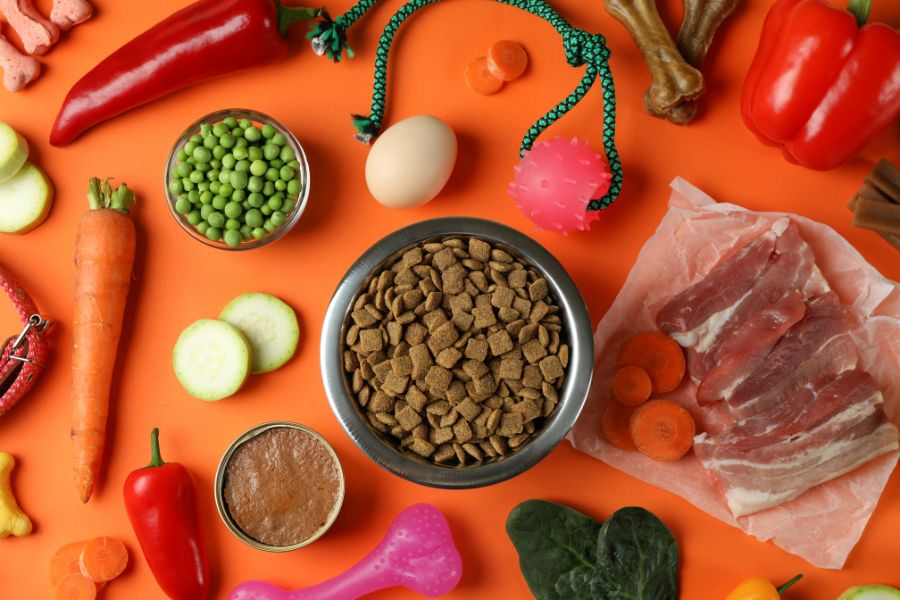
Has your dog been scratching incessantly, dealing with recurring ear infections, or experiencing stomach problems that persist despite treatment? If so, food allergies may be part of the problem. Finding the right diet can feel frustrating when every meal seems to trigger another reaction.
One option that often comes up during allergy testing is hydrolyzed protein dog food. But what exactly is it, and why is it different from regular dog food?
Hydrolyzed protein diets are specially made to reduce the chance of the immune system reacting to certain proteins. They are commonly used during food elimination trials and for long-term nutrition in dogs with confirmed food allergies.
In this guide, you’ll learn how hydrolyzed protein dog food works, when it’s recommended, its benefits and limitations, and what to expect if your dog starts eating it.
What Is Hydrolyzed Protein Dog Food?
Hydrolyzed protein dog food is a specially formulated diet where the protein has been broken down into very small pieces called peptides. This process is known as hydrolysis.
Normally, a dog’s immune system can recognize whole protein molecules from ingredients like chicken, beef, dairy, or soy. In dogs with food allergies, the immune system mistakenly identifies these proteins as harmful and starts an allergic reaction.
When proteins are hydrolyzed, they become so small that the immune system usually cannot recognize them. As a result, many allergic dogs can eat the food without triggering symptoms.
These diets are available by prescription because they are designed for dogs with specific medical conditions rather than healthy pets looking for a new food.
How Does Hydrolyzed Protein Dog Food Work?
Think of a protein like a large puzzle.
A dog’s immune system recognizes the complete puzzle and reacts to it. Hydrolysis breaks that puzzle into tiny individual pieces that no longer look familiar to the immune system.
Since the immune system cannot identify these tiny fragments as allergens, it doesn’t launch an allergic response.
This helps reduce symptoms such as:
- Constant itching
- Red or inflamed skin
- Chronic ear infections
- Paw licking and chewing
- Vomiting
- Diarrhea
- Excessive gas
The diet does not “cure” allergies. Instead, it removes the trigger that causes the immune response.
Why Would a Dog Need Hydrolyzed Protein Dog Food?
Food allergies are less common than environmental allergies, but they can still affect dogs of any breed or age.
A healthcare team may recommend hydrolyzed protein food if a dog has ongoing symptoms without another clear cause.
Common reasons include:
1. Suspected Food Allergies
Dogs with food allergies often experience:
- Year-round itching
- Repeated ear infections
- Skin inflammation
- Hair loss
- Digestive upset
These signs can continue even after flea control and treatment for skin infections.
2. Food Elimination Trials
Hydrolyzed diets are considered one of the most reliable foods for an elimination diet.
During the trial, dogs eat only the prescribed food for about 8 to 12 weeks. No treats, flavored medications, table scraps, or chew toys containing animal proteins are allowed.
If symptoms improve during the trial and return after the original food is reintroduced, food allergies become much more likely.
3. Long-Term Allergy Management
Some dogs stay on hydrolyzed diets for years because they continue to do well and remain comfortable.
This approach supports ongoing diet management for dogs while minimizing allergic flare-ups.
Common Ingredients in Hydrolyzed Protein Dog Food
Although every manufacturer uses different formulas, these diets usually contain:
- Hydrolyzed chicken protein
- Hydrolyzed soy protein
- Hydrolyzed salmon protein
- Purified carbohydrates
- Essential fatty acids
- Vitamins and minerals
- Fiber for digestive health
The goal is to provide complete and balanced nutrition while lowering the risk of allergic reactions.
What Conditions Can Hydrolyzed Protein Diets Help?
Hydrolyzed protein diets are most commonly used for food allergies, but they may also help dogs with other digestive conditions.
1. Food Allergies
This is the primary reason these diets are prescribed.
Signs often include:
- Itchy skin
- Ear infections
- Face rubbing
- Paw chewing
- Skin redness
2. Food Sensitivities
Not every dog has a true allergy.
Some dogs have food intolerances that cause digestive discomfort without involving the immune system.
Hydrolyzed diets can still help reduce stomach upset in some cases.
3. Chronic Digestive Problems
Dogs with ongoing digestive issues may benefit from carefully formulated diets that are easier to digest.
Some cases of inflammatory bowel disease (IBD) are managed with hydrolyzed protein diets as part of a larger treatment plan.
Benefits of Hydrolyzed Protein Dog Food
Many dogs experience noticeable improvements once they start eating the correct diet.
Some of the biggest benefits include:
1. Reduced Itching
One of the first improvements owners notice is less scratching and chewing.
2. Better Skin Health
Healthier skin often follows fewer allergic reactions.
This can lead to:
- Less redness
- Fewer skin infections
- Improved coat quality
- Better healing
3. Improved Digestion
Many dogs have:
- Firmer stools
- Less vomiting
- Less diarrhea
- Reduced gas
4. Complete Nutrition
Prescription hydrolyzed diets are formulated to provide balanced nutrition when fed as directed.
Are There Any Drawbacks?
Like any medical diet, hydrolyzed protein foods are not perfect.
Some possible downsides include:
1. Higher Cost
Prescription diets usually cost more than regular dog food because of the specialized manufacturing process.
2. Strict Feeding Rules
Even one flavored treat can interrupt an elimination trial.
Everyone in the household needs to follow the feeding plan carefully.
3. Taste Preferences
Some dogs accept the food immediately.
Others may need a gradual transition before they willingly eat it.
Hydrolyzed Protein vs Limited Ingredient Diet
Many people confuse these two diets, but they serve different purposes.
| Hydrolyzed Protein Diet | Limited Ingredient Diet |
|---|---|
| Protein is broken into tiny peptides | Uses fewer whole protein ingredients |
| Designed for allergy diagnosis and management | Often used for food sensitivities |
| Usually prescription only | Available over the counter and by prescription |
| Less likely to trigger immune reactions | May still contain recognizable proteins |
A limited ingredient diet works well for some dogs, but hydrolyzed protein diets are generally considered more reliable during elimination trials.
How Long Does It Take to See Results?
Most dogs do not improve overnight.
Many begin showing changes within several weeks.
For accurate allergy testing, dogs typically remain on a hydrolyzed diet for 8 to 12 weeks, avoiding all other foods during this period.
Skin problems often improve more slowly than digestive signs.
Consistency matters more than speed.
Can Every Dog Eat Hydrolyzed Protein Dog Food?
Technically, yes.
Healthy dogs can digest hydrolyzed protein food.
However, these diets are designed for dogs with medical needs rather than healthy pets.
If your dog has no signs of food allergies or digestive disease, there may be no advantage to switching.
A professional evaluation can help determine whether a prescription diet is appropriate. Many clinics offering pet nutrition counseling can guide owners through food allergy testing, elimination diets, and long-term feeding plans.
Tips for Success During a Food Trial
If your dog starts a hydrolyzed diet, following the plan closely gives the best chance of finding answers.
Keep these tips in mind:
- Feed only the prescribed food.
- Avoid table scraps.
- Do not offer flavored treats unless approved.
- Check medications for hidden flavorings.
- Inform family members about the feeding restrictions.
- Track improvements in itching, digestion, and skin health.
Small mistakes can affect the results, so consistency is important.
Conclusion
Hydrolyzed protein dog food is one of the most effective dietary tools for identifying and managing food allergies in dogs. By breaking proteins into tiny pieces, these diets reduce the chance that the immune system will recognize them as allergens. That can lead to healthier skin, improved digestion, and greater comfort for dogs struggling with food-related reactions.
While these diets are not necessary for every dog, they play an important role when persistent itching, ear infections, or digestive problems suggest a food allergy. Following the feeding plan carefully gives the clearest results and helps determine whether food is contributing to your dog’s symptoms. With the right diagnosis and nutrition plan, many dogs experience lasting relief and enjoy a better quality of life.
Frequently Asked Questions(FAQs):
1. What is hydrolyzed protein dog food used for?
A: Hydrolyzed protein dog food is primarily used to diagnose and manage food allergies. It is also used during elimination diet trials and may help some dogs with chronic digestive problems.
2. How long should a dog stay on a hydrolyzed protein diet?
A: Many elimination trials last between 8 and 12 weeks. Dogs diagnosed with food allergies may remain on the diet long term if it successfully controls their symptoms.
3. Can hydrolyzed protein dog food cure food allergies?
A: No. It does not cure allergies. It helps prevent allergic reactions by reducing exposure to proteins that trigger the immune system.
4. Is hydrolyzed protein dog food safe for puppies?
A: Some hydrolyzed diets are formulated for growing dogs, while others are intended for adults. The appropriate choice depends on the individual puppy’s nutritional needs.
5. Can dogs eat treats while on a hydrolyzed protein diet?
A: During an elimination trial, dogs should only eat approved foods and treats that match the prescribed diet. Regular treats can interfere with accurate results.