New To IVC? Enjoy One $23 Intro Exam!*

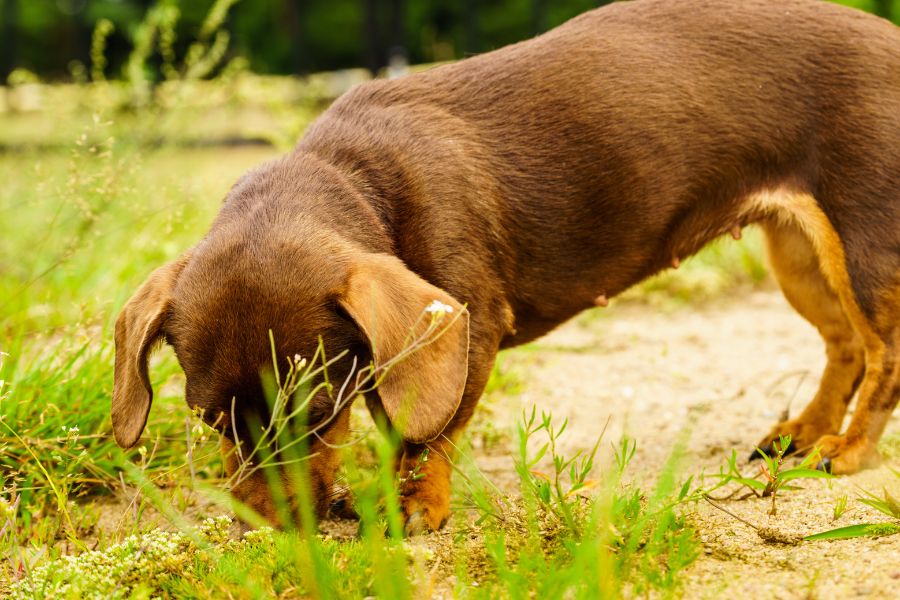
Dogs munching on grass can be puzzling — especially when they overdo it. While occasional nibbling is usually harmless, excessive grass eating might signal underlying issues. This guide walks you through what to do if your dog eats too much grass and how to keep your furry friend healthy and happy.
When Grass Becomes a Concern: Signs and Symptoms to Watch
If your dog is eating grass excessively, watch for signs such as vomiting, lethargy, diarrhea, or refusal to eat regular food. Some dogs eat grass to soothe an upset stomach or relieve bile irritation, but frequent vomiting or discomfort means it’s time to consult a veterinarian. Especially if your dog seems unwell before or after grass consumption, a professional assessment is crucial.
Why Dogs Gobble Grass: Uncovering the Motivations
Dogs eat grass for several reasons. Some might be seeking fiber missing from their diet, while others might be trying to induce vomiting to alleviate stomach discomfort. Boredom and anxiety can also drive this behavior, as can simply enjoying the texture and taste of fresh grass. Understanding why your dog eats grass helps determine the best response.
Simple Steps to Manage Excessive Grass Eating
Start by ensuring your dog’s diet is well-balanced and rich in fiber. Feeding small meals early in the morning and late at night can help reduce bile buildup that triggers grass eating. Engage your dog with regular play, exercise, and interactive toys to combat boredom. If your dog prefers certain types of grass, consider providing safe, pesticide-free options in your yard.
When to Seek Help: Visiting the Veterinary Clinic in Charlotte, NC
If your dog’s grass eating is accompanied by persistent vomiting, lethargy, or other signs of distress, it’s time to visit a veterinary clinic in Charlotte, NC. The vet can rule out medical conditions like gastric reflux, pancreatitis, or inflammatory bowel disease and provide targeted treatment. Early intervention ensures your dog stays healthy and comfortable.
Preventing Grass Eating: Positive Reinforcement and Redirection
Use positive reinforcement to discourage grass-eating behaviors. Redirect your dog’s attention to toys or training exercises, rewarding them when they engage in these activities instead of grazing. Consistent training paired with health monitoring can break the grass-eating habit and improve your dog’s overall well-being.
With attentive care and understanding, you can manage your dog’s grass eating effectively. Always monitor their health closely and don’t hesitate to reach out to a veterinary clinic in Charlotte, NC, for personalized advice and treatment options. Your dog’s well-being is worth every effort.
Frequently Asked Questions (FAQs)
1. Does my dog eating grass mean something?
A: Dogs eating grass can indicate various things, from normal behavioral instincts to possible health issues like dietary deficiencies or digestive discomfort. If it happens occasionally, it’s usually harmless, but frequent grass eating should be checked by a vet.
2. Is it okay to let my dog eat grass if they want to?
A: Allowing your dog to occasionally eat grass is generally safe if the grass is free from pesticides and chemicals. However, if the behavior is excessive or linked with illness, it’s best to discourage it and seek veterinary advice.
3. What nutritional deficiencies cause grass eating in dogs?
A: Dogs might eat grass if they lack certain nutrients like fiber, vitamins, or minerals in their diet. A high-quality, balanced diet usually prevents this behavior, but if deficiencies are suspected, consulting a vet for diet adjustments is helpful.
4. Do dogs eat grass because they are sick?
A: Some dogs may eat grass to soothe an upset stomach or induce vomiting if they feel nauseous. However, most dogs aren’t actually sick before eating grass, so the behavior is often normal. Persistent grass eating alongside illness signs warrants veterinary evaluation.