New To IVC? Enjoy One $23 Intro Exam!*

How to Train Your Cat to Stop Scratching the Couch
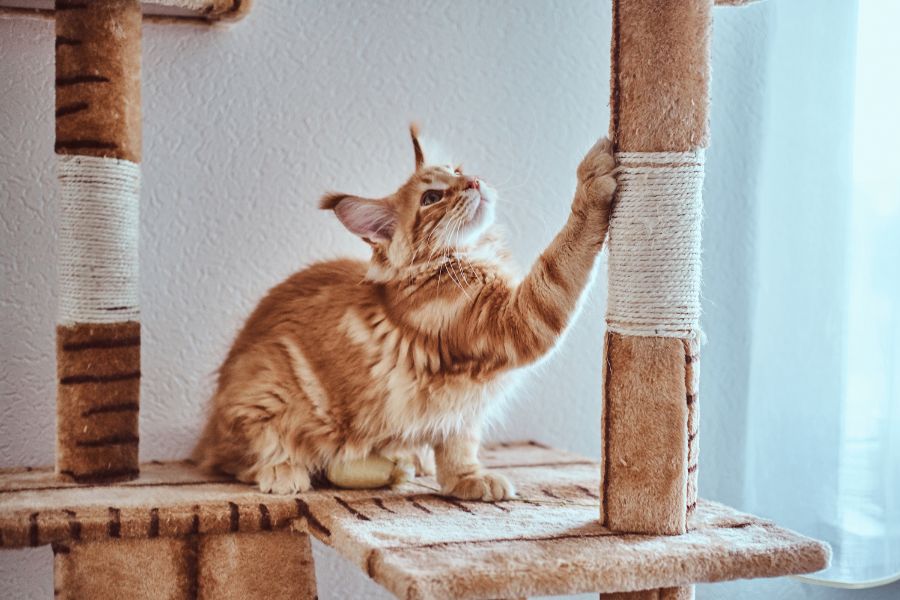
If your cat has turned your couch into a scratching post, you’re not alone. Many cat owners face this challenge, and it can feel frustrating when your furniture takes the hit. The good news is that scratching is a natural behavior, not a sign of bad manners. With the right approach, you can guide your cat toward better habits without stress or punishment.
This guide takes a clear and practical look at how to stop cats from scratching furniture, why they do it, and how you can create a home that works for both you and your pet.
Why Do Cats Scratch Furniture?
Before you try to fix the behavior, it helps to understand what’s behind it. Scratching is not random. It serves real physical and emotional needs for your cat.
1. Claw Health and Maintenance
Cats scratch to remove the outer layer of their claws. This keeps their claws sharp and healthy. Without regular scratching, claws can become overgrown or uncomfortable.
2. Marking Territory
Cats have scent glands in their paws. When they scratch, they leave both a visual mark and a scent signal. This helps them feel secure in their environment.
3. Stretching and Exercise
Scratching gives cats a full-body stretch. It helps their muscles stay flexible and active, especially for indoor cats.
4. Stress Relief
If your cat feels anxious or bored, scratching can act as an outlet. Changes in routine, new pets, or unfamiliar visitors can trigger this behavior.
Understanding these reasons makes it easier to approach training with patience. Your goal is not to stop scratching altogether, but to redirect it.
How Do I Stop Cat Scratching Furniture?
When people ask, “How do I stop cat scratching furniture?” they often look for a quick fix. The truth is, lasting results come from consistent training and the right setup.
Step 1: Provide the Right Scratching Alternatives
Your cat needs a better option than your couch. A scratching post or pad should be:
-
Tall enough for a full stretch
-
Sturdy and stable
-
Covered in materials like sisal, cardboard, or rough fabric
Place scratching posts near areas your cat already uses, like next to the couch or near sleeping spots. Cats often scratch when they wake up, so location matters.
Step 2: Make Furniture Less Appealing
Cats prefer certain textures. You can make your furniture less attractive by:
-
Using double-sided tape on the scratching areas
-
Adding furniture covers or slipcovers
-
Trying pet-safe deterrent sprays
These changes don’t harm your cat but help break the habit over time.
Step 3: Reward Positive Behavior
When your cat uses the scratching post, reward them right away. Use:
-
Treats
-
Gentle praise
-
Playtime
Cats respond well to positive reinforcement. Over time, they will associate the scratching post with a good experience.
Step 4: Redirect, Don’t Punish
If you catch your cat scratching the couch, calmly redirect them to the scratching post. Avoid yelling or physical correction. This can create fear and damage trust.
Consistency is key. Every time you guide them to the right spot, you reinforce the behavior you want.
How to Stop Cats from Scratching Furniture Without Stress
Training should feel manageable, not overwhelming. These methods help you stay consistent without frustration.
1. Use Multiple Scratching Options
Some cats prefer vertical posts, while others like horizontal pads. Offering both increases your chances of success.
2. Trim Your Cat’s Nails Regularly
Shorter nails cause less damage. Trim your cat’s claws every 2–3 weeks or as needed.
3. Add Enrichment to Reduce Boredom
Bored cats scratch more. Keep your cat engaged with:
-
Interactive toys
-
Climbing trees
-
Window perches
A stimulated cat is less likely to focus on your furniture.
4. Try Soft Nail Caps
These are small covers placed over your cat’s claws. They reduce damage while you work on training.
Common Mistakes to Avoid
Training takes time, and certain mistakes can slow progress.
1. Expecting Instant Results
Cats learn through repetition. Give the process time and stay consistent.
2. Using Punishment
Punishment doesn’t teach your cat what to do. It only creates confusion or fear.
3. Ignoring the Root Cause
If your cat is scratching due to stress or boredom, training alone won’t solve the issue. Address the underlying cause.
4. Poor Placement of Scratching Posts
If the post is hidden or inconvenient, your cat will ignore it. Keep it visible and easy to access.
When Scratching May Signal a Bigger Issue
In some cases, excessive scratching may be linked to anxiety, skin irritation, or behavioral changes. If you notice:
-
Sudden increase in scratching
-
Signs of stress or hiding
-
Changes in appetite or grooming
It may be time to seek professional advice. You can visit our website to learn more about when veterinary support may be needed and how to recognize early warning signs.
Creating a Cat-Friendly Home
The best long-term solution is to design your home with your cat’s needs in mind.
1. Build a Routine
Cats feel secure with predictable routines. Feed, play, and interact with your cat at consistent times.
2. Provide Safe Spaces
Give your cat quiet areas where they can relax without disturbance.
3. Encourage Natural Behavior
Scratching, climbing, and exploring are normal. When you support these behaviors in the right way, unwanted habits decrease.
A Simple Training Plan You Can Follow
If you’re unsure where to start, use this step-by-step plan:
-
Place a scratching post next to the couch
-
Cover the couch corner with double-sided tape
-
Guide your cat to the post when they approach the couch
-
Reward them immediately for using the post
-
Repeat daily and stay consistent
Within a few weeks, many cats begin to prefer the scratching post over furniture.
Conclusion: A Better Approach to Protecting Your Furniture
Learning how to stop cats from scratching furniture comes down to understanding your cat and clearly guiding their behavior. Scratching is not something to eliminate. It’s something to manage.
By providing the right outlets, rewarding good habits, and making small changes at home, you can protect your furniture without stress. Stay patient, stay consistent, and focus on what your cat needs.
If you notice unusual behavior or need extra guidance, professional support can help you move forward with confidence. When you’re ready, you can book an appointment to discuss your cat’s behavior and overall well-being with a trusted veterinary team.
With the right approach, you and your cat can live comfortably—no scratched couch required.
FAQs: How to Stop Cats from Scratching Furniture
1. How long does it take to train a cat to stop scratching furniture?
Most cats show improvement within 2–4 weeks with consistent training. Some may take longer depending on habits and environment.
2. What type of scratching post is best?
A sturdy post with sisal material works well for most cats. Height and stability are more important than design.
3. Do deterrent sprays really work?
Yes, many cats avoid surfaces with pet-safe deterrent sprays. They work best when combined with training and alternatives.
4. Is declawing a good solution?
Declawing is not recommended. It can cause pain and long-term behavioral issues. Training and redirection are safer options.
5. Can older cats learn to stop scratching furniture?
Yes, cats of all ages can learn new habits. Older cats may take a bit more time, but consistency works.
6. Why does my cat ignore the scratching post?
It may be the wrong type, location, or material. Try different options and place them near areas your cat already uses.