New To IVC? Enjoy One $23 Intro Exam!*

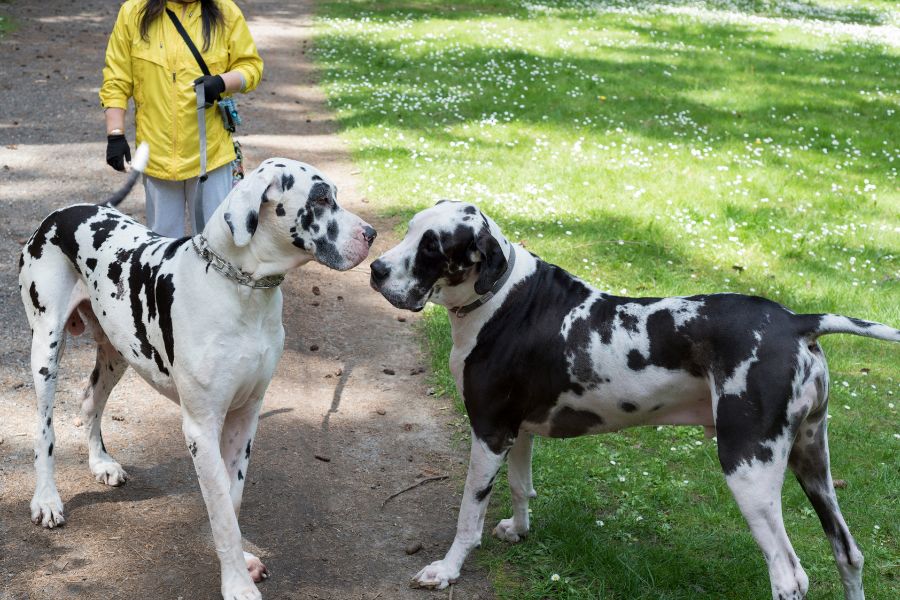
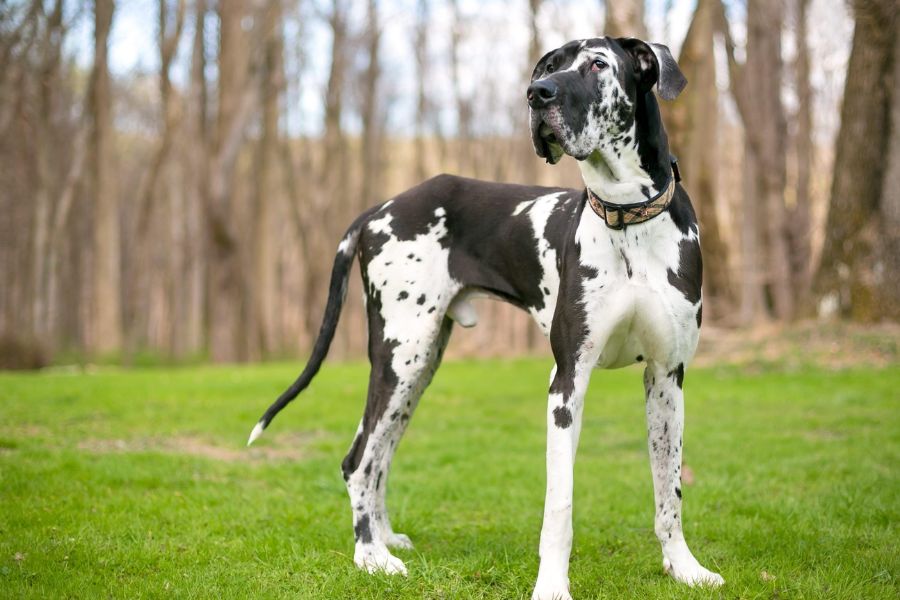
If you share your life with a Great Dane, you already know they are more than just large dogs—they’re loyal companions with gentle personalities and a strong emotional bond with their families. One of the most common concerns owners have is understanding the life expectancy of Great Dane dogs and how to give them the longest, healthiest life possible.
This guide walks you through what to expect, what affects their lifespan, and what you can do today to support your dog’s well-being.
Understanding the Life Expectancy of Great Dane Dogs
The life expectancy of Great Dane dogs is generally shorter than that of many other breeds. On average, Great Danes live 7 to 10 years.
This may feel brief compared to smaller breeds, but it reflects the reality of giant dog breeds. Larger dogs grow rapidly, and their bodies age faster. While you cannot change genetics, you can influence how healthy and comfortable those years are.
Why Do Great Danes Have a Shorter Lifespan?
1. Rapid Growth and Body Size
Great Danes grow quickly, reaching massive sizes in a short time. This rapid development puts stress on their bones, joints, and internal organs.
2. Higher Risk of Certain Health Conditions
The life expectancy of Great Dane dogs is closely linked to breed-specific health risks, including:
- Bloat (Gastric Dilatation-Volvulus or GDV)
- Heart disease, especially dilated cardiomyopathy
- Joint issues like hip dysplasia
- Bone cancer (osteosarcoma)
These conditions can develop suddenly or progress over time, affecting lifespan if not managed early.
3. Metabolic Demands
Large breeds require more energy to maintain their body functions, which can place added strain on organs over time.
Key Factors That Influence Lifespan
While genetics play a role, daily care has a major impact on the life expectancy of Great Dane dogs.
1. Nutrition Matters
A balanced diet supports healthy growth and prevents obesity, which can shorten lifespan.
- Choose high-quality, large-breed-specific food
- Avoid overfeeding during puppy growth stages
- Maintain a healthy weight throughout adulthood
2. Exercise and Activity
Great Danes need moderate exercise to stay fit without stressing their joints.
- Daily walks
- Controlled playtime
- Avoid excessive jumping or high-impact activities
3. Preventive Veterinary Care
Routine check-ups help detect problems early.
- Annual or bi-annual exams
- Vaccinations and parasite prevention
- Early screening for heart and joint issues
If your dog shows signs like fatigue, loss of appetite, or swelling, don’t wait—visit our website to learn more about when veterinary care is needed and how to take the next step.
Common Health Concerns in Great Danes
1. Bloat (GDV)
This is one of the most serious risks. It can become life-threatening within hours.
Signs include:
- Distended abdomen
- Restlessness
- Unsuccessful attempts to vomit
Immediate veterinary care is critical.
2. Heart Disease
Dilated cardiomyopathy is common in large breeds.
Watch for:
- Weakness
- Coughing
- Shortness of breath
Early diagnosis can extend your dog’s life.
3. Joint and Bone Issues
Because of their size, Great Danes often face joint stress.
- Use joint supplements if recommended
- Provide soft bedding
- Avoid slippery floors
Life Stages of a Great Dane
Understanding each stage helps you support the life expectancy of Great Dane dogs more effectively.
1. Puppy Stage (0–2 Years)
- Rapid growth phase
- Requires careful feeding and controlled exercise
- Early training and socialization are important
2. Adult Stage (2–6 Years)
- Peak health and energy
- Maintain a consistent diet and exercise
- Monitor for early signs of health conditions
3. Senior Stage (6+ Years)
- Slower movement and lower energy
- Increased need for veterinary monitoring
- Adjust diet and lifestyle for comfort
How to Help Your Great Dane Live Longer
You cannot control everything, but these steps can make a real difference in the life expectancy of Great Dane dogs.
1. Feed Smart
Stick to portion control and avoid table scraps. Obesity shortens lifespan and increases joint stress.
2. Schedule Regular Vet Visits
Early detection is one of the most powerful tools in extending your dog’s life.
3. Monitor Behavior Changes
Subtle changes often signal underlying issues.
- Reduced activity
- Changes in eating habits
- Unusual breathing
4. Create a Safe Environment
- Provide non-slip flooring
- Use raised feeding bowls if recommended
- Ensure a calm eating environment to reduce bloat risk
5. Consider Preventive Procedures
Some owners discuss preventive surgery for bloat risk (gastropexy) with their veterinarian.
Emotional Well-Being Matters Too
Great Danes are deeply connected to their families. Emotional health plays a role in overall well-being.
- Spend quality time daily
- Provide mental stimulation
- Maintain a consistent routine
A happy dog is often a healthier dog.
Signs Your Great Dane May Be Aging Faster
Pay attention to these warning signs that may impact the life expectancy of Great Dane dogs:
- Sudden weight loss or gain
- Difficulty standing or walking
- Labored breathing
- Persistent coughing
- Loss of interest in activities
Early action can improve the quality of life and extend the time with your pet.
Making Informed Decisions for Your Dog’s Health
Understanding the life expectancy of Great Dane dogs helps you make better decisions about care, nutrition, and medical support. It also helps set realistic expectations while focusing on quality of life.
Every Great Dane is unique. Some may live beyond the average with proper care, while others may face health challenges earlier. The goal is not just to add years, but to ensure those years are comfortable and meaningful.
Conclusion: Give Your Great Dane the Best Life Possible
The life expectancy of Great Dane dogs may be shorter than that of other breeds, but their impact on your life is unmatched. With attentive care, early intervention, and a thoughtful approach to their health, you can help your dog live a fuller, healthier life.
If you have concerns about your dog’s health or want guidance tailored to their needs, now is the time to act. Stay proactive, stay informed, and don’t delay important care.
Book an appointment today to discuss your Great Dane’s health and create a care plan that supports their longevity and quality of life.
Frequently Asked Questions (FAQs)
1. What is the average life expectancy of Great Dane dogs?
A: The average lifespan is typically between 7 to 10 years, though some may live longer with proper care.
2. Why do Great Danes not live as long as smaller dogs?
A: Their large size leads to faster aging and a higher risk of certain health conditions.
3. Can diet improve the life expectancy of Great Dane dogs?
A: Yes. A balanced diet helps maintain a healthy weight and reduces the risk of chronic diseases.
4. What is the biggest health risk for Great Danes?
Bloat (GDV) is one of the most serious and life-threatening conditions in this breed.
5. How often should I take my Great Dane to the vet?
A: At least once a year for adults, and more often for puppies and senior dogs.
6. Can Great Danes live longer than 10 years?
A: Some do, especially with excellent care, early disease detection, and a healthy lifestyle.