New To IVC? Enjoy One $23 Intro Exam!*

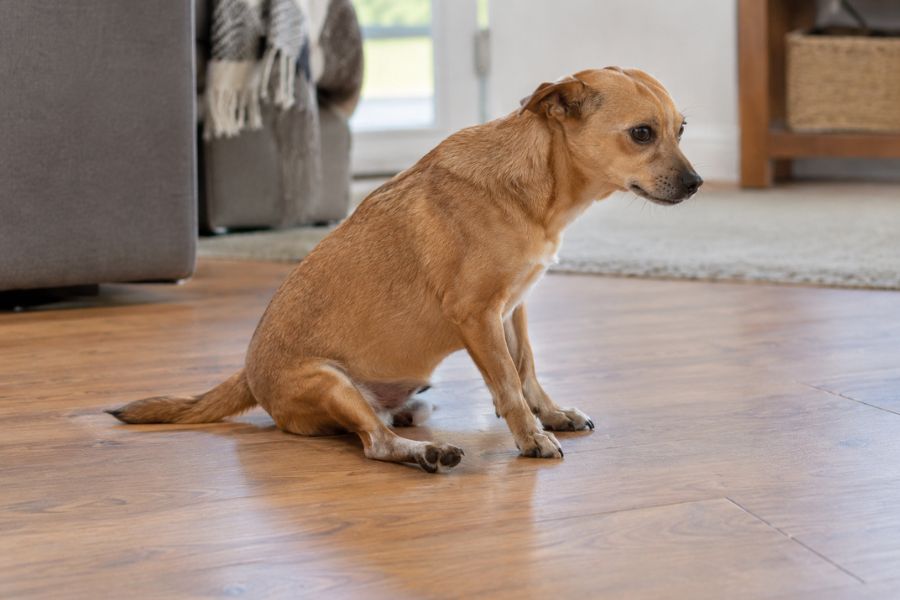
Have you ever caught your dog dragging their bottom across the carpet or floor? It might look funny at first, but this behavior often signals that something is bothering them. Known as dog scooting, this movement usually happens when a dog feels itching, pressure, pain, or irritation around their rear end.
Why is my dog scooting? Common causes include full or irritated anal glands, allergies, intestinal parasites, skin infections, and stool stuck around the anus. Some dogs scoot briefly after a bowel movement, while others repeat the behavior because of an ongoing health problem.
Understanding what causes scooting helps you recognize when your dog needs attention. This guide explains the most common reasons dogs drag their bottoms, warning signs to watch for, safe ways to help, and when to seek medical care.
What Does It Mean When a Dog Scoots?
Scooting happens when a dog sits on the ground, stretches their front legs forward, and drags their rear end across a surface.
Dogs usually do this to relieve discomfort around the anus. The movement creates friction against the floor, which may temporarily ease itching or pressure.
You might notice your dog scooting on carpets, grass, hardwood floors, or other surfaces.
An occasional episode does not always indicate a serious condition. Your dog might have a small amount of stool caught in their fur or temporary irritation after using the bathroom.
Frequent scooting tells a different story.
If your dog repeatedly drags their bottom, licks the area, or seems uncomfortable while sitting, something needs attention.
7 Common Reasons Why Dogs Scoot
Several conditions can cause dogs to drag their bottoms. Some involve minor irritation, while others require medical treatment.
1. Full or Blocked Anal Glands
Anal gland problems are among the most common reasons dogs scoot.
Dogs have two small sacs located on either side of the anus. These sacs contain a strong-smelling fluid that normally empties during bowel movements.
Sometimes, the fluid does not drain properly. The sacs become overly full, creating pressure and discomfort.
Your dog may try to relieve that feeling by dragging their bottom across the floor.
Common signs of anal gland problems include:
- Frequent scooting
- Excessive licking around the anus
- A strong, fishy odor
- Discomfort while sitting
- Swelling near the rear end
- Difficulty passing stool
Small dogs are often affected, although anal gland problems can occur in dogs of any size.
Blocked glands can become infected or develop painful abscesses. Repeated scooting accompanied by swelling, bleeding, or discharge needs prompt attention.
2. Allergies and Skin Irritation
Can allergies make a dog scoot?
Yes. Allergies can cause itching around the rear end, just as they can affect a dog’s paws, ears, and belly.
Dogs may react to environmental triggers such as pollen, dust mites, or mold. Some develop skin problems associated with food allergies.
When the skin around the anus becomes irritated, dogs may scoot to relieve the itching.
Other allergy-related symptoms include:
- Frequent paw licking
- Red or irritated skin
- Recurring ear problems
- Scratching
- Hair loss
- Excessive licking around the tail
Scooting alone does not confirm an allergy. A proper examination helps identify whether the irritation comes from allergies or another condition.
3. Intestinal Parasites and Worms
Certain intestinal parasites can cause discomfort around a dog’s anus.
Tapeworms are one possible cause. Dogs commonly become infected after swallowing fleas carrying tapeworm larvae.
Small tapeworm segments may appear around the anus, in the fur, or near your dog’s bedding.
These segments often resemble grains of rice.
Some dogs with tapeworms scoot or lick their rear ends, although many infected dogs show few obvious symptoms.
Other intestinal parasites can cause digestive problems, including diarrhea, which may irritate the area.
If you notice unusual material around your dog’s anus or changes in their stool, arrange an examination.
A stool test or identification of visible tapeworm segments can help determine the cause.
4. Stool Stuck Around the Anus
Sometimes, the explanation is much simpler.
A small amount of dried stool caught in the fur can make your dog uncomfortable.
This problem is more common in long-haired breeds and dogs experiencing loose stools.
Your dog may drag its bottom across the floor to remove the material.
Look for:
- Stool attached to the fur
- Matted hair around the rear end
- Unpleasant odors
- Repeated licking after bowel movements
- Difficulty keeping the area clean
Keeping the fur around the anus clean and properly trimmed can reduce this problem.
Avoid pulling dried stool or tightly matted fur from sensitive skin. Doing so can cause pain or injury.
5. Skin Infections Around the Rear End
Bacterial or yeast infections can affect the skin around a dog’s anus.
Moisture, allergies, repeated licking, and skin irritation can contribute to these problems.
An infection may cause redness, swelling, itching, tenderness, or an unpleasant smell.
Dogs often respond by licking, chewing, or scooting.
Repeated friction from scooting can make irritated skin worse.
Skin infections require the right treatment for the underlying cause. Applying random creams or household products can irritate the area and delay proper care.
6. Diarrhea and Digestive Problems
Digestive problems can also explain why your dog suddenly starts scooting.
Frequent bowel movements or loose stools may leave the skin around the anus irritated.
Diarrhea can also interfere with normal anal gland emptying.
Some dogs experience discomfort after repeated trips outside, particularly when the skin becomes inflamed from frequent cleaning or licking.
Watch for additional symptoms such as:
- Loose or watery stools
- Increased bowel movements
- Straining
- Vomiting
- Reduced appetite
- Blood or mucus in the stool
Digestive symptoms that continue, worsen, or occur with weakness or dehydration need medical attention.
7. Injuries or Growths Near the Anus
Although less common, injuries, abnormal growths, and other conditions affecting the rear end can cause scooting.
A dog may have a small wound, swelling, or painful lump that makes sitting uncomfortable.
Some conditions affecting the tissues around the anus can also cause straining or changes in bowel movements.
Never assume that a lump near your dog’s rear end is a harmless anal gland problem.
Any new growth, unexplained swelling, bleeding, or persistent pain should be examined.
How Can You Tell What Is Causing Your Dog to Scoot?
The pattern of your dog’s behavior can provide useful clues.
Ask yourself a few questions:
1. Does your dog scoot after pooping?
A: Stool caught in the fur, irritation, or anal gland discomfort may be involved.
2. Is there a strong fishy smell?
A: Anal gland fluid may be present, although odor alone cannot confirm a blocked gland.
3. Is your dog licking their paws and scratching frequently?
A: Allergies or a skin condition may be contributing to the discomfort.
4. Do you notice rice-like pieces near the anus?
A: Tapeworm segments are a possibility.
5. Is the area red, swollen, or painful?
A: Inflammation, infection, injury, or an anal gland abscess may be responsible.
These observations help narrow down possible causes, but they do not replace a physical examination.
What Should You Do If Your Dog Keeps Scooting?
The best response depends on how often the behavior happens and whether other symptoms are present.
1. Check the Area Carefully
If your dog allows it, gently lift the tail and look for visible stool, redness, swelling, or discharge.
Avoid touching painful areas or forcing your dog to remain still.
A dog experiencing discomfort may react unexpectedly.
2. Keep the Rear End Clean
If loose stool has left a small amount of residue, gently clean the surrounding fur with a soft cloth and lukewarm water.
Pat the area dry.
Avoid scented wipes, harsh soaps, alcohol, or products not intended for dogs.
3. Monitor Your Dog’s Bowel Movements
Healthy stool consistency supports normal digestion and can help anal glands empty during bowel movements.
Pay attention to changes in stool firmness, frequency, and appearance.
If your dog regularly experiences diarrhea or constipation, the underlying cause needs attention.
4. Avoid Expressing Anal Glands at Home
You may have seen instructions explaining how to empty a dog’s anal glands.
However, unnecessary or incorrect expression can cause pain, irritation, and injury.
Not every scooting dog has full anal glands.
A trained professional should determine whether expression is needed and check for infection or other problems.
5. Arrange an Examination When Scooting Continues
If your dog keeps dragging their bottom, professional veterinary care can help identify the cause.
Treatment depends on the diagnosis and may involve anal gland management, parasite medication, allergy treatment, skin care, or addressing digestive problems.
When Is Dog Scooting a Serious Concern?
A single brief episode without other symptoms is not usually an emergency.
Repeated scooting, however, should not be ignored.
Seek prompt medical attention if your dog has:
- Significant swelling around the anus
- Blood or pus near the rear end
- Severe pain when sitting
- Difficulty passing stool
- Persistent licking or biting
- A visible wound or unusual lump
- Repeated scooting that does not improve
A swollen anal gland can develop an abscess, which may rupture and cause bleeding or discharge.
If your dog is straining but cannot urinate, seek emergency care immediately.
Early evaluation can prevent a manageable problem from becoming more painful.
Can You Prevent Your Dog From Scooting?
Not every cause of scooting is preventable, but regular care can reduce some common triggers.
1. Maintain a Balanced Diet
A complete, balanced diet supports digestive health and normal bowel movements.
Some dogs with recurring anal gland problems benefit from dietary changes, including adjustments to fiber intake.
However, adding fiber is not appropriate for every dog. Dietary changes should match your dog’s individual needs.
2. Keep Up With Parasite Prevention
Consistent flea control helps reduce the risk of flea-transmitted tapeworm infections.
Routine parasite screening and appropriate deworming also support your dog’s overall health.
3. Practice Regular Grooming
Keeping the fur around your dog’s rear end clean can prevent stool buildup and skin irritation.
Long-haired dogs may benefit from occasional sanitary trimming.
4. Pay Attention to Recurring Symptoms
If your dog frequently develops itchy skin, loose stools, or anal gland problems, keep track of when symptoms occur.
Record changes in diet, bowel movements, grooming products, and other possible triggers.
These details can help identify patterns and guide future care.
Conclusion: Understand Why Your Dog Is Scooting Before Trying a Treatment
Watching your dog drag their bottom across the floor can be confusing, especially when they otherwise seem healthy.
Scooting is a sign of discomfort rather than a disease itself. Full anal glands, allergies, parasites, skin infections, digestive problems, and simple hygiene issues can all cause the behavior.
The most important step is understanding what has changed.
Does your dog scoot occasionally after a bowel movement, or has the behavior become frequent? Are they licking their rear end, showing signs of pain, or having trouble passing stool?
A brief episode may only require gentle cleaning and observation. Repeated scooting or symptoms such as swelling, bleeding, or discomfort call for a closer examination.
Avoid trying treatments without knowing the cause. The right approach depends on what is making your dog uncomfortable.
If your dog continues scooting or shows signs of irritation, book an appointment to identify the underlying cause and determine the appropriate treatment.
Frequently Asked Questions(FAQs):
1. Why is my dog scooting but not showing any other symptoms?
A: Your dog may have mild irritation, stool caught in their fur, or early anal gland discomfort. Some dogs scoot before other symptoms become obvious. Gently check the area and schedule an exam if the behavior continues or returns.
2. Can dogs scoot without having worms?
A: Yes. Most scooting episodes are not necessarily caused by worms. Anal gland problems, allergies, skin irritation, infections, and stool buildup are other possible causes. Scooting alone cannot determine whether your dog has intestinal parasites.
3. Why does my dog scoot right after pooping?
A: Scooting after a bowel movement can happen when stool remains attached to the fur or the anal area becomes irritated. Anal gland discomfort is another possibility. Repeated episodes after pooping deserve attention.
4. Will dog scooting go away on its own?
A: Scooting caused by temporary irritation or a small amount of stool residue may stop once the problem clears. Scooting caused by blocked anal glands, infections, parasites, or allergies often requires treatment. Persistent symptoms should be evaluated.
5. Can changing my dog’s food stop scooting?
A: Dietary changes may help when digestive problems, stool consistency, or food allergies contribute to scooting. However, changing food will not resolve every cause. Identifying the underlying problem is more useful than switching diets without guidance.