New To IVC? Enjoy One $23 Intro Exam!*

Can’t Stop Sneezing? These Cat Breeds Are Safe for Allergy Sufferers
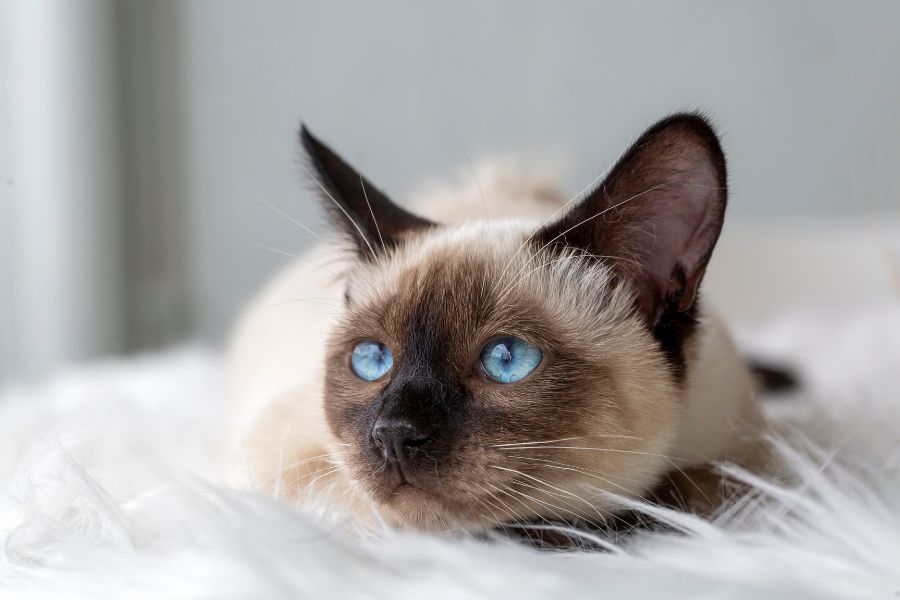
Living with cat allergies does not always mean giving up on the idea of having a feline companion. Many people experience sneezing, itchy eyes, or congestion around cats, yet still want the comfort and companionship they offer. This guide explains why allergies happen, highlights cat breeds that tend to produce fewer allergens, and shares realistic ways to reduce symptoms at home.
It also includes practical tips for families, apartment dwellers, and pet owners navigating daily life with sensitivities. By the end, you will have a clearer understanding of whether certain cats can fit into your lifestyle and how to manage your environment effectively, even in busy communities like Charlotte.
Why Do Cat Allergies Happen?
Cat allergies are usually triggered by a protein called Fel d 1, found in a cat’s saliva, skin, and dander. When cats groom themselves, this protein spreads to their fur and eventually into the air.
Not all cats produce the same levels of allergens. Some breeds naturally produce less, while others shed less hair, reducing how much allergen spreads around your home. This is where the idea of low-allergen cat breeds becomes relevant, though no cat is completely allergy-free.
Understanding this difference helps set realistic expectations. Choosing the right breed can reduce symptoms, though lifestyle adjustments remain essential.
Cat Breeds That May Be Easier on Allergies
1. Siberian
Despite their thick coat, Siberian cats often produce lower levels of Fel d 1. Many allergy sufferers report fewer symptoms around them. They are affectionate, playful, and well-suited for families.
2. Balinese
Often called a “long-haired Siamese,” the Balinese produces less allergenic protein than many other breeds. Their social nature makes them ideal for households seeking an interactive pet.
3. Bengal
Bengals have short, fine coats that require less grooming. Less grooming means fewer allergens released into the air. Their energetic personality suits active homes.
4. Russian Blue
This breed is known for its dense coat, which can trap allergens closer to the skin instead of releasing them. They are quiet, gentle, and often bond closely with one person.
5. Devon Rex and Cornish Rex
Both breeds have unique, short coats that shed less than typical cats. Their playful and curious behavior makes them popular among apartment residents.
Practical Tips for Living with Cat Allergies
Even with carefully chosen breeds, managing your environment matters.
1. Keep Your Home Clean
Regular vacuuming with a HEPA filter reduces airborne allergens. Wash bedding and curtains frequently. Hard flooring helps limit allergen buildup compared to carpets.
2. Create Cat-Free Zones
Designate certain areas, especially bedrooms, as pet-free spaces. This gives your body a break from constant exposure.
3. Grooming Routine
Regular grooming helps reduce loose fur and dander. If possible, have a non-allergic person handle brushing. Bathing your cat occasionally may also help.
4. Air Quality Matters
Air purifiers can improve indoor air conditions. Good ventilation reduces allergen concentration in smaller homes or apartments.
5. Wash Hands Frequently
After petting your cat, washing your hands prevents allergens from spreading to your face or other surfaces.
Choosing the Right Cat for Your Lifestyle
Selecting a cat involves more than allergies. Consider your living space, schedule, and activity level. Busy households may prefer independent breeds, while quieter homes may suit affectionate cats.
Spend time with a breed before adopting. Short visits can help you gauge your reaction. Local shelters and breeders sometimes allow interaction sessions, which can be helpful for allergy sufferers.
For residents in growing urban neighborhoods, smaller living spaces often require thoughtful pet choices. Low-shedding breeds may adapt better to apartments and shared housing environments.
Local Considerations for Pet Owners
In cities with changing weather patterns, indoor air quality becomes important. Seasonal humidity can influence allergen levels, making regular cleaning even more necessary.
Pet owners often rely on local clinics for guidance on grooming routines, diet, and general care. If you’re located in Charlotte and looking for trusted veterinary care near you, then schedule an appointment with Independence Veterinary Clinic. Visiting their homepage can also give you a broader understanding of available services that support both pets and their owners.
Are “Hypoallergenic Cats” Truly Allergy-Free?
The term “hypoallergenic” can be misleading. No cat is completely free of allergens. Some simply produce fewer triggers or shed less fur.
This means reactions vary from person to person. One individual may tolerate a specific breed well, while another may still experience symptoms. Testing your tolerance through gradual exposure remains the most reliable approach.
Conclusion
Living with cat allergies requires thoughtful choices, not complete compromise. From selecting suitable breeds to maintaining a clean living space, small adjustments can significantly improve comfort. Understanding your triggers and testing your tolerance remain key steps before bringing a cat home. For many households, the companionship of a cat outweighs the challenges when managed properly.
Exploring low-allergen cat breeds alongside practical lifestyle changes offers a balanced approach to pet ownership. We are conveniently located in Charlotte, NC. Reach out to our facility at 2328 Crownpoint Executive Dr, Suite B, Charlotte, NC 28227—where compassionate care and community come together for your pet’s well-being.
Frequently Asked Questions(FAQs):
1. Are there completely allergy-free cats?
A: No cat is entirely allergy-free. Some breeds produce fewer allergens or shed less, which may reduce symptoms. Individual reactions vary, so spending time with a cat before adoption is recommended.
2. How can I reduce cat allergens at home?
A: Regular cleaning, air purifiers, and designated pet-free areas help control allergens. Washing fabrics often and maintaining good ventilation can also make a noticeable difference in symptom management.
3. Do short-haired cats cause fewer allergies?
A: Not always. Allergies are linked to proteins in saliva and skin, not just fur length. Some short-haired cats still produce high allergen levels, while certain long-haired breeds may produce less.
4. Can allergy medications help cat owners?
A: Many people manage symptoms with over-the-counter or prescribed medications. Consulting a healthcare provider helps determine the best option based on your specific reactions and lifestyle.
5. Is grooming important for allergy control?
A: Yes, regular grooming reduces loose fur and dander. It helps limit allergen spread inside the home. Having someone without allergies handle grooming can make the process more comfortable.
6. Should I avoid cats completely if I have allergies?
A: Not necessarily. Many people live comfortably with cats by choosing suitable breeds and maintaining a clean environment. Careful planning and gradual exposure often lead to better outcomes.