New To IVC? Enjoy One $23 Intro Exam!*

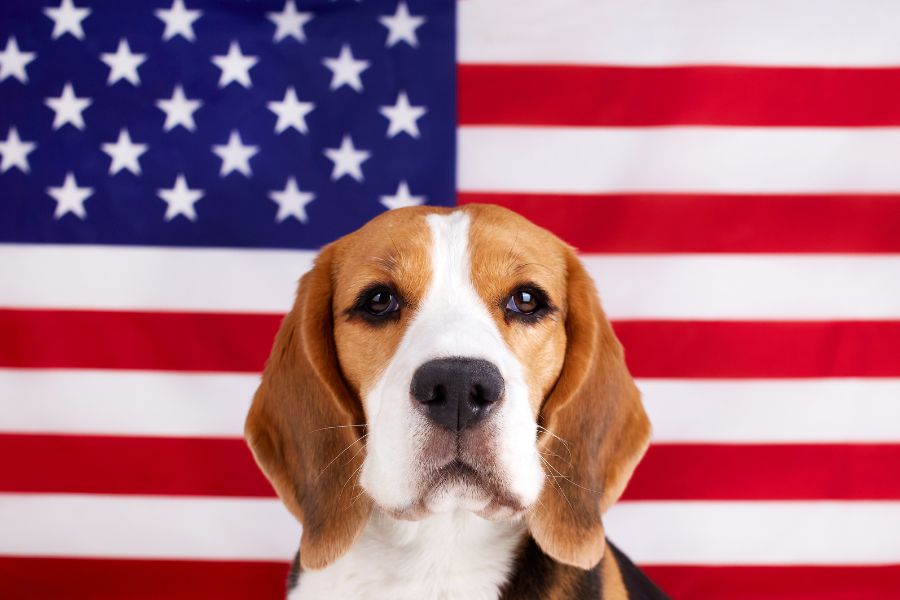
Every Fourth of July brings colorful fireworks, family gatherings, and outdoor celebrations. For many dogs, the same holiday brings fear, confusion, and overwhelming stress. Loud noises, flashing lights, and unfamiliar activity can trigger anxious behavior that ranges from hiding to escaping the yard.
This guide explains why dogs are afraid of fireworks, how to recognize signs of fear, simple ways to help your pet feel secure, and when professional support is needed. With thoughtful planning and calm reassurance, you can make Independence Day much easier for your companion. If you live in Charlotte, preparing before the celebrations begin can help your dog enjoy a safer, less stressful holiday.
Why Do Dogs Fear Fireworks?
Dogs experience the world differently from people. Their hearing is much more sensitive, allowing them to detect sounds at much higher frequencies. Fireworks create explosions, vibrations, bright flashes, and unfamiliar smells. Since dogs cannot understand what causes these loud noises, many interpret them as danger.
Unlike thunderstorms, fireworks happen without a predictable pattern. Random bangs make it difficult for dogs to relax. Some pets also remember frightening experiences from previous celebrations, making their fear stronger each year.
Fear of fireworks affects dogs of every breed and age. Even confident dogs may become nervous during large holiday displays.
Common Signs Your Dog Is Scared
Every dog reacts differently to loud sounds. Some show mild discomfort, while others experience intense panic.
Physical Signs
- Trembling or shaking
- Panting heavily
- Drooling more than usual
- Wide eyes or flattened ears
- Pacing around the house
Behavioral Changes
- Hiding under furniture
- Barking or whining continuously
- Trying to escape through doors, windows, or fences
- Refusing food or treats
- Clinging closely to family members
Recognizing these warning signs early allows you to comfort your dog before anxiety becomes overwhelming.
What Actually Helps During Fireworks?
Many pet owners wonder how to calm a dog during fireworks. Several practical strategies can make a significant difference.
1. Create a Safe Space
Prepare a quiet room before fireworks begin. Close windows, lower blinds, and provide your dog’s favorite bed, blankets, and familiar toys. A comfortable retreat helps many dogs feel protected.
2. Reduce Outside Noise
Turn on a television, fan, white noise machine, or calming music to soften the sound of fireworks. Gentle background noise often reduces startling explosions.
3. Keep Your Dog Indoors
Never leave your dog outside during fireworks. Frightened pets can jump fences, break leashes, or escape through small openings. Indoor safety greatly lowers the risk of getting lost.
4. Stay Calm Yourself
Dogs notice human emotions. Speak softly, follow your normal routine, and avoid reacting dramatically to loud sounds. Your calm behavior helps your pet feel more secure.
5. Offer Positive Distractions
Puzzle toys, food-stuffed toys, gentle games, or favorite treats may help redirect attention away from fireworks. These activities work best before anxiety becomes severe.
What Should You Avoid?
Some well-meaning actions may increase your dog’s stress instead of helping.
Do not punish fearful behavior. Fear is an emotional response, not disobedience.
Do not force your dog outside to “get used” to fireworks.
Do not leave doors open during celebrations.
Do not bring your dog to crowded fireworks events unless they are genuinely comfortable with loud environments.
Can Firework Anxiety Be Prevented?
Some dogs benefit from gradual training before the holiday season begins. Playing recordings of fireworks at very low volume while offering treats can slowly build positive associations. The volume increases only when your dog remains relaxed.
This process requires patience over several weeks. Starting a few days before the Fourth of July usually provides limited improvement.
Young puppies exposed to positive experiences during early development may become more confident around unfamiliar sounds later in life.
When Should You Seek Professional Help?
Some dogs experience severe firework anxiety that cannot be managed with home strategies alone. Professional guidance is recommended if your dog injures itself, attempts repeated escapes, refuses food for an extended period, or experiences extreme panic during every celebration.
Your care team can recommend behavior modification plans and discuss safe options that may reduce severe anxiety during future holidays.
If your dog struggles with fireworks anxiety, don’t wait until the holiday arrives—book an appointment with us to help your pet stay calm, safe, and comfortable throughout the Fourth of July celebrations.
Conclusion
Fireworks are an exciting Fourth of July tradition for people, though they can be frightening for dogs. Understanding why dogs fear fireworks helps owners respond with patience, preparation, and practical support. A quiet space, familiar routines, indoor safety, and early planning can greatly reduce holiday stress. Every dog deserves to feel protected during celebrations. If you’re located in Charlotte, consider reaching out to Independence Veterinary Clinic, where compassionate care and community come together to support your pet’s health, comfort, and overall well-being throughout every season.
Frequently Asked Questions(FAQs):
1. Why do fireworks scare dogs more than thunderstorms?
A: Fireworks are unpredictable because the loud sounds, flashing lights, and vibrations happen suddenly without warning. Thunderstorms often build gradually, giving some dogs more time to adjust before the loud noises begin.
2. Can puppies develop fireworks anxiety?
A: Yes. Puppies may become frightened during their first Fourth of July if they have never experienced fireworks. Gentle preparation, positive experiences, and a calm environment can help reduce fear as they mature.
3. Should I comfort my dog during fireworks?
A: Yes. Calm reassurance, gentle petting if your dog seeks attention, and speaking softly can help many dogs feel more secure. Respond naturally without encouraging panic or acting anxious yourself.
4. Are calming products effective for fireworks anxiety?
A: Some dogs respond well to anxiety wraps, calming music, pheromone diffusers, or interactive toys. Results vary between pets, so finding the most effective combination may require trying different safe options.
5. Is it safe to take my dog to a fireworks display?
A: No. Most dogs are far happier and safer indoors during fireworks. Large crowds, loud explosions, and unfamiliar surroundings can quickly overwhelm even confident, well-socialized dogs.
6. How early should I prepare for Fourth of July fireworks?
A: Start preparations several days before Independence Day. Update your identification information, gather comfort items, plan exercise for earlier in the day, and prepare a quiet indoor space before the fireworks begin.