New To IVC? Enjoy One $23 Intro Exam!*

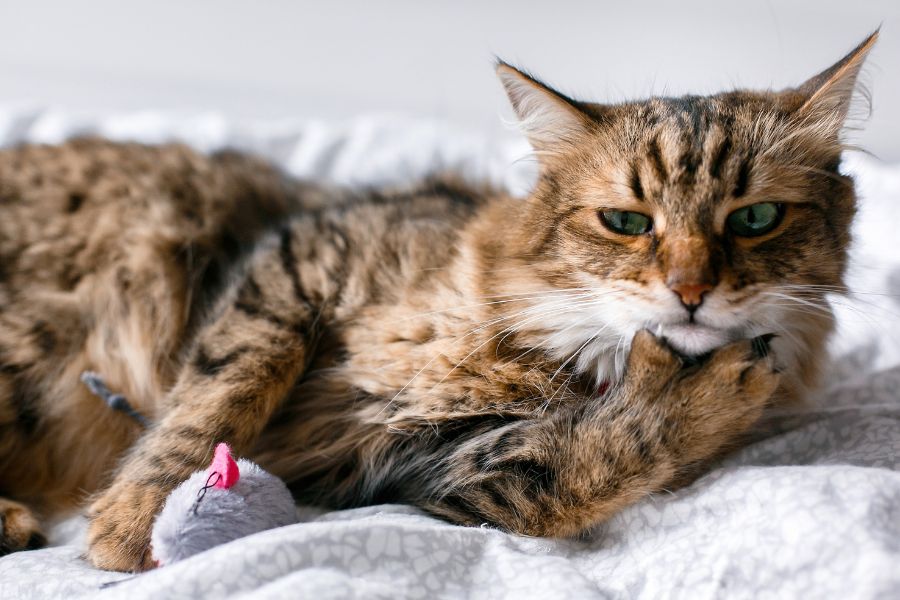
Cat diarrhea can be messy, worrying, and sometimes dangerous. This guide explains home care, food and fluids, remedies to avoid, special risks for kittens and senior cats, warning signs, and when professional help is necessary.
Cat diarrhea treatment should focus on the cat, not just the litter box. The goal is to protect hydration, maintain nutrition, identify triggers, and recognize signs that need attention. Avoiding risky home remedies can prevent a manageable episode from becoming more complicated.
What Does Diarrhea in Cats Look Like?
Diarrhea means stools are softer, looser, or more frequent than your cat’s normal bowel movements. One soft stool in a healthy adult cat differs from frequent watery diarrhea.
Note the stool’s color and consistency, frequency, appetite, water intake, energy level, and vomiting.
Step 1: Check Your Cat for Warning Signs
Look at your cat before choosing home care. A bright, alert adult cat with mild diarrhea may be monitored closely. A cat that seems weak, painful, dehydrated, unusually sleepy, or unwilling to eat needs attention.
Seek urgent care for bloody or black stools, repeated vomiting, severe abdominal pain, collapse, trouble breathing, suspected poisoning, or possible foreign-object ingestion. Kittens, elderly cats, and cats with chronic health problems can become dehydrated faster and need prompt advice.
Step 2: Keep Fresh Water Available
Diarrhea can cause fluid loss. Place clean water in easy-to-reach locations. Wet food can provide additional moisture.
Do not force water into your cat’s mouth. Avoid homemade electrolyte mixtures unless a professional recommends one.
Watch for dehydration signs such as dry or sticky gums, weakness, reduced urination, sunken-looking eyes, or marked lethargy. Dehydration requires prompt attention.
Step 3: Review Recent Changes
Think about the days before diarrhea started. A sudden food change, new treats, table scraps, spoiled food, stress, boarding, travel, or medication can affect digestion.
Parasites, infections, food intolerance, inflammatory conditions, toxins, and intestinal blockages can cause diarrhea. Do not assume the problem is a simple upset stomach when symptoms persist or worsen.
Write down recent foods, medications, supplements, unusual exposures, and household changes.
Step 4: Feed Carefully
Do not make a cat fast for a prolonged period without professional guidance. Cats can develop serious problems when they stop eating. Offer small portions of their usual food if interested and not vomiting.
Some cats may benefit from a temporary, easily digestible diet recommended by a professional. Avoid fatty foods, milk, rich treats, raw foods, and sudden diet experiments. Do not give human anti-diarrhea medicines.
If appetite disappears, vomiting begins, or diarrhea becomes severe, stop relying on home management and seek advice.
Step 5: Keep the Litter Area Clean
Frequent loose stool can irritate the skin and increase litter-box mess. Scoop promptly and clean soiled surfaces with a pet-safe product. Wash your hands after handling feces or cleaning the box.
Do not share medications between pets based on similar symptoms.
Step 6: Track the Next 24 Hours
Create a symptom log. Record each bowel movement, stool appearance, appetite, drinking, urination, energy, vomiting, and medication given.
Mild diarrhea that improves quickly in a healthy adult cat may not require extensive testing. Persistent diarrhea deserves evaluation. Recurrent episodes deserve investigation.
When Should You Call a Veterinarian?
Call a veterinarian when diarrhea lasts more than a day, keeps returning, or comes with appetite loss, vomiting, pain, weakness, dehydration, fever, or blood. A kitten with diarrhea deserves prompt guidance because fluid loss can become serious quickly.
A professional may ask about diet, environment, medications, parasite prevention, and exposure risks. Testing may include a stool examination or other checks based on symptoms. Treatment depends on the underlying cause, not simply on stopping the stool.
If you need local help, search for a veterinarian near you who can assess your cat and recommend appropriate care.
What Not to Give a Cat With Diarrhea
Avoid human medicines, leftover prescriptions, essential oils, dairy products, greasy foods, and unapproved supplements. Do not use antibiotics unless prescribed for your cat. Antibiotics are not appropriate for every case and can disturb digestion.
Do not wait indefinitely for diarrhea to disappear. A cat can look comfortable while an underlying problem continues. Professional guidance is the safest route when symptoms are significant, persistent, or unclear.
How to Prevent Future Episodes
Keep diet changes gradual. Store food safely, limit table scraps, maintain parasite prevention recommended for your cat, and keep toxic substances out of reach. Reduce access to string, ribbon, rubber bands, plants, and small objects that can be swallowed.
Regular health checks can uncover problems before digestive symptoms become frequent. Knowing your cat’s normal appetite, litter-box habits, weight, and energy makes unusual changes easier to recognize.
Frequently Asked Questions(FAQs):
1. Can I give my cat pumpkin for diarrhea?
A: Plain cooked pumpkin may suit some cats, but it is not a universal treatment. Ask a professional about the amount and whether pumpkin fits your cat’s symptoms, diet, age, and health.
2. How long does diarrhea last in cats?
A: A mild episode may resolve quickly, but persistent or recurring diarrhea needs attention. Contact a professional if it lasts beyond a day or appears with vomiting, appetite loss, weakness, blood, or dehydration.
3. Should I stop feeding my cat during diarrhea?
A: Do not withhold food for a prolonged period without guidance. Cats need adequate nutrition. Small meals of appropriate food may suit some adults, while appetite loss requires professional advice.
4. Is watery diarrhea in cats an emergency?
A: Watery diarrhea can cause significant fluid loss, especially in kittens, older cats, or cats with other illnesses. Emergency care is appropriate when diarrhea is severe or accompanied by weakness, repeated vomiting, blood, pain, or collapse.
5. Why does my cat have diarrhea but seem fine?
A: Cats can remain active during mild digestive problems. Causes range from diet changes and stress to parasites or disease. If diarrhea persists, returns, or changes in severity, arrange an evaluation.
6. Can I give my cat Pepto-Bismol or Imodium?
A: Do not give these medicines unless a professional specifically instructs you. Human medications can be unsafe for cats, and treatment depends on why the diarrhea is happening.