New To IVC? Enjoy One $23 Intro Exam!*

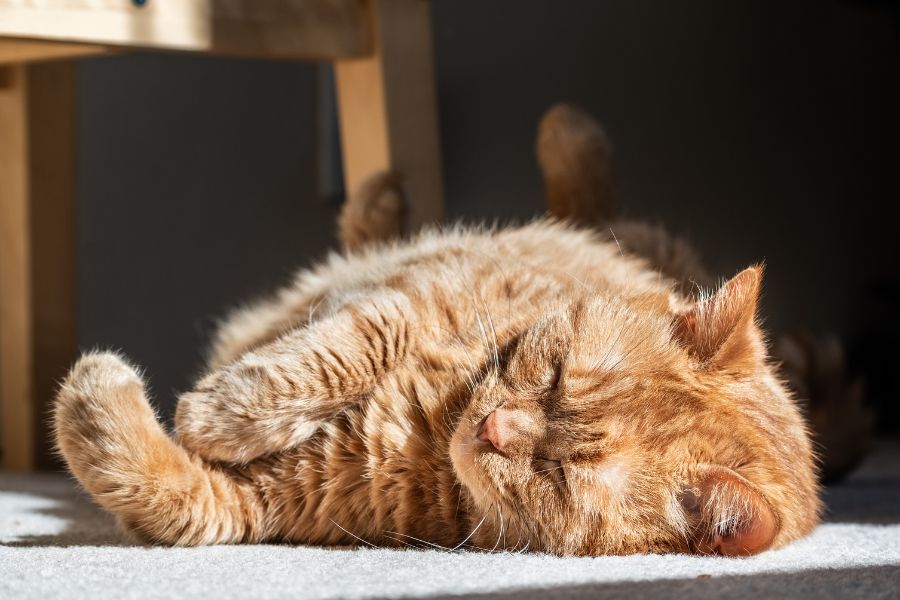
Your cat may seem perfectly healthy while kidney changes develop quietly. The new feline kidney guidelines, published in September 2026, explain why earlier testing, individualized treatment, and everyday comfort deserve equal attention.
For cat owners, the message is practical: watch subtle changes, understand what test results mean, and work with your veterinarian on a plan that fits your cat. Here is what has changed, which symptoms matter, and how food, hydration, medication, and follow-up visits can protect quality of life at every stage of life.
What Actually Changed in the 2026 Guidelines?
International Cat Care released updated recommendations for diagnosing and managing chronic kidney disease (CKD), replacing guidance published in 2016.
The update places greater emphasis on detecting disease before obvious symptoms appear. It also addresses conditions occurring alongside kidney disease, safe planning for anesthesia and pain relief, and the emotional and practical demands of caring for an older cat.
One important message stands out: successful care involves more than improving laboratory numbers.
Kidney Disease Signs: What Should You Notice?
Kidneys remove waste, regulate fluid balance, and help maintain healthy blood pressure. When their function gradually declines, changes can be easy to mistake for normal aging.
Check These Everyday Clues
- Drinking more water or visiting the litter box frequently
- Losing weight despite eating normally
- Reduced appetite or occasional vomiting
- Dull fur, decreased grooming, or unusual tiredness
- Constipation, weakness, or changes in behavior
Diabetes, thyroid problems, and other illnesses can look similar. Sudden inability to urinate, collapse, or severe weakness requires immediate veterinary attention.
How Do Veterinarians Detect Kidney Problems Earlier?
A single abnormal blood result rarely tells the complete story. The updated guidance supports combining physical examinations with blood testing, urine assessment, and blood pressure measurements when appropriate.
Understanding Common Kidney Tests
Creatinine measures a waste product that can rise as kidney filtering declines. SDMA is another blood marker that may reveal reduced kidney function, particularly when muscle loss makes creatinine harder to interpret.
Urine tests assess concentration and sometimes protein loss. Blood pressure checks help identify hypertension, which can damage the kidneys and other organs.
For cats showing concerning changes, blood and urine testing can provide useful information for diagnosis and ongoing monitoring.
What Do the Four IRIS Kidney Stages Mean?
The International Renal Interest Society (IRIS) system helps veterinarians describe confirmed, stable chronic kidney disease. Staging uses creatinine and sometimes SDMA, with additional assessment of urine protein and blood pressure.
A Simple Stage-by-Stage Guide
Stage 1: Kidney changes are present, although standard blood markers may remain within expected ranges. Monitoring helps identify progression.
Stage 2: Mild reductions in kidney function become measurable. Diet adjustments and treatment of identified complications may be recommended.
Stage 3: Moderate disease may bring appetite changes, nausea, dehydration, or weight loss. Closer monitoring and symptom management become important.
Stage 4: Severe disease requires intensive attention to comfort, hydration, nutrition, and individual treatment goals.
Cats within the same stage can feel very different. Dehydration or sudden illness must be addressed before reliable staging.
Treatment Decisions: What Matters Most Now?
Recommendations depend on disease stage, appetite, test results, other medical conditions, and how comfortably a cat tolerates care.
Food and Hydration
Prescription kidney diets can help manage phosphorus and other nutritional needs. Changes should be gradual and guided by your veterinarian. A cat refusing food needs prompt attention; eating enough remains essential.
Fresh water, accessible bowls, and suitable wet food may support hydration. Some cats need prescribed fluids, but extra fluids are not appropriate for every patient.
Medication and Follow-Up
Treatment may address high blood pressure, protein loss in urine, nausea, constipation, or low potassium. Phosphorus control is another priority when levels rise.
Follow-up frequency depends on stability and complications. Ask which changes warrant an earlier appointment rather than waiting for the next routine check.
Make Home Care Easier for Your Cat
Think of kidney care as a daily comfort plan, not just a medicine schedule. Keep water and litter boxes easy to reach. Offer quiet resting areas. Record appetite, weight, drinking habits, and medication difficulties.
Discuss cost, time, and handling challenges openly. A manageable plan followed consistently may serve your cat better than an elaborate routine that causes daily distress.
Conclusion: Turn New Guidance Into Better Daily Care
The 2026 guidelines encourage earlier detection, thoughtful treatment, and attention to what makes life comfortable for each cat. If your cat is aging or showing possible kidney symptoms, book an appointment with Independence Veterinary Clinic in Charlotte to discuss appropriate screening and personalized care.
Frequently Asked Questions(FAQs):
1. Can cats live for years with kidney disease?
A: Yes. Some cats live for years after diagnosis, especially when disease is detected early, and complications are managed. Survival varies considerably with stage, other illnesses, response to treatment, and overall health.
2. What age should cats start kidney screening?
A: Kidney disease becomes more common with age. Ask about routine screening during adult wellness visits and more frequent checks for senior cats. Your veterinarian can recommend timing based on individual risk and medical history.
3. Is increased thirst always a kidney disease symptom?
A: No. Increased thirst can also occur with diabetes, thyroid disease, or other conditions. Persistent changes in drinking or urination deserve an examination, even when your cat seems active and continues eating normally.
4. Can kidney disease in cats be reversed?
A: Chronic kidney damage is generally irreversible, but treatment can slow progression and relieve symptoms. Sudden kidney injuries may have different outcomes.
5. Should every cat with kidney disease eat renal food?
A: Not necessarily. Kidney diets benefit many affected cats, but recommendations depend on disease stage, nutritional needs, and appetite. Never allow a cat to go without adequate food while trying to enforce a dietary change.
6. How often should a cat with CKD have blood tests?
A: Testing intervals depend on disease severity, stability, and treatment changes. Some cats need close reassessment after starting medication, while stable patients may have longer intervals. Follow the monitoring plan recommended for your individual cat.