New To IVC? Enjoy One $23 Intro Exam!*

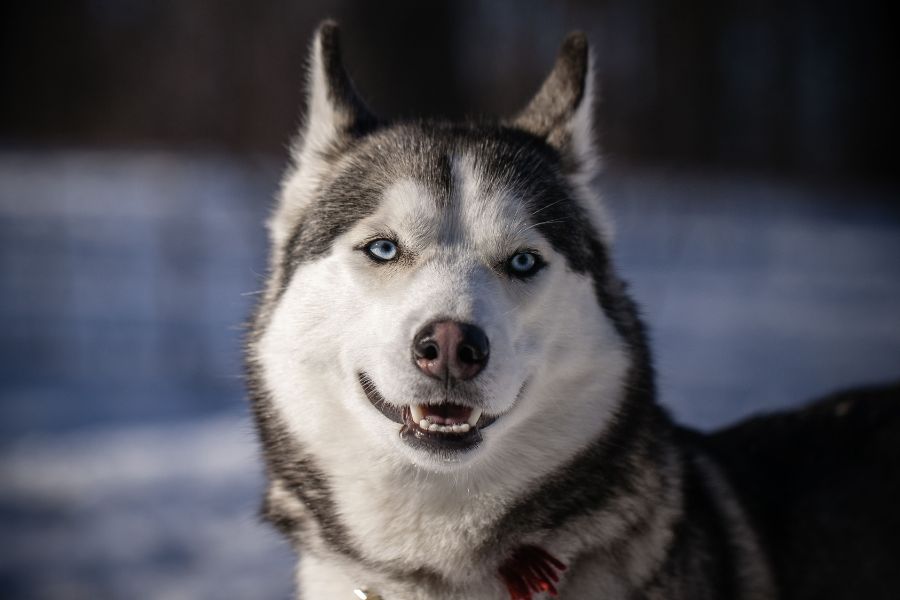
Siberian Huskies are known for their striking blue or brown eyes, thick coats, playful personalities, and impressive energy. They are also famous for being loyal, social, and a little mischievous. If you share your home with one, you may have wondered: How long do Siberian Huskies live?
The typical Husky lifespan is about 12 to 14 years, although some healthy Siberian Huskies live longer. Genetics, diet, exercise, weight, preventive care, living conditions, and overall health can all affect how many healthy years a Husky enjoys.
Knowing what to expect at different stages of your dog’s life can help you make better decisions about daily care. It also gives you a better idea of when your Husky may need closer attention as they grow older.
How Long Do Siberian Huskies Live?
A healthy Siberian Husky generally has a lifespan of 12 to 14 years. Some reach 15 years or beyond, but that is less common.
Several factors influence an individual dog’s lifespan. Two Huskies of the same age can have very different health needs because of differences in genetics, lifestyle, weight, activity, and medical history.
Siberian Huskies were originally bred as working dogs in harsh climates. Their athletic build and endurance remain important parts of the breed today. A healthy Husky needs regular physical activity and mental stimulation to stay in good shape.
Age is only one part of the picture. Your dog’s quality of life matters just as much. A senior Husky that remains comfortable, active, interested in family life, and able to enjoy normal daily activities may still have many happy years ahead.
Husky Lifespan by Life Stage
Understanding your Husky’s life stages can make changes in behavior and health easier to recognize.
1. Puppy Years: Birth to About 1 Year
The puppy stage is filled with rapid growth and learning. Siberian Husky puppies are curious, energetic, and often eager to explore everything around them.
During this stage, nutrition plays an important role in healthy development. Puppies need a balanced diet that supports growth without encouraging excessive weight gain.
Training and socialization are also important. Huskies are intelligent and independent, so early training helps establish good habits. Positive, consistent training tends to work better than harsh discipline.
Regular health visits during puppyhood allow you to keep track of growth, vaccinations, parasite prevention, and other basic needs.
2. Young Adult Years: About 1 to 6 Years
This is often the most energetic period of a Husky’s life. A young adult Husky may seem to have endless energy, especially if they receive plenty of exercise.
Daily activity should include more than a quick walk around the block. Running, hiking, playing fetch, training games, and supervised outdoor activities can help meet their physical and mental needs.
Huskies are also known for their ability to escape when bored. Secure fencing and careful supervision are important because these dogs can be skilled diggers and climbers.
Maintaining a healthy weight during these years can make a major difference later in life. Extra body weight puts more stress on joints and can make exercise harder as your dog ages.
3. Mature Adult Years: About 7 to 9 Years
Around this stage, your Husky may begin to slow down slightly. Some dogs remain highly active, while others become more relaxed.
You may notice subtle changes before obvious signs of aging appear. Your dog might sleep more, take longer to recover after intense exercise, or show less interest in activities that once excited them.
This is a good time to pay closer attention to changes in appetite, weight, mobility, drinking habits, bathroom routines, and behavior.
Routine wellness care becomes increasingly valuable during the mature adult years because early changes can sometimes be easier to manage when they are identified promptly.
4. Senior Years: About 10 Years and Older
A Husky reaching 10 years is entering the senior stage. At this point, their needs may change even if they still act playful and energetic.
Senior Huskies may need adjustments to their exercise routine. Long, intense activities may become less comfortable, while shorter walks and gentle play can help them stay active without placing too much strain on their bodies.
Older dogs may also benefit from more frequent health monitoring. Changes in hearing, vision, dental health, mobility, appetite, or behavior deserve attention rather than being automatically dismissed as “just old age.”
What Affects a Siberian Husky’s Lifespan?
There is no single factor that determines how long a Husky will live. Lifespan is usually influenced by several parts of a dog’s life.
1. Genetics
Genetics can affect a dog’s risk of developing certain inherited health problems. Responsible breeding practices can help reduce the likelihood of passing some genetic conditions from one generation to the next.
When choosing a Husky puppy, learning about the parents’ health history can provide useful information about potential risks.
2. Nutrition
A balanced diet helps support healthy muscles, bones, skin, and overall body function.
Your Husky’s food should match their age, activity level, body condition, and individual needs. Portion sizes matter too. Huskies can be active without needing unlimited food.
Treats should also be counted as part of the overall daily intake. Regularly giving high-calorie treats can contribute to unwanted weight gain.
3. Exercise
Exercise is essential for this breed. Siberian Huskies were developed for endurance, so simply providing a yard may not meet their needs.
Regular activity can help maintain muscle strength, support a healthy weight, reduce boredom, and provide an outlet for natural energy.
Mental exercise matters too. Puzzle toys, obedience training, scent games, and interactive play can keep a Husky engaged.
4. Healthy Weight
Keeping your Husky at a healthy weight is one of the most practical things you can do for their long-term well-being.
Excess weight can increase strain on the joints and make movement more difficult. It can also reduce a dog’s willingness to exercise, creating a cycle of lower activity and further weight gain.
You should be able to feel your dog’s ribs without pressing hard, while the waist should be visible when viewed from above. Your dog’s ideal body shape can vary, so regular weight checks and professional guidance are useful.
5. Preventive Health Care
Routine health care can help identify problems before they become more serious. Regular examinations, vaccinations, parasite prevention, dental care, and age-appropriate screening all have a role in maintaining your dog’s health.
Dental health is easy to overlook. Bad breath, difficulty chewing, dropping food, or changes in eating habits can signal an oral health problem.
6. Living Environment
Huskies have thick coats designed for cold conditions, but that does not mean they are immune to heat.
Hot weather can be particularly challenging for a heavily coated dog. During warm months, provide plenty of fresh water, shade, and access to a cool indoor space. Avoid strenuous exercise during the hottest parts of the day.
Never assume that a Husky will simply “know when to stop” exercising in hot weather.
Common Health Concerns in Siberian Huskies
Siberian Huskies are generally considered a hardy breed, but they can still develop health problems.
Some concerns seen in the breed include eye conditions, hip problems, certain skin disorders, dental disease, and age-related conditions.
Eye health deserves particular attention because Siberian Huskies can be affected by several inherited eye disorders. Changes such as cloudiness, redness, squinting, excessive tearing, or difficulty navigating familiar areas should not be ignored.
Joint problems may also become more noticeable with age. Watch for stiffness, reluctance to climb stairs, difficulty getting up, limping, or a change in the way your dog walks.
These signs do not always mean a serious condition is present, but they are reasons to have your dog evaluated.
How Can You Help Your Husky Live a Longer, Healthier Life?
There is no way to guarantee a particular lifespan. You can, however, make choices that support your dog’s long-term health.
1. Feed for Their Individual Needs
Choose a complete and balanced diet appropriate for your dog’s life stage. Measure portions instead of relying on guesswork, and adjust food intake when activity levels change.
2. Keep Them Moving
Give your Husky regular exercise that fits their age and physical condition. Young adults may enjoy longer activities, while older dogs may do better with shorter and more frequent sessions.
3. Provide Mental Stimulation
A bored Husky can become destructive, restless, or difficult to manage. Training, interactive toys, scent games, and new walking routes can provide valuable mental exercise.
4. Protect Them From Heat
Huskies can struggle in hot weather because of their thick double coat. Exercise during cooler parts of the day and watch closely for signs of overheating, such as heavy panting, weakness, confusion, or collapse.
5. Maintain Dental Care
Brushing your dog’s teeth regularly can help reduce plaque buildup. Professional dental cleanings may also be recommended based on your dog’s oral health.
6. Pay Attention to Small Changes
One of the most useful things you can do as a Husky owner is to learn what is normal for your individual dog.
A small change in appetite, energy, sleep, bathroom habits, movement, or behavior can provide an early clue that something has changed.
When Should You Be Concerned About an Aging Husky?
Aging is normal, but not every change should be blamed on age.
Contact a qualified animal health professional if your senior Husky develops persistent appetite changes, unexplained weight loss, repeated vomiting, ongoing diarrhea, breathing problems, difficulty walking, sudden behavior changes, excessive thirst, changes in urination, or signs of pain.
Urgent attention is appropriate for serious symptoms such as collapse, difficulty breathing, severe injury, seizures, poisoning, or sudden inability to stand.
The goal is not to treat every small change as an emergency. It is to recognize meaningful changes early and respond appropriately.
Conclusion: Making the Most of Your Husky’s Years
A typical Siberian Husky lifespan is 12 to 14 years, but the number on the calendar does not tell the whole story. What matters is how your dog feels and functions throughout those years.
The best approach is simple: feed your Husky appropriately, keep them active, protect them from excessive heat, maintain a healthy weight, support good dental health, and pay attention to changes in behavior or physical condition.
Your Husky will not stay young forever. Puppies become energetic adults, adults eventually slow down, and senior dogs need more patience and attention. Understanding these changes allows you to adjust their care instead of being caught off guard.
Most importantly, focus on the quality of the years you share. Regular walks, playtime, training, companionship, and everyday routines all contribute to a happy life. By staying involved in your Husky’s health at every stage, you can give them the best possible chance to enjoy a long, comfortable, and active life.
Frequently Asked Questions( FAQs):
1. What is the average lifespan of a Siberian Husky?
A: The average Siberian Husky lifespan is around 12 to 14 years. Some Huskies live longer when they have favorable genetics, a healthy weight, good nutrition, regular exercise, and consistent health care.
2. Is 10 years old considered old for a Husky?
A: Yes. A 10-year-old Siberian Husky is generally considered a senior dog. However, individual dogs age differently. Some 10-year-old Huskies remain active and playful, while others begin showing age-related changes earlier.
3. Can Siberian Huskies live past 14 years?
A: Yes. Some Huskies live beyond 14 years, although reaching this age is not guaranteed. Genetics, overall health, lifestyle, nutrition, weight management, and preventive care can all influence longevity.
4. What are the signs that a Husky is getting old?
A: Common signs include sleeping more, reduced stamina, gray hairs, stiffness, slower movement, changes in hearing or vision, and a lower interest in intense activity. Sudden or significant changes should be discussed with a qualified professional rather than being assumed to be normal aging.
5. How can I help my Husky live a longer life?
A: Provide balanced nutrition, regular exercise, mental stimulation, a healthy weight, dental care, protection from extreme heat, routine health checks, and prompt attention to unusual changes. Consistent daily care can support both longevity and quality of life.