New To IVC? Enjoy One $23 Intro Exam!*

Intervertebral Disc Disease (IVDD) is one of the most common spinal conditions affecting dogs. It can cause pain, weakness, mobility problems, and, in severe cases, paralysis. Early recognition and prompt treatment can make a significant difference in recovery outcomes.
This guide explains what IVDD is, common symptoms, causes, diagnosis, treatment options, recovery expectations, prevention tips, and when to seek professional help. Whether you own a breed at higher risk or simply want to stay informed, understanding IVDD can help you protect your dog’s long-term health and quality of life.
What Is IVDD in Dogs?
Intervertebral Disc Disease occurs when the discs between the vertebrae of a dog’s spine become damaged. These discs act as cushions that absorb shock and allow flexibility. When a disc degenerates, bulges, or ruptures, it can place pressure on the spinal cord and nearby nerves.
The condition may develop gradually over time or occur suddenly after normal activity. The severity of IVDD varies. Some dogs experience mild discomfort, while others may lose the ability to walk without immediate treatment.
What Causes IVDD?
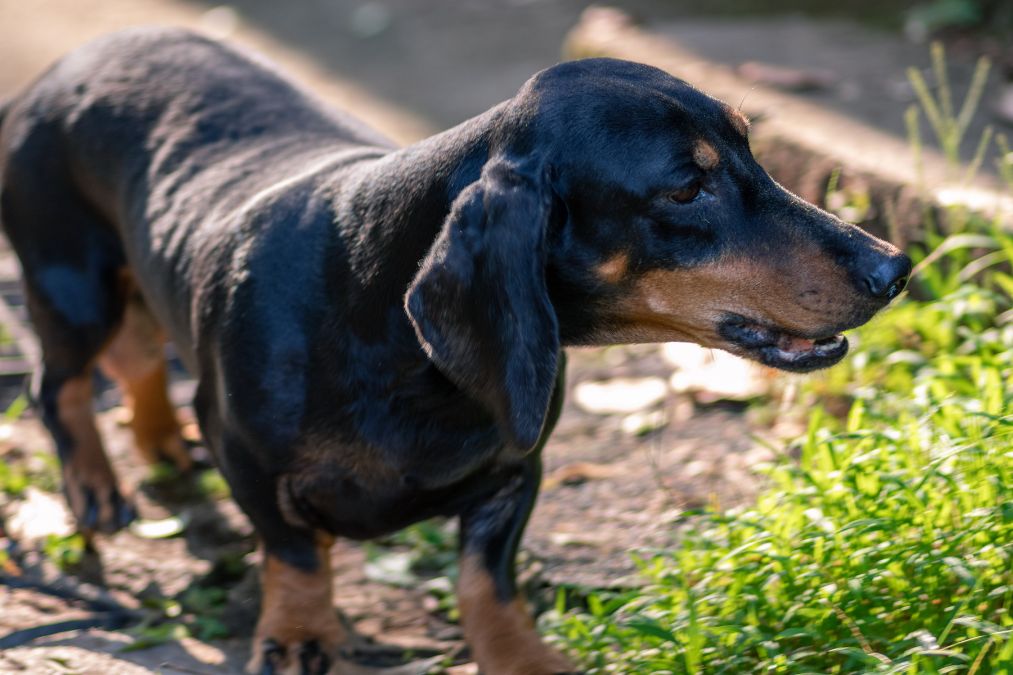
IVDD is often linked to age-related disc degeneration. Certain breeds have a genetic predisposition that increases their risk. Commonly affected breeds include Dachshunds, Beagles, French Bulldogs, Shih Tzus, Cocker Spaniels, and Pekingese.
Several factors can contribute to the development of IVDD:
1. Genetics
Some breeds inherit disc changes that occur earlier in life, making them more susceptible to spinal disc problems.
2. Excess Weight
Carrying extra weight places additional stress on the spine and may worsen disc degeneration.
3. Physical Strain
Repeated jumping, climbing, or high-impact activities can increase pressure on spinal structures.
4. Aging
As dogs age, spinal discs naturally lose flexibility and become more prone to injury.
Common Symptoms of IVDD in Dogs
Recognizing IVDD symptoms early can improve treatment success. Signs often depend on the location and severity of spinal cord compression.
Common symptoms include:
- Neck or back pain
- Reluctance to jump or climb stairs
- Stiff posture
- Muscle weakness
- Unsteady walking
- Dragging limbs
- Trembling or shaking
- Difficulty standing
- Loss of coordination
- Reduced activity levels
- Urinary or bowel control issues
- Paralysis in severe cases
Any sudden loss of mobility should be treated as a medical emergency.
How Is IVDD Diagnosed?
A thorough examination helps determine whether IVDD may be affecting your dog. During the evaluation, your veterinarian will assess spinal pain, reflexes, muscle strength, and neurological function.
Diagnostic testing may include:
1. X-Rays
Radiographs help evaluate the spine and identify structural abnormalities.
2. Advanced Imaging
MRI or CT scans provide detailed images of the spinal cord and discs. These tests help identify the exact location and severity of disc damage.
3. Neurological Assessment
A neurological examination helps determine the extent of nerve involvement and guides treatment recommendations.
Routine health screenings, including regular pet wellness exams, can help identify mobility concerns before they become more serious.
Treatment Options for IVDD
Treatment depends on the severity of symptoms and the degree of spinal cord compression.
1. Conservative Management
Dogs with mild symptoms may improve with non-surgical treatment.
Conservative care often includes:
- Strict crate rest
- Anti-inflammatory medications
- Pain management
- Controlled rehabilitation exercises
- Weight management
Many dogs respond well when treatment begins early, and activity restrictions are followed carefully.
2. Surgical Treatment
Surgery is often recommended for dogs with severe pain, significant neurological deficits, or paralysis.
The goal of surgery is to remove pressure from the spinal cord and prevent further damage. Early intervention generally offers the best chance for recovery.
Recovery and Rehabilitation
Recovery time varies depending on the severity of the condition and the chosen treatment plan. Some dogs recover within weeks, while others require several months of rehabilitation.
Important aspects of recovery include:
1. Activity Restriction
Limiting movement allows injured tissues to heal properly.
2. Physical Rehabilitation
Therapeutic exercises can help rebuild strength, improve balance, and restore mobility.
3. Home Modifications
Ramps, non-slip flooring, and supportive bedding can make recovery safer and more comfortable.
Consistent follow-up evaluations help track progress and adjust treatment as needed.
Can IVDD Be Prevented?
Not every case of IVDD can be prevented. Several lifestyle strategies may reduce risk and support spinal health.
Helpful prevention measures include:
- Maintaining a healthy weight
- Using ramps instead of stairs when possible
- Avoiding excessive jumping
- Providing regular low-impact exercise
- Using supportive harnesses
- Scheduling routine health assessments
These steps may help reduce spinal stress and support long-term mobility.
When Should You Seek Professional Care?
Prompt evaluation is important whenever your dog shows signs of back pain, weakness, or coordination problems. Waiting too long can increase the risk of permanent nerve damage.
Immediate attention is recommended if your dog:
- Cannot stand or walk
- Cries out in pain
- Experiences sudden paralysis
- Loses bladder control
- Shows rapidly worsening symptoms
Early diagnosis often leads to better treatment outcomes and a greater chance of regaining mobility.
Helping Dogs Live Well After IVDD
Many dogs diagnosed with IVDD continue to enjoy active and fulfilling lives. Successful management depends on early intervention, appropriate treatment, rehabilitation, and ongoing monitoring. Staying attentive to changes in movement, posture, or comfort levels can help you address problems before they become more severe. Working closely with your veterinary team and following recovery recommendations gives your dog the best opportunity for long-term comfort, mobility, and quality of life.
Conclusion:
If your dog is showing signs of back pain, weakness, or mobility changes, don’t wait for symptoms to worsen. For pet owners in Charlotte, our team is here to provide compassionate care, advanced diagnostics, and personalized treatment options. Contact us today to book an appointment and help your dog stay comfortable, active, and healthy.
Frequently Asked Questions(FAQs):
1. What are the first signs of IVDD in dogs?
A: Early signs often include back pain, reluctance to jump, stiffness, decreased activity, trembling, or difficulty climbing stairs. Some dogs may appear uncomfortable before showing noticeable mobility problems.
2. Can a dog recover from IVDD without surgery?
A: Dogs with mild to moderate IVDD may recover through strict rest, medications, and rehabilitation. Recovery depends on the severity of spinal cord compression and how quickly treatment begins.
3. Which dog breeds are most likely to develop IVDD?
A: Dachshunds, French Bulldogs, Beagles, Shih Tzus, Cocker Spaniels, and Pekingese are among the breeds most commonly affected due to inherited disc degeneration.
4. Is IVDD painful for dogs?
A: Yes. IVDD can cause significant neck or back pain. Some dogs may yelp, tremble, avoid movement, or display changes in behavior because of discomfort.
5. How long does IVDD recovery take?
A: Recovery varies widely. Mild cases may improve within several weeks, while surgical patients often require several months of rehabilitation and monitoring.
6. Can IVDD come back after treatment?
A: Yes. Dogs that have experienced IVDD may develop future disc problems. Maintaining a healthy weight, limiting spinal strain, and following preventive recommendations can help reduce recurrence risk.