New To IVC? Enjoy One $23 Intro Exam!*

Keeping Pets Cool: Summer Heat Safety Guide for Dogs and Cats
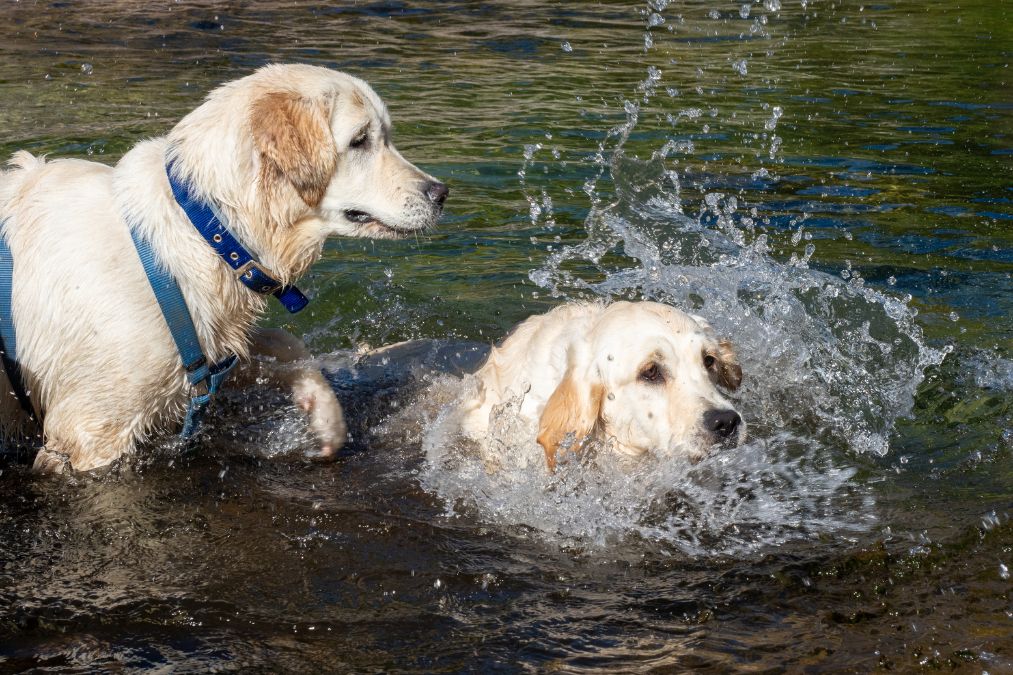
Hot weather can quickly become dangerous for pets if proper care is not taken. This guide explains how heat affects dogs and cats, how to recognize early warning signs, and what simple steps you can take to keep them comfortable and safe.
You will learn about hydration, safe outdoor routines, cooling techniques, and when to seek help. These summer safety tips for pets are designed to help families create a safer environment and avoid preventable risks. Pet owners in Charlotte often experience long, humid summers, making heat protection especially important for daily pet care.
Why Summer Heat Is Risky for Pets
Dogs and cats regulate body temperature differently from humans. They rely on panting and limited sweating, which makes it harder to cool down quickly. High humidity levels reduce the effectiveness of panting, increasing the risk of overheating.
Pets with thick coats, flat faces, or existing health issues face higher risks. Puppies, kittens, and senior pets are also more sensitive to heat. Even short outdoor exposure without shade or water can lead to discomfort or serious health concerns.
Signs Your Pet May Be Overheating
Recognizing early symptoms can prevent serious complications. Watch for these warning signs:
1. Common Symptoms
- Excessive panting or drooling
- Lethargy or weakness
- Red or pale gums
- Vomiting or diarrhea
- Rapid heartbeat
2. Severe Symptoms
- Collapse or inability to stand
- Confusion or disorientation
- Seizures
If these signs appear, immediate action is necessary. Move your pet to a cooler space and offer water. Contact a veterinarian near you if symptoms persist or worsen.
Keeping Your Pet Cool at Home
1. Create a Cool Environment
Ensure your home has shaded, ventilated areas. Use fans or air conditioning during peak heat hours. Keep curtains closed to reduce indoor temperatures.
2. Provide Constant Fresh Water
Hydration is essential. Place multiple water bowls around your home. Add ice cubes occasionally to keep the water cool and refreshing.
3. Use Cooling Surfaces
Cooling mats, damp towels, or tiled floors can help pets regulate body temperature. Avoid overly cold surfaces, as sudden temperature changes may cause discomfort.
Safe Outdoor Practices
1. Walk During Cooler Hours
Schedule walks early in the morning or later in the evening. Pavement can become extremely hot during the day and may burn your pet’s paws.
2. Test the Ground
Place your hand on the pavement for a few seconds. If it feels too hot for you, it is unsafe for your pet.
3. Provide Shade and Breaks
If outdoor time is necessary, ensure shaded areas are available. Limit activity and allow frequent rest breaks.
Grooming and Coat Care
Regular grooming helps maintain a healthy coat, which acts as natural insulation. Avoid shaving pets completely, as fur protects against sun exposure. Brushing removes excess hair and improves airflow to the skin.
Travel Safety During Summer
Never leave pets inside a parked vehicle. Temperatures inside cars rise rapidly, even with windows slightly open. This can lead to life-threatening conditions within minutes.
When traveling, bring water, portable bowls, and plan for shaded stops. Keep the car well-ventilated and comfortable throughout the journey.
Fun Ways to Keep Pets Cool
Keeping pets entertained indoors can reduce heat exposure while maintaining activity levels.
- Offer frozen treats made from pet-safe ingredients
- Use puzzle toys to encourage mental stimulation
- Set up a shallow splash area for supervised play
- Rotate toys to keep engagement high
These activities help maintain a balanced routine without risking heat-related stress.
Nutrition and Hydration Tips
Feeding lighter meals during hot days can support better digestion. Avoid overfeeding, as heavy meals may increase body heat. Fresh water intake should always be encouraged.
Some pets benefit from moisture-rich foods during the summer months. Always introduce dietary changes gradually and monitor your pet’s response.
When to Seek Professional Help
If your pet shows signs of severe overheating or does not recover after cooling efforts, professional care is necessary. Early intervention can prevent complications and support faster recovery.
Local Considerations for Pet Owners
Charlotte summers bring high humidity and extended warm periods. Local parks and walking trails can become unsafe during midday. Planning activities around weather conditions helps reduce risks.
Urban environments often retain heat longer, making evenings warmer than expected. Pet owners should adjust routines based on daily temperature changes and avoid peak heat hours whenever possible.
Conclusion
Keeping pets safe during summer requires awareness, preparation, and consistent care. Simple steps like providing water, limiting outdoor exposure, and monitoring behavior can make a significant difference. These summer safety tips for pets support healthier routines and reduce the risk of heat-related issues.
If your pet shows unusual symptoms or discomfort, do not delay care. Book an appointment to ensure your pet receives timely attention and stays protected throughout the season. Reach out to our Charlotte facility at 2328 Crownpoint Executive Dr, Suite B, Charlotte, NC 28227—where compassionate care and community come together for your pet’s well-being.
Frequently Asked Questions(FAQs):
1. How can I tell if my pet is too hot?
A: Pets may pant excessively, drool, or seem tired when overheated. Watch for unusual behavior like weakness or vomiting. Early signs should never be ignored, as they can quickly progress into serious conditions if not addressed promptly.
2. Is it safe to walk my dog during the day?
A: Daytime walks can be risky during summer due to hot surfaces and high temperatures. Early morning or late evening walks are safer. Always check pavement temperature and carry water to keep your dog hydrated.
3. Can fans keep pets cool?
A: Fans can help improve airflow, but they may not be enough during extreme heat. Combining fans with shaded spaces, hydration, and cooling mats provides better temperature control and keeps pets more comfortable indoors.
4. Should I shave my pet’s fur in summer?
A: Shaving is not always recommended. A pet’s coat protects against sunburn and heat. Regular grooming and brushing are better options for maintaining comfort and allowing proper air circulation through the fur.
5. What should I do if my pet overheats?
A: Move your pet to a cool area immediately and offer water. Use damp towels to lower body temperature gradually. Seek professional care if symptoms persist or worsen, as overheating can become life-threatening quickly.
6. How much water should pets drink in summer?
A: Water needs vary based on size and activity level. Pets should have constant access to fresh, clean water. Increased panting and heat exposure often require higher intake to maintain proper hydration and overall health.
Related Articles

By Independence Veterinary Clinic