New To IVC? Enjoy One $23 Intro Exam!*

Recovery after surgery or an injury can feel stressful for both dogs and their owners. Many pets struggle with stiffness, weakness, balance problems, or reduced movement during healing. Underwater treadmill therapy offers a gentle form of rehabilitation that supports muscle strength, joint movement, and confidence without placing heavy pressure on the body.
This blog explains how underwater treadmill therapy works, signs that may show your dog could benefit from treatment, what happens during a session, and how recovery goals are measured over time. You will also learn which conditions respond well to aquatic rehabilitation and how pet owners can support progress at home in Charlotte.
What Is Underwater Treadmill Therapy?
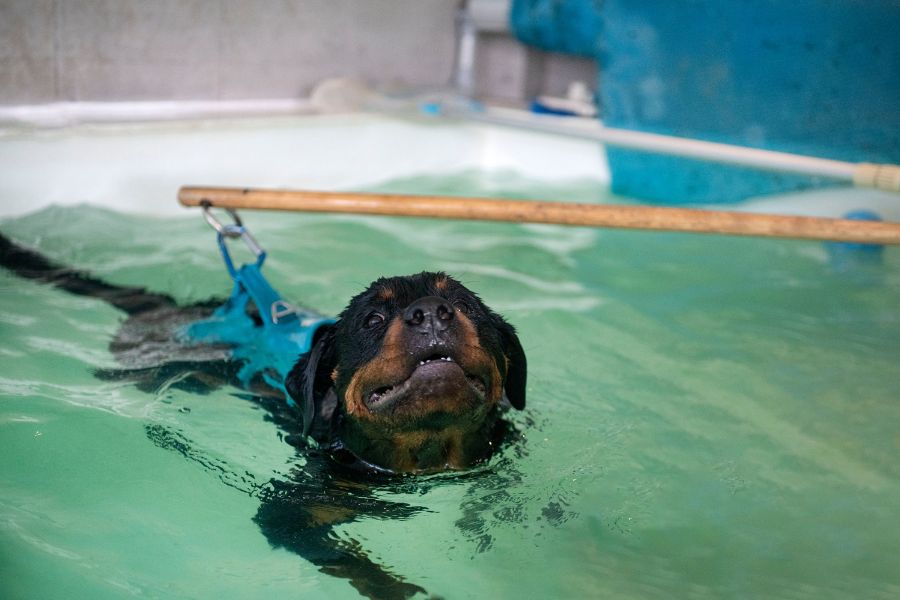
Underwater treadmill therapy is a controlled exercise program that takes place inside a clear water chamber with a moving treadmill floor. The water level is adjusted based on the dog’s size, injury, and comfort level. Water supports body weight and reduces stress on sore joints and healing tissues.
Dogs walk at a slow pace while trained rehabilitation professionals monitor movement and comfort. Sessions are designed to improve flexibility, balance, endurance, and muscle development. Many dogs find the warm water calming, which helps nervous pets relax during recovery.
Signs Your Dog May Be a Good Candidate
Every dog heals differently after surgery or injury. Some pets recover with rest and medication alone. Others need guided movement to rebuild strength safely.
1. Difficulty Walking After Surgery
Dogs recovering from orthopedic procedures often avoid placing weight on the affected limb. Limping, slow walking, and poor balance may continue for weeks without structured therapy. Underwater treadmill therapy allows movement with less strain on healing areas.
2. Loss of Muscle Strength
Extended rest periods can lead to muscle loss. Weakness in the legs may affect standing, climbing stairs, or getting into the car. Water resistance encourages gentle muscle activation during exercise.
3. Joint Stiffness and Reduced Mobility
Stiff joints can make daily activities uncomfortable. Dogs with hip injuries, knee surgery, or spinal conditions may benefit from low-impact rehabilitation that supports smoother movement patterns.
4. Fear of Normal Exercise
Some dogs become anxious after an injury. They may avoid walks or pull away from activity because movement feels uncomfortable. Controlled aquatic therapy sessions help rebuild confidence in a calm environment.
Conditions That Often Benefit From Aquatic Rehabilitation
Underwater treadmill therapy is commonly recommended for dogs recovering from ACL surgery, hip surgery, fractures, spinal injuries, arthritis flare-ups, and soft tissue injuries. Senior dogs with mobility concerns may also benefit from supervised water exercise.
Large breeds often respond well because water reduces pressure on heavy joints. Active dogs returning to sports or outdoor activities may use rehabilitation care to improve endurance and coordination before resuming regular exercise.
What Happens During a Therapy Session?
Most sessions begin with a physical assessment and a review of recovery goals. The rehabilitation team observes posture, gait, flexibility, and comfort level before exercise begins.
Dogs enter the treadmill chamber slowly. Water is added gradually to create support around the body. The treadmill speed remains slow during early sessions. Staff members stay close to guide movement and watch for signs of stress or fatigue.
Session length depends on the dog’s condition and energy level. Some dogs begin with only a few minutes of walking before building endurance over several visits. Progress is tracked carefully to prevent overexertion.
How Pet Owners Can Support Recovery
Home care plays a major role in rehabilitation success. Pet owners should follow exercise instructions closely and avoid activities that may strain healing tissues. Slippery floors, rough play, and jumping on furniture can slow recovery.
Short leash walks, healthy weight management, and proper rest schedules support progress between therapy visits. Owners should also watch for swelling, soreness, or changes in mood after exercise sessions.
Clear communication with the rehabilitation team helps adjust treatment plans as recovery improves.
When to Schedule Rehabilitation for Your Dog
Recovery support should begin before stiffness and weakness become long-term problems. Dogs that receive guided rehabilitation often regain confidence and mobility more comfortably than pets left inactive for extended periods. A structured recovery plan also helps owners understand safe activity levels during healing.
At Independence Veterinary Clinic, we provide customized underwater treadmill therapy programs designed around your dog’s recovery needs, comfort level, and long-term mobility goals. Book an appointment with our rehabilitation team today to learn whether aquatic therapy may help your dog recover after surgery or injury.
What should I bring to my dog’s rehabilitation appointment?
Bring your dog’s medical records, current medications, a leash, and favorite treats for encouragement during therapy. Dry towels and comfort items may help nervous pets feel more relaxed. Feeding a large meal right before treatment is usually discouraged.
At Independence Veterinary Clinic, we create personalized rehabilitation plans that focus on comfort, mobility, and recovery goals for every patient. If you’re located in Charlotte, then reach out to our facility, where compassionate care and community come together for your pet’s well-being. Serving nearby areas like Matthews, Indian Trail, Mint Hill, Monroe, Weddington, and Waxhaw in a caring environment for pets.
Frequently Asked Questions(FAQs):
Q1. How soon can my dog start underwater treadmill therapy after surgery?
A: Many dogs can begin therapy once the surgical site has healed and the veterinarian approves light exercise. Timing depends on the procedure, recovery progress, and overall health. Early rehabilitation often supports better mobility, comfort, and muscle maintenance during healing.
Q2. Is underwater treadmill therapy safe for older dogs?
A: Yes, senior dogs tolerate aquatic rehabilitation well because water reduces pressure on painful joints. Controlled movement can improve flexibility, balance, and strength. Sessions are adjusted carefully based on stamina, mobility limits, and existing medical conditions.
Q3. Will my dog be forced to swim during treatment?
A: No, underwater treadmill therapy focuses on walking in shallow water inside a secure chamber. Dogs remain supported while moving at a comfortable pace. Rehabilitation staff monitor behavior closely and adjust the session if a dog appears nervous or tired.
Q4. How many therapy sessions does a dog usually need?
A: The number of sessions depends on the injury, surgery type, and recovery goals. Some dogs improve within a few visits, while others need longer rehabilitation plans. Progress evaluations help determine whether treatment frequency should change over time.
Q5. Can underwater treadmill therapy help dogs with arthritis?
A: Many dogs with arthritis benefit from water-based exercise because it supports movement without heavy impact on sore joints. Gentle walking in warm water may improve flexibility, comfort, muscle tone, and daily mobility for aging pets with stiffness.