New To IVC? Enjoy One $23 Intro Exam!*

Supporting Your Cat’s Mental Health: Simple Ways to Keep Your Feline Happy
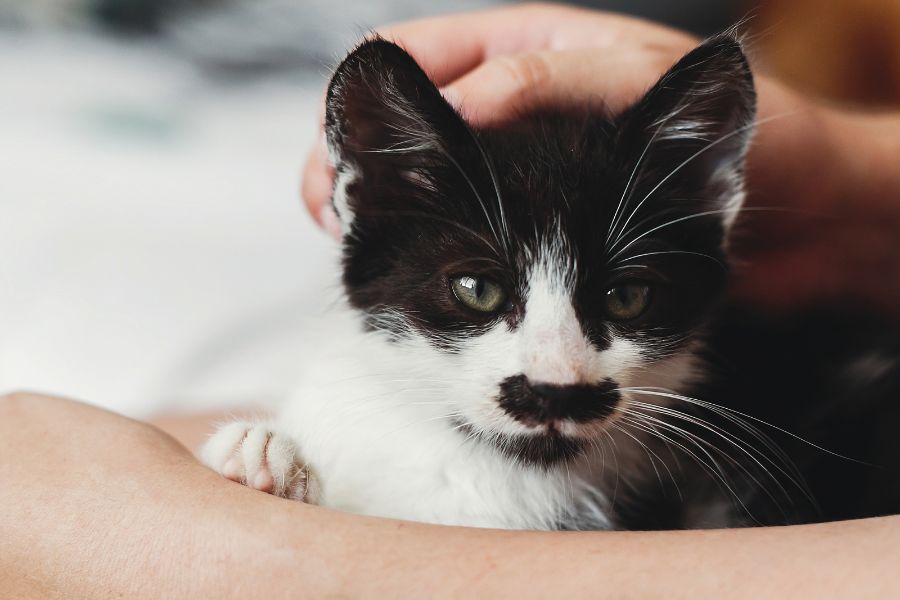
Any cat owner can attest to how much joy a feline companion brings into daily life. From comforting purrs to playful antics, cats significantly enhance our emotional well-being. Because they give us so much happiness, it’s just as important to ensure they feel safe, content, and mentally fulfilled.
Feline mental health plays a vital role in building a strong, trusting, and loving bond with your cat. By understanding your cat’s emotional needs and taking intentional steps to support them, you can help your furry friend maintain a healthy and balanced state of mind.
Why Feline Mental Health Matters
A cat’s mental well-being directly affects its behavior, physical health, and overall quality of life. Stress, boredom, or anxiety can lead to issues such as destructive behavior, withdrawal, or changes in appetite. Creating an enriching environment and maintaining consistent routines can help your cat feel secure and emotionally balanced.
Ways to Support Your Cat’s Mental Well-Being
1. Give as Much Love as You Receive
Affection is a powerful stress reliever for both humans and cats. Studies show that interacting with cats can reduce human stress levels—and cats benefit just as much from gentle, positive attention. When your cat seeks affection, offer calm petting, chin scratches, or cuddles in their favorite spots. Never force interaction, but consistent, loving contact reassures your cat that they are safe, valued, and loved.
2. Encourage Daily Movement and Play
Just like humans feel refreshed after exercise, cats also experience mental and physical benefits from regular activity. Playtime helps maintain a healthy weight, stimulates the brain, and releases pent-up energy that might otherwise lead to stress or unwanted behaviors. Set aside time each day for interactive play using toys your cat enjoys, such as feather wands or laser pointers.
3. Provide Appropriate Scratching Outlets
Scratching is a natural and necessary behavior for cats. It helps them stretch, remove old claw layers, and relieve stress. Rather than discouraging scratching altogether, provide suitable options like scratching posts or pads. Placing them in areas your cat frequents encourages regular use and protects your furniture at the same time.
4. Incorporate Problem-Solving and Enrichment Activities
Cats are intelligent creatures that thrive when their minds are engaged. Interactive toys, puzzle feeders, and food mazes offer mental stimulation while rewarding your cat with treats or kibble. For an extra challenge, consider teaching simple commands or tricks using positive reinforcement. These activities help prevent boredom and strengthen the bond between you and your cat.
5. Feed a Nutritious, Well-Balanced Diet
A healthy diet supports both physical and mental well-being. Poor nutrition can lead to low energy, digestive problems, and behavioral changes. Feeding your cat a complete and balanced diet rich in essential vitamins, minerals, and antioxidants is crucial for long-term health. While occasional enrichment treats like catnip (the most fascinating herb) can be enjoyable for many cats, they should never replace proper nutrition. If you’re unsure about the best diet for your cat, your veterinarian can provide personalized guidance.
Conclusion
Maintaining your cat’s mental health doesn’t require drastic changes—just thoughtful, consistent care. By offering affection, encouraging play, providing enrichment, supporting natural behaviors, and feeding a balanced diet, you create an environment where your cat can thrive emotionally and physically. A mentally healthy cat is more relaxed, confident, and better equipped to share a long, happy life with you.
Frequently Asked Questions
1. Why is mental stimulation important for cats?
Mental stimulation prevents boredom, reduces stress, and helps avoid destructive behaviors by keeping your cat’s mind active and engaged.
2. How much playtime does my cat need each day?
Most cats benefit from at least 15–30 minutes of interactive play daily, ideally broken into shorter sessions.
3. Can indoor cats develop mental health issues?
Yes, indoor cats can become bored or anxious without proper enrichment. Toys, climbing spaces, and interactive play are especially important for them.
4. Is scratching really necessary for cats?
Absolutely. Scratching helps cats maintain claw health, stretch muscles, and relieve stress. Providing proper scratching surfaces is essential.
5. Does diet affect my cat’s mood and behavior?
Yes. A poor-quality or unbalanced diet can negatively impact energy levels, digestion, and overall behavior. Proper nutrition supports both body and mind.
6. When should I consult a veterinarian about my cat’s behavior?
If you notice sudden changes in behavior, appetite, or activity level, it’s best to consult your veterinarian to rule out medical or emotional concerns.